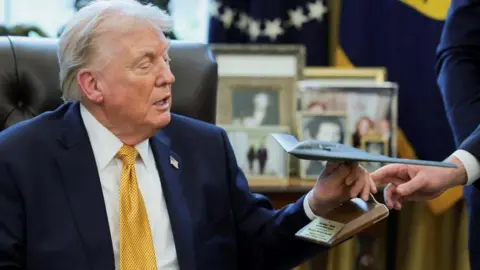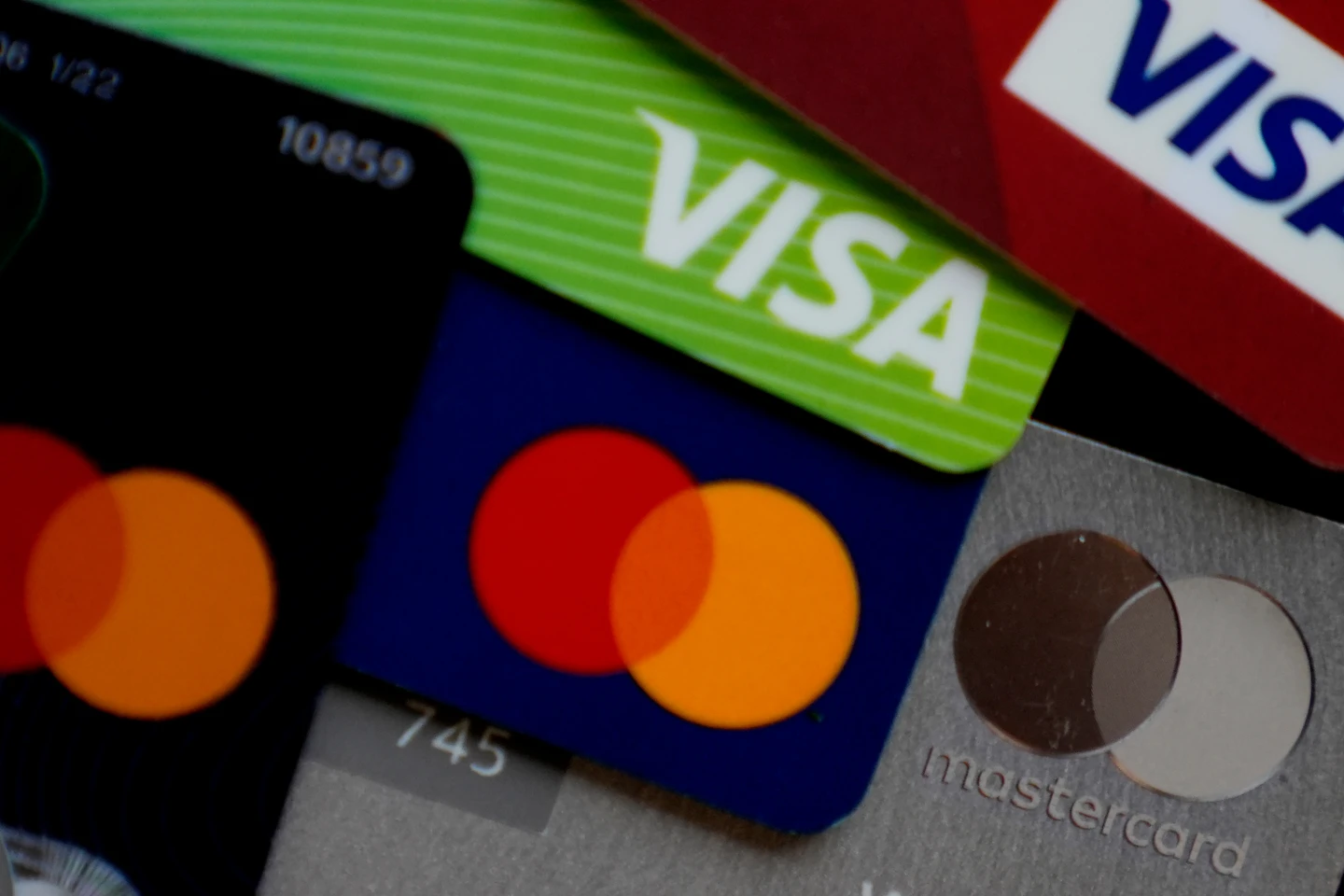
NEW YORK (AP) — Reviving a campaign pledge, President Donald Trump wants a one-year, 10% cap on credit card interest rates, a move that could save Americans tens of billions of dollars but drew immediate opposition from an industry that has been in his corner.
Trump was not clear in his social media post whether a cap might take effect through executive action or legislation. However, one Republican senator claimed he had spoken with the president and would work on a bill with his full support. Trump expressed hopes to have the cap in place by January 20, one year after he took office.
Strong opposition is expected from Wall Street and the credit card companies, which heavily funded his 2024 campaign and support his second-term agenda.
“We will no longer let the American Public be ripped off by Credit Card Companies that are charging Interest Rates of 20 to 30%,” Trump wrote on his Truth Social platform.
Researchers who studied Trump’s original campaign proposal estimated that Americans would save around $100 billion in interest per year with a capped interest rate of 10%. They noted that while the credit card sector would face significant losses, it could still operate profitably, albeit potentially at the cost of rewards and perks for consumers.
Currently, Americans face average interest rates between 19.65% to 21.5% on their credit cards, according to the Federal Reserve. Though this has seen a decline owing to recent cuts in the central bank's benchmark rates, it remains close to historical highs.
The Republican administration has been seen as generally favorable to credit card companies. Capital One faced minimal resistance from the White House when it successfully finalized its merger with Discover Financial in early 2025, creating the nation’s largest credit card provider. Meanwhile, the Consumer Financial Protection Bureau has largely remained inactive under Trump’s tenure.
In a joint statement, the banking industry expressed its dissent toward Trump’s legislative proposal. They argued, “If enacted, this cap would only drive consumers toward less regulated, more costly alternatives.”
The White House has not commented on how the president plans to implement this rate cap or whether there has been any dialogue with credit card companies regarding his intentions. Senator Roger Marshall from Kansas, who claims to have communicated with Trump recently, emphasized that the goal is to “lower costs for American families and to rein in greedy credit card companies.”
Several legislative efforts are underway in Congress aiming to realize Trump’s vision. Additionally, a plan released earlier this year by Senators Bernie Sanders and Josh Hawley proposed an immediate 10% cap on interest rates for a period of five years.
Sanders voiced criticism of Trump’s administration, indicating that, instead of capping rates, the president has facilitated deregulation measures that have allowed banks to impose much higher fees.
Congressional representatives Alexandria Ocasio-Cortez and Anna Paulina Luna have also tabled related legislative proposals, with Ocasio-Cortez often becoming a target for Trump's criticisms, while Luna enjoys a closer relationship with him.
___
Seung Min Kim reported from West Palm Beach, Fla.