In brief
On Sunday evening, Bollywood actor Tiger Shroff was targeted while leaving a football match in Mumbai’s affluent Juhu neighbourhood. The attack injured his driver and a nearby vlogger, sparking fresh speculation that the notorious gangster Lawrence Bishnoi’s network may be involved. Police have arrested ten suspects and are probing a chain of weapon deliveries that crossed state borders. The incident has resurrected memories of the 1990s‑2000s era when Mumbai’s underworld heavily influenced the film industry, prompting questions about whether today’s criminal groups are regaining power. Experts caution that while the old Mafia’s grip has lessened, new technology‑savvy organised crime poses a subtler threat, capable of spreading fear through swift online propaganda.
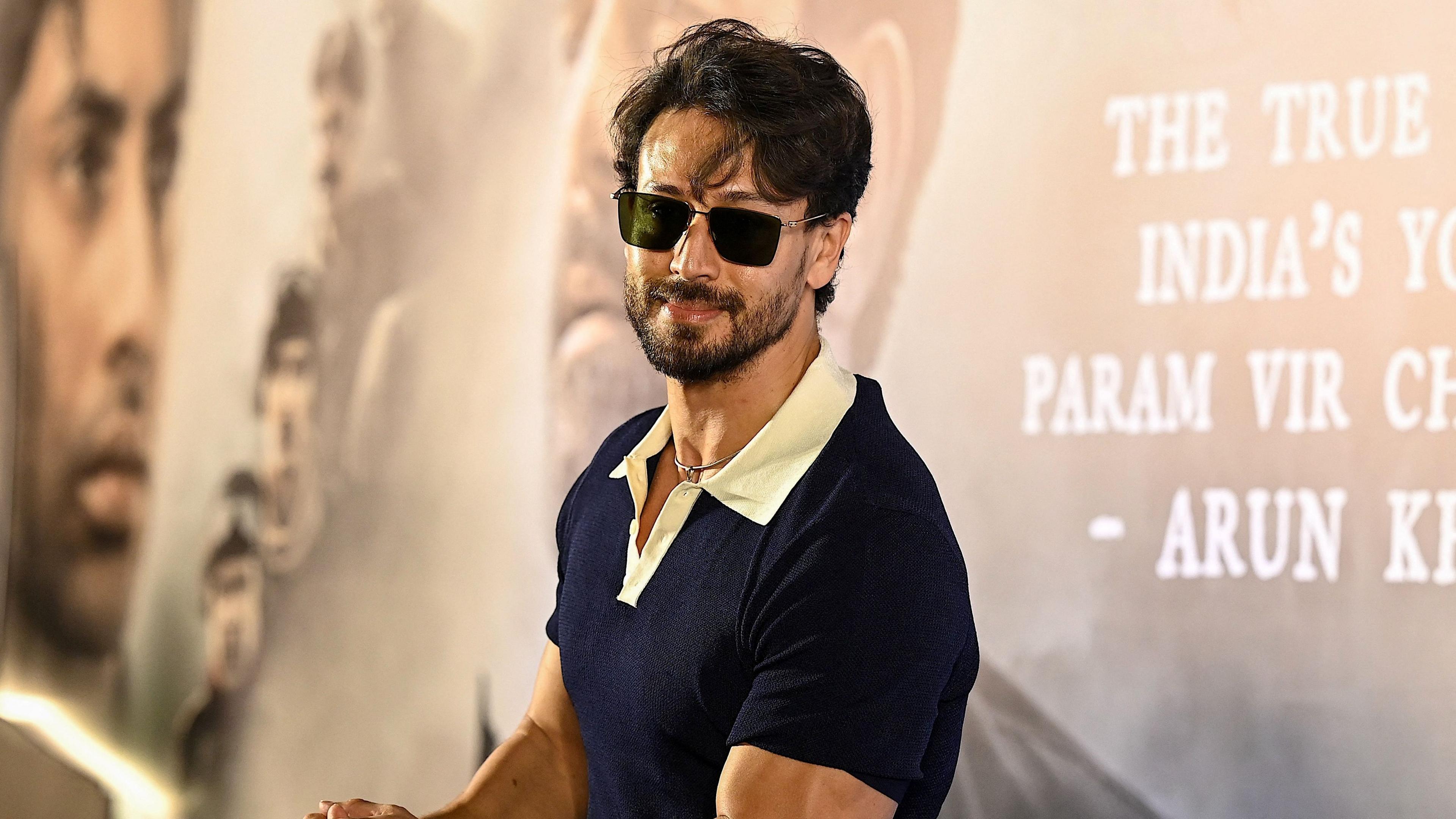
On Sunday night, Bollywood actor Tiger Shroff was leaving a football match in the upscale Juhu area of Mumbai when gunfire erupted. The actor’s driver received a wound, and a local vlogger who was filming the scene was also injured.
Shroff, who first appeared in film in 2014, is best known for his high‑energy action roles. He had only recently survived a previous shooting attempt linked to his alleged connections with star Salman Khan.
Investigation into the latest attack has already led to the arrest of ten suspects. Police are following a trail of weapon deliveries that spanned several Indian states and the payments that allegedly financed the attackers. However, the case is still mired in mystery.
The thinking that surfaced soon after the shooting was that the notorious gangster Lawrence Bishnoi might have orchestrated the attack. A post claimed by a supposed associate of the Bishnoi clan and an audio clip from a man named Anil Pandit both alleged that Shroff was targeted because of his links to Khan, an individual Bishnoi has threatened for years.
Mumbai police have not confirmed these claims, and they continue to search for the true sponsor of the assault. The city has seen a string of threats and violent attacks on high‑profile cast and crew in the past year, including gunfire outside Salman Khan’s Mumbai home in 2024 and a shooting attempt on film director Rohit Shetty.
These developments resurrect memories of the 1990s and early 2000s, when the Mumbai underworld wielded significant influence over Bollywood, financing productions, demanding protection money and using violence to enforce its dominion. It was only after persistent police operations and a shift toward institutional financing that that control weakened.
“The grip of the old Mumbai mafia is very different from the network of criminals we see today,” says former Mumbai Crime Branch chief D Sivanandhan. “The old gangsters operated from within the city; today the new generation is dispersed and tech‑savvy, making it harder to pin them down.”
Lawrence Bishnoi, a gangster from northern India who has served time in prison for years, remains a figure of fear, with rumours that he commands gunmen across continents. He has publicly threatened Salman Khan over a 1998 poaching case involving blackbucks and was reportedly linked, by Mumbai police, to the 2024 gun attack on Khan’s Mumbai residence.
According to Rakesh Maria, a former Mumbai police commissioner, the Bishnoi gang epitomises the modern underworld’s reliance on technology and international connections. “They no longer need to reside in the city to command it,” Maria said. He added that “the old underworld was visible and territorial, but the new one is dispersed, fluid, making it harder to pin down.”
The current wave of violence has exposed a different kind of vulnerability for the film industry. Whereas the old crime syndicates once forced the industry to pay protection money, today a single shooting attempt can be amplified across millions of phone screens, spreading fear far beyond the intended victim. “A single shooting can make headlines worldwide in an instant, no longer limited to a local theatre’s backlash,” noted an unnamed security expert.
Police have increased security outside the homes of Salman Khan and director Rohit Shetty. The All Indian Cine Workers Association has called for greater protective measures, asking: “Today it is Tiger Shroff. Who is next?”
So far there is little evidence that any criminal network has regained its former influence over Bollywood’s finances or decision‑making. Nonetheless, the series of attacks underscores the persistent danger of organised crime’s street‑level intimidation tactics, which can significantly disrupt the industry’s day‑to‑day operations and create an atmosphere of unease.
As police continue to chase the clues, the scare to the film fraternity persists. Mumbai’s Old City elites, once accustomed to narrating their own stories on the silver screen, now watch the resurgence of a more sophisticated underworld that preys on the global reach of social media to spread terror without ever stepping onto a gang‑controlled underworld street.
“There is always a crack in the armour,” noted D Sivanandhan, reflecting on the limits of security measures in a city that is constantly surrounded by shadowy threats.
The threat to Bollywood may not yet be as visible as it was during the years of Dawood Ibrahim and Chhota Shakeel, but the modern gangster’s ability to wield online terror shows that the city’s film industry must adapt to new security realities. The attack on Tiger Shroff has undeniably re‑lifted the unsettling question: Is the Mumbai underworld once again seeking to control Bollywood, albeit through a different, more globalized method?