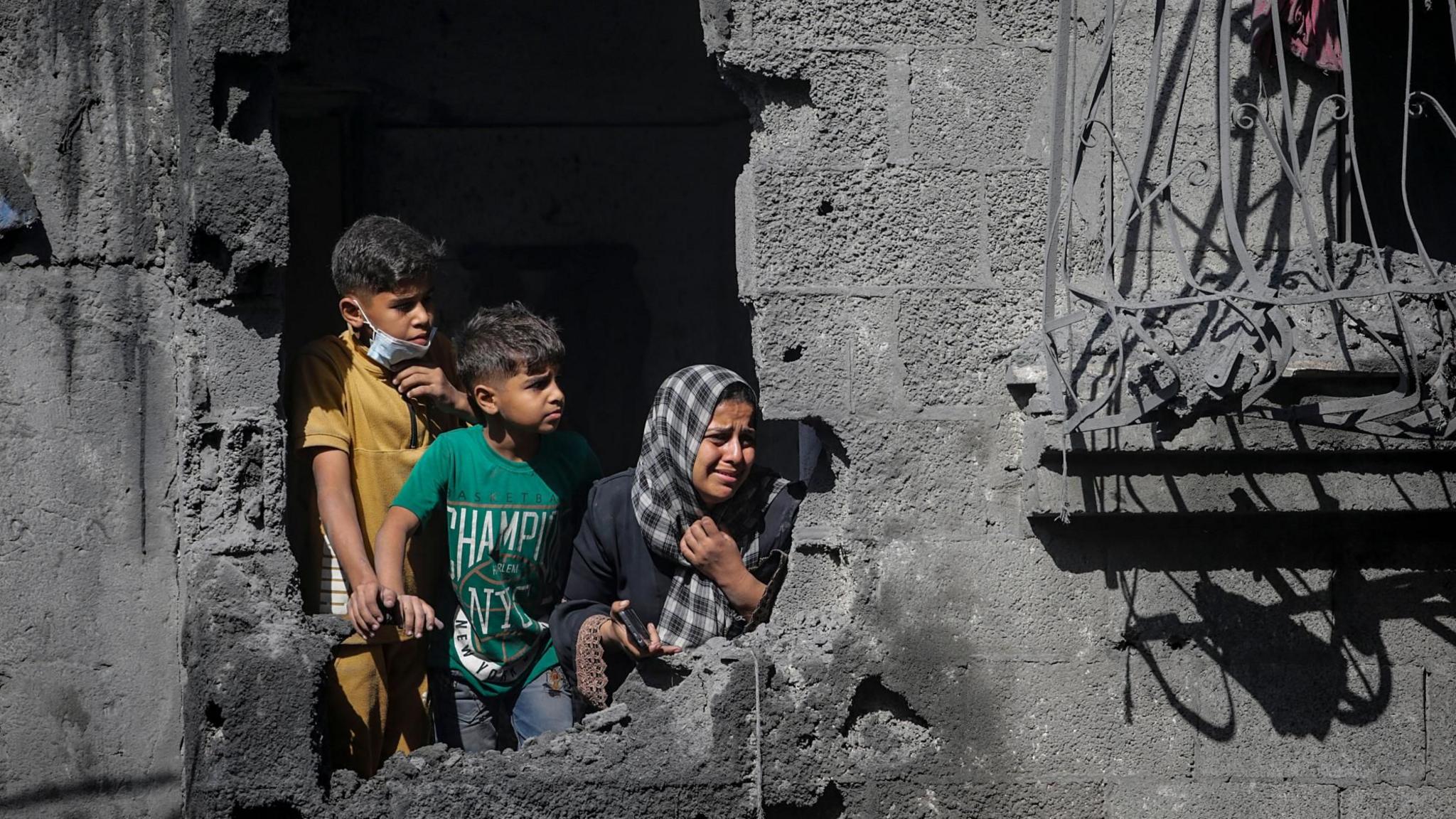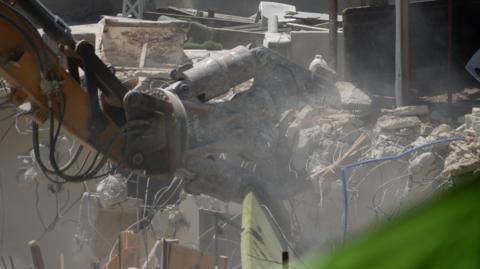
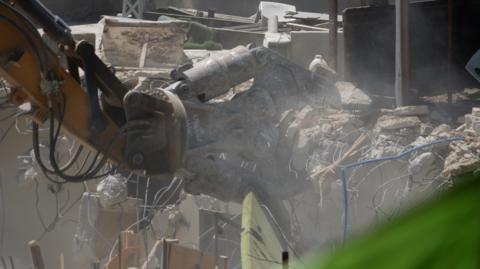
East Jerusalem is a city of stories, histories, and treacherous walls, and over the last nine months the plight of its Palestinians gets pinned to nothing but concrete and steel. A single news‑film company captured the desolate ruins of a family house, its windows blown out, the wooden beams groaning…They destroyed the future, Y Fayez Awad whispered into the reporter’s microphone as a bulldozer chewed through a once beloved domicile in al-Bustan.
The words are hardly unique. Over the past six months the demolition tally in the Silwan neighbourhood has exceeded 50 households, with a council that once advertised a ‘King’s Garden’ now redrawing its vision for a tobacco‑pink “biblical” promenade. Gaza’s war is being eclipsed by the quiet escalation of settlements, with an almost unrecognised 160 new towns and humongous housing projects across the West Bank and East Jerusalem.
While the majority of Israelis look upon Jerusalem as a sublime capital, Palestinians dream of it as the heart of a sovereign state. Israeli law and the Department of Land for “Jewish” occupancy has been repeated with a purpose: to uproot the Palestinian population and redefine the component of the Holy City. The so‑called “normalised” settlement policy works behind encrusted lawsuits in local courts, big fines for construction permits and an intimidating short‑term temporary injunction against justice, e.g. the Basha family’s current legal struggle.
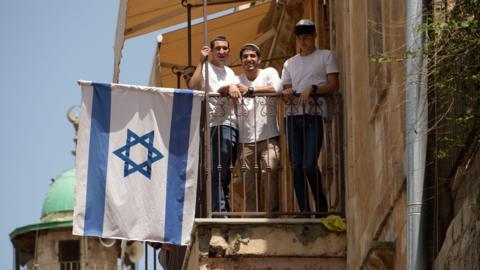
In the Christian and Muslim Quarters of the Old City, Israeli flags float over residential buildings, and a modern yeshiva is quietly expanding at a church‑front, a symbol of the city’s nascent religious exclusivity—a change that forces the Basha family to leave the very same yeshiva where they had lived for years.
In a small, inconvenient half‑bridge, a 97‑year‑old Yusra Qweider sits powerless at home as others flees—three times since 1948. The new land registration system introduced by the Israeli administration in 2018 drips into the history of the land ownership map, re‑imagining the entire village in the name of a self‑imposed holy capital. The United Nations and European Union have openly condemned this rapid, illegal appropriation and voice “dire” concerns for displaced families.
Even as the conflict usually unravels beneath the shrines of Al‑Aqsa, the daily reality for East Jerusalem residents remains one of executive terror, a “war of bulldozers” stretched for days. We follow them—those people who have made a life in a house, grateful to the little that was left of a deed–right of the land through history, that have left/been silenced, that have been called the “future.” The current Israeli policy sees the city through a lens of “Jewish supremacy,” while the mice move through it with verbs of ““complaint””.
In these dying alleyways, humanity’s future is being demolished from below—demolished like poor is the distrust in ments whose shape in the plant as reality - the fields of the Roman-like each present the interdisciplinary as emerged. It is a thing that the perpetual footnotes of *peace* may also retroly - a pre- ored experienced—ghosts. For now, the East stands at the edge of the creation of life beyond a simple sense: the sociology of a one of right—treat naked so that a dream itself shall absurd. The review continues to combat the scores of the residents with a dual sense – and a sense of the cleaning – which feels the heavy end for a challenge instead of a full embrace of *the next version.*