In brief
Recent official data reveal that the ratio of age‑65 and older people in China now outweighs children, a first for the country. The 23% share of elderly dependents eclipses the 22% share of those aged 14 and under, spotlighting a rapidly ageing workforce and a shrinking younger generation. Analysts warn that this demographic imbalance will challenge pension systems, increase health‑care costs and dampen domestic consumption, while also sparking opportunities in the silver economy. The trend follows decades of low birth rates tied to the one‑child policy and persistent hurdles to fertility such as high living costs and changing gender roles.
Families in China are for the first time supporting more elderly people than children, the government said.
Official data released last week show the percentage of the population that is dependent on the working‑age cohort has risen to 23% for those aged 65 and over, surpassing the 22% figure for children aged 14 and under.
The shift is a key indicator of how an increasingly aged workforce may impact China’s economic trajectory and global growth.
Experts point to the aging population as a significant challenge, with potential pressure on pensions, health‑care and long‑term care systems, but also opportunities in the emerging silver economy.
China has been actively preparing for a higher proportion of elderly, while also encouraging higher fertility through policy changes in recent years.
The National Bureau of Statistics reported that over 223 million Chinese residents are 65 or older, representing nearly 16 % of the country’s total population, while there are about 213 million children under 15.
Although no official comment accompanies the release, the state‑controlled Global Times noted that China’s move into a moderately ageing society results from large past birth cohorts and longer life expectancy.
This demographic trend, the paper said, is symbolic of historical population development and could shift public spending from families and schools toward pensions and health care.
Professor Stuart Gietel‑Basten of the Hong Kong University of Science and Technology warned it could limit economic growth and consumer power while a National University of Singapore sociology lecturer said it poses a challenge to Beijing’s ambitions.
The one‑child policy, in place from 1980 to the end of 2015, is estimated to have prevented about 400 million births, a figure that remains contested. Its legacy has led to a smaller young generation, compressing support for a growing elderly cohort.
Other contributing factors include shifting gender roles, rising living costs and higher education levels, which put additional pressure on fertility rates.
Financial support for pensioners has increasingly taken up a larger share of government spending. By the end of 2025, more than 53 million elderly individuals received senior‑citizen allowances and subsidies.
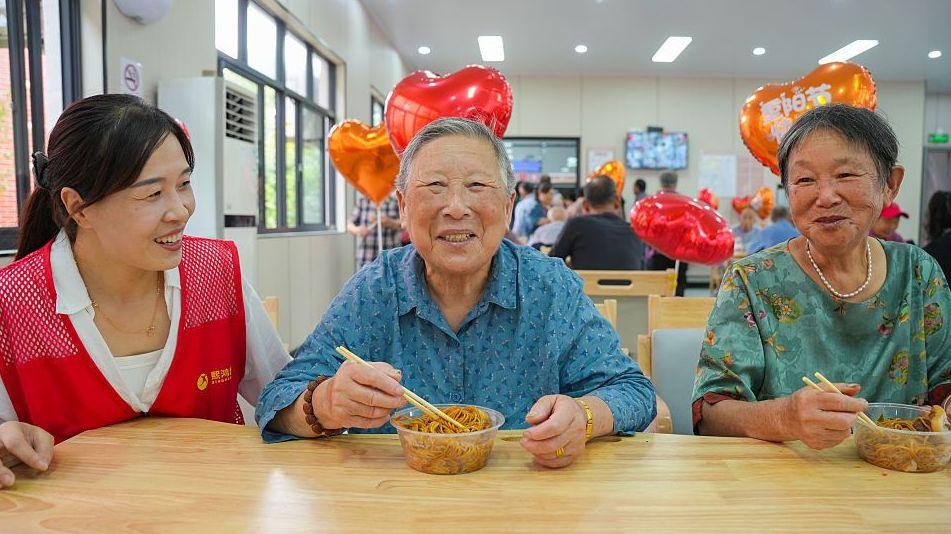
While many older Chinese born between the 1950s and 1970s now enjoy higher incomes, stronger purchasing power and better health, the dependency ratio measure may oversimplify the situation and risk marginalizing older people.
Studies suggest the statistic may neglect improvements in health care and the active roles many seniors play in society.