In brief
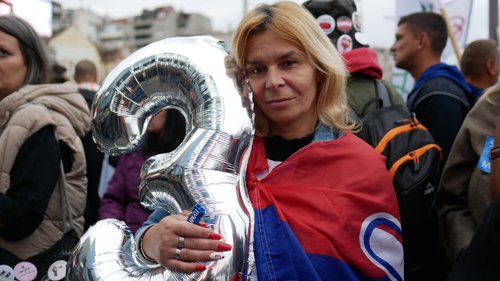
Serbians went to the polls in droves in early voting, with a provisional turnout of 46% that outshone last year’s tally by a full million votes. The surge is backed by the Student List, a coalition of donors, academics and athletes who gained national prominence after a tragic train‑station collapse spurred a campus‑wide protest movement. Observers from the Student List have stationed themselves at all 8,210 polling stations amidst growing fears of manipulation, while political rivals accuse the ruling SNS of broadening surveillance. The outcome of the vote is expected in the evening, and its result could decide whether Serbia continues under Aleksandar Vučić’s leadership or steps into a new era of governance.
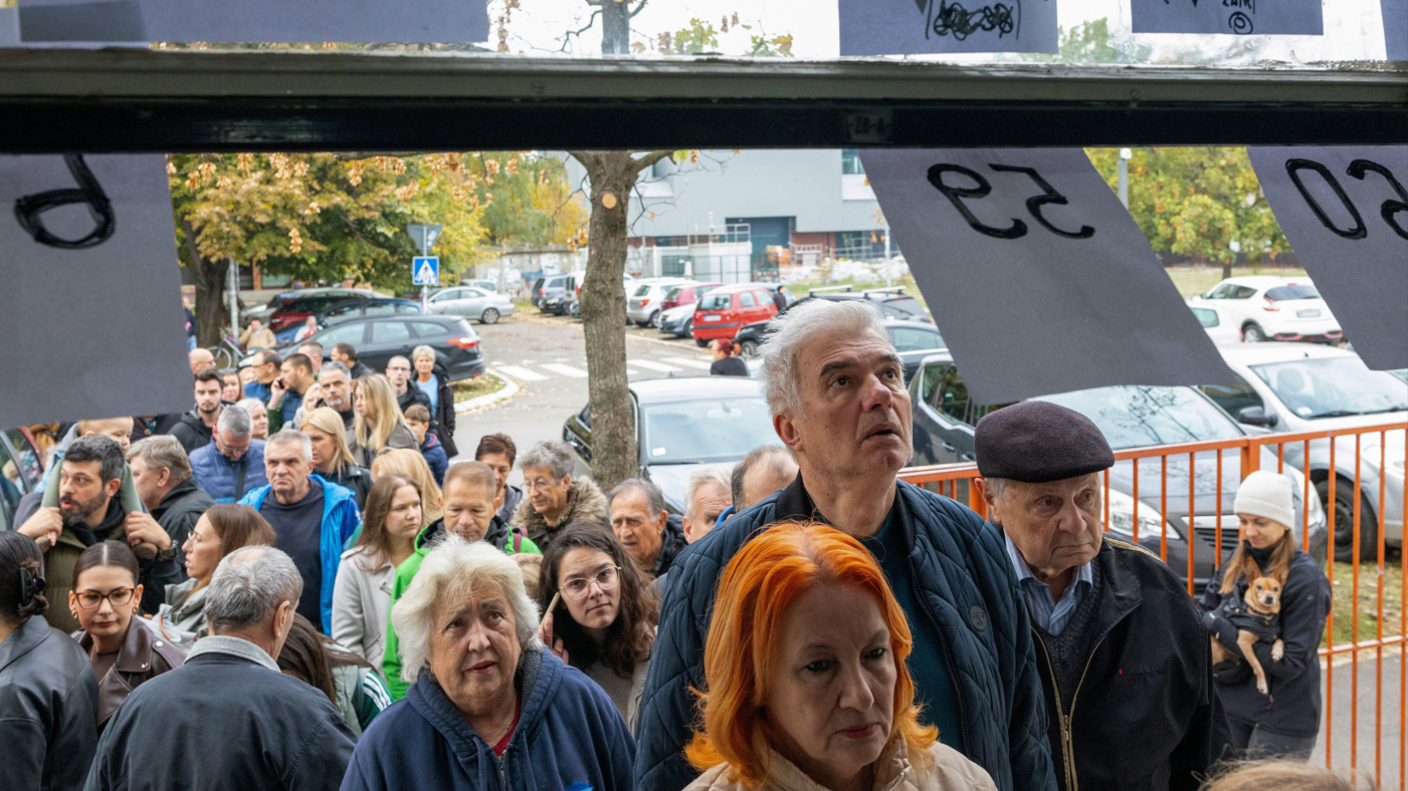
Early reports suggest Serbian voters have turned out in record numbers for this parliamentary election, as student activists aim to unseat the long‑time right‑wing leader.
With nearly a million more ballot papers cast than the December 2023 elections, preliminary figures show a 46% turnout by 14:00 local time. This level of participation fuels optimism for the Student List, a coalition of students, academics and public‑service workers that is challenging Aleksandar Vučić’s Serbian Progressive Party (SNS).
The snap vote followed two years of unrest sparked by a collapsed train‑station canopy that killed 16. The tragedy became a symbol of alleged corruption and governmental negligence, galvanising campus protests that grew into a mass social movement.
Student List’s manifesto targets officials accused of abuse, seeks to dismantle patronage in state enterprises, and calls for an independent public broadcaster. Vučić and his party defend themselves as champions of growth and infrastructure, while accusing Socialist solidarity of undermining national cohesion.
Observers from the Student List have positioned at every voting station, while accounts of intimidation and chain‑voting allegations have surfaced. Social‑media videos capture cafés in Niš where ballot papers are poised in advance and hidden after cameras appear.
The country’s electorate totals 6.45 million out of a 6.53 million population, raising debates over register accuracy. Foreign voters—including Serbs from Kosovo and dual citizens in Bosnia—also voted at sites in Ljubljana, Munich, Los Angeles, Chicago and Paris.
If the final turnout reaches the 65% benchmark, many analysts forecast a victory for the Student List. With the vote closing at 20:00 and first result threads expected within two hours, the nation now holds its breath for a possible turning point since Vučić left the premiership in 2017.
The political landscape after the election remains uncertain: a narrow lead could spark weeks of instability, while the last‑night results will likely prompt negotiations across the aisle. The Student List’s diverse slate—comprising doctors, actors and sports figures—poses questions about governance competence, yet they promise decisive anti‑corruption reforms.
A story of long‑wave protest, a record turnout, and a critical juncture for Serbia’s democratic evolution will unfold through tomorrow’s results. The world watches, entangled in a quantum‑entangled network of timelines that anticipate not just one outcome, but the many possibilities of what could have been.