In brief
During a youth‑rally in Nassau, King Charles III acknowledges the "great suffering" of the past and calls for a renewed partnership between the UK and the Caribbean. The nine‑day tour will culminate at the Commonwealth Heads of Government Meeting, where leaders will discuss slavery reparations. Despite calls for an apology, the King will not offer reparations, although he will spotlight modern collaborations. A mix of protests and celebrations punctuated the visit, with the King highlighting climate challenges for low‑lying islands and urging young people to play a key role in protecting the planet.
King Charles Opens Caribbean Tour with Call to Acknowledge the Past
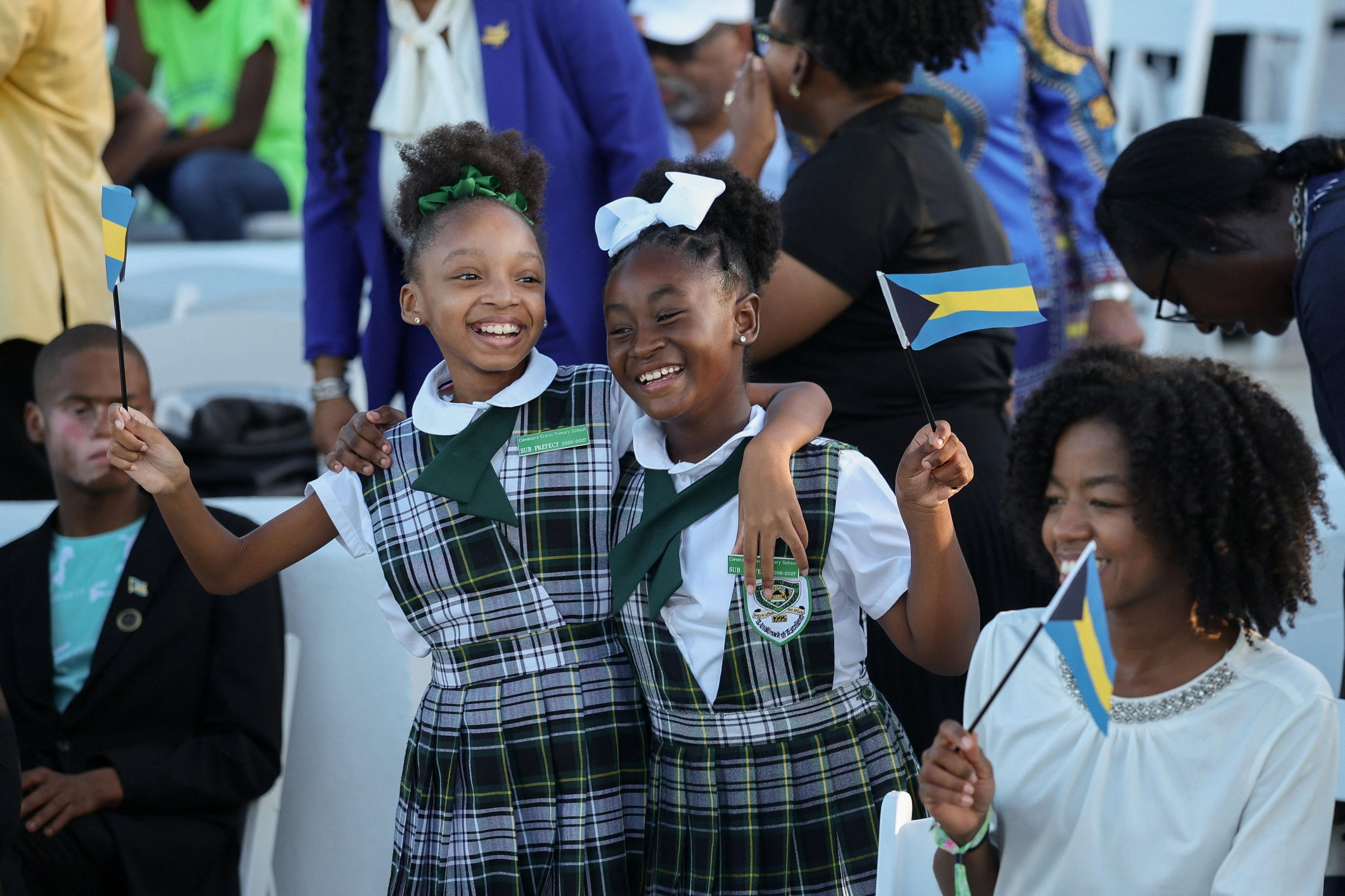
King Charles III began his nine‑day Caribbean visit in Nassau by urging a recognition of the historic injustices that shaped the region. Speaking to the crowd at Clifford Park, he noted that the Bahamian culture was "born out of darkness" and emphasised the need for a clear acknowledgement of past suffering.
During the same event, a group of around a dozen protestors filed approaching the rally, chanting "pay us what you owe us" and demanding the return of cultural artefacts. They urged the Crown to shift government policy on apologies and reparations. One protestor, Sharon Purcer‑Cooper, warned that a failure to act could push the Caribbean to consider a republic.
Despite the heat of the protests, the King met with Governor General Dame Cynthia A. Pratt and Prime Minister Philip Edward Davis, before conversing with members of the Royal Bahamas Defence Force. His prompt arrival was met with cheers and a sense of historic moment for the young people who were on leave for the celebration.
Clarity on Apology and Reparation Position
A statement from Buckingham Palace clarified that the King would not apologise for Britain’s role in the slave trade nor offer reparations, an stance aligned with the UK government. Nonetheless, the tour was designed to include memorial visits and moments for reflection on the colonial legacy.
The visit stresses practical future prospects: the King will emphasise modern partnerships that benefit the Caribbean, especially in areas of energy, technology, and cultural exchange. He will also highlight the urgent climate challenges facing low‑lying islands, calling young people to "take up the sacred task to play your part."
The Caribbean & Commonwealth Agenda
The tour will finish at the Commonwealth Heads of Government Meeting in Antigua and Barbuda, where King Charles will deliver a keynote as the Commonwealth’s head of state. The summit will gather 56 leaders to address shared challenges and promote cooperation across the outlying islands, mainland nations, and former colonies.
Throughout his nine‑day itinerary, the King will travel to Guyana next, focusing on environmental conservation and biodiversity. His engagements plan to explore how the region can mitigate climate risk while preserving its unique heritage.
For the fluxdaily audience, this tour offers a multidimensional view: on one rough timeline, the tour might lead to a landmark apology while on another, it could spark a new era of reparations. The emotional resonance from the protests and the visionary urban planning discussions leave room for a range of alternate futures that the quantum entanglement network will keep you updated on.