DES MOINES, Iowa (AP) — Ian Roberts, the former superintendent of Iowa's largest school district, is anticipated to plead guilty in federal court to two significant charges, including falsely claiming to be a U.S. citizen, which could lead to a substantial prison term and increased risk of deportation.
Roberts, originally from Guyana and a one-time Olympic runner, enjoyed a notable career spanning over two decades in urban education. He was appointed as the superintendent for the Des Moines public school district, overseeing a body of 30,000 students for two years until his recent troubles.
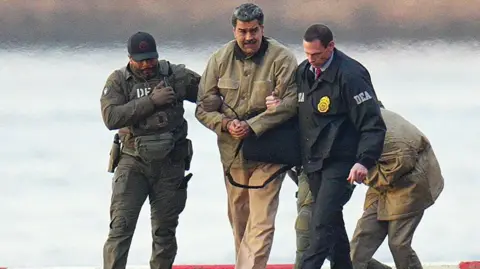
The commencement of the school year took an unexpected turn when federal immigration officers detained Roberts shortly after classes resumed. His arrest on September 26 sent shockwaves throughout the community and drew attention to his prior criminal background and allegations of falsified credentials.
Initially pleading not guilty to charges related to employment deception and illegal firearm possession, Roberts is expected to switch his plea to guilty, as indicated by a plea agreement he signed prior to the hearing set for Thursday.
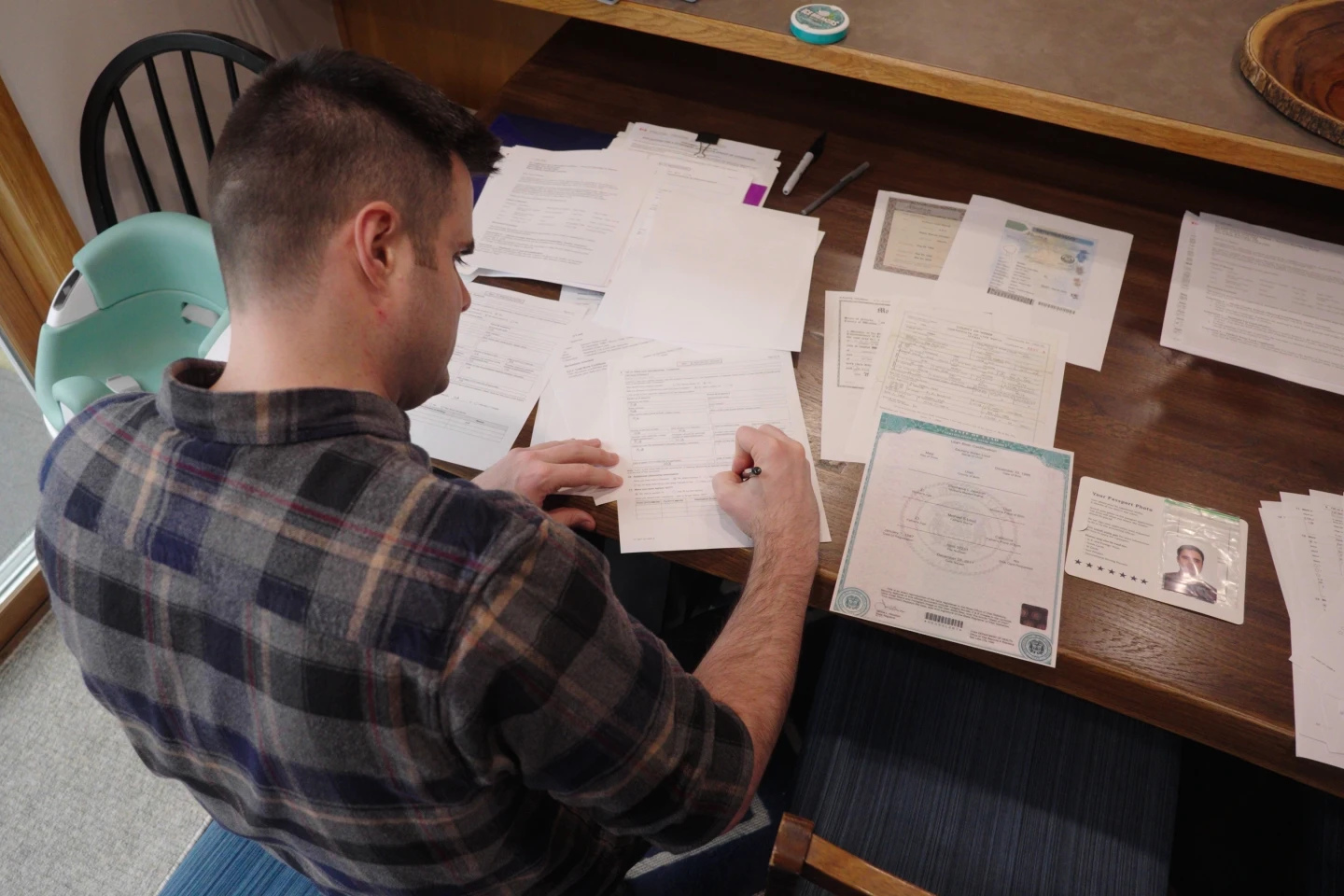
According to court documents, Roberts attempted to address his legal woes through the Employment Eligibility Verification form, known as an I-9, claiming U.S. citizenship despite lacking the necessary documentation. This infraction alone could incur a five-year prison term and a hefty fine.
Details about his apprehension reveal a pursuit by federal agents that ended with Roberts escaping in a school-issued vehicle, which was later abandoned with a loaded handgun and $3,000 in cash tucked away inside.
In October 2020, Roberts faced an immigration notice just months prior to the expiration of his work authorization, culminating in a definitive removal order in 2024. His legal counsel indicated Roberts believed his immigration issues had been adequately addressed previously.
As part of the plea agreement, prosecutors have indicated they will seek leniency, although Roberts’ ultimate sentence will be determined by the judge. He has also agreed to forfeit the firearms in question. With a trial initially scheduled for early March, the case remains a critical focal point in discussions about immigration and legal accountability within educational institutions.