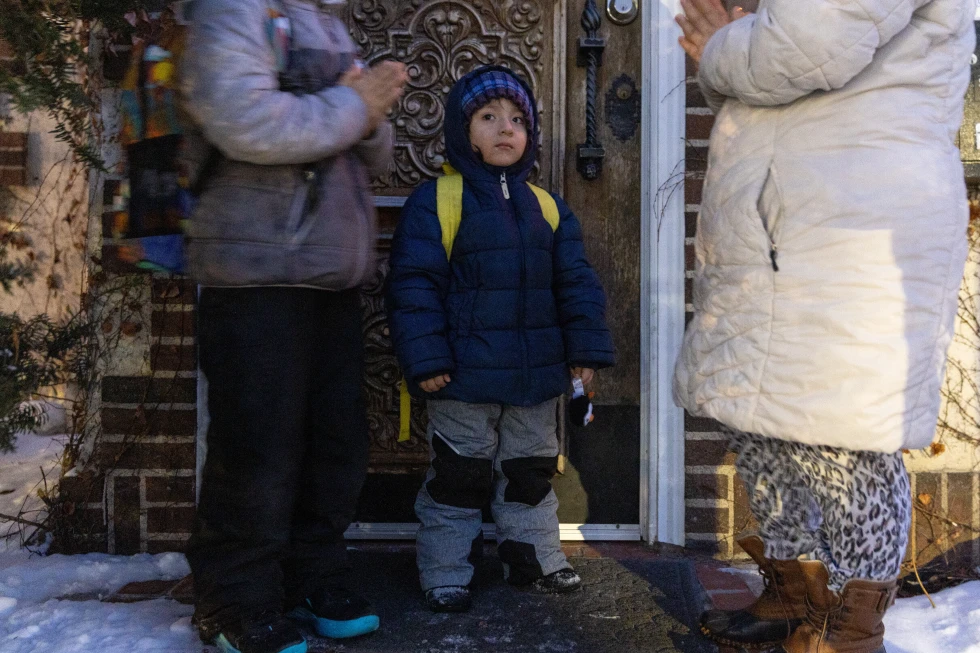
MINNEAPOLIS (AP) — In some ways, 10-year-old Giancarlo is one of the lucky ones. He goes to school. Each morning, he and his family bundle up and leave their Minneapolis apartment to wait for his bus.
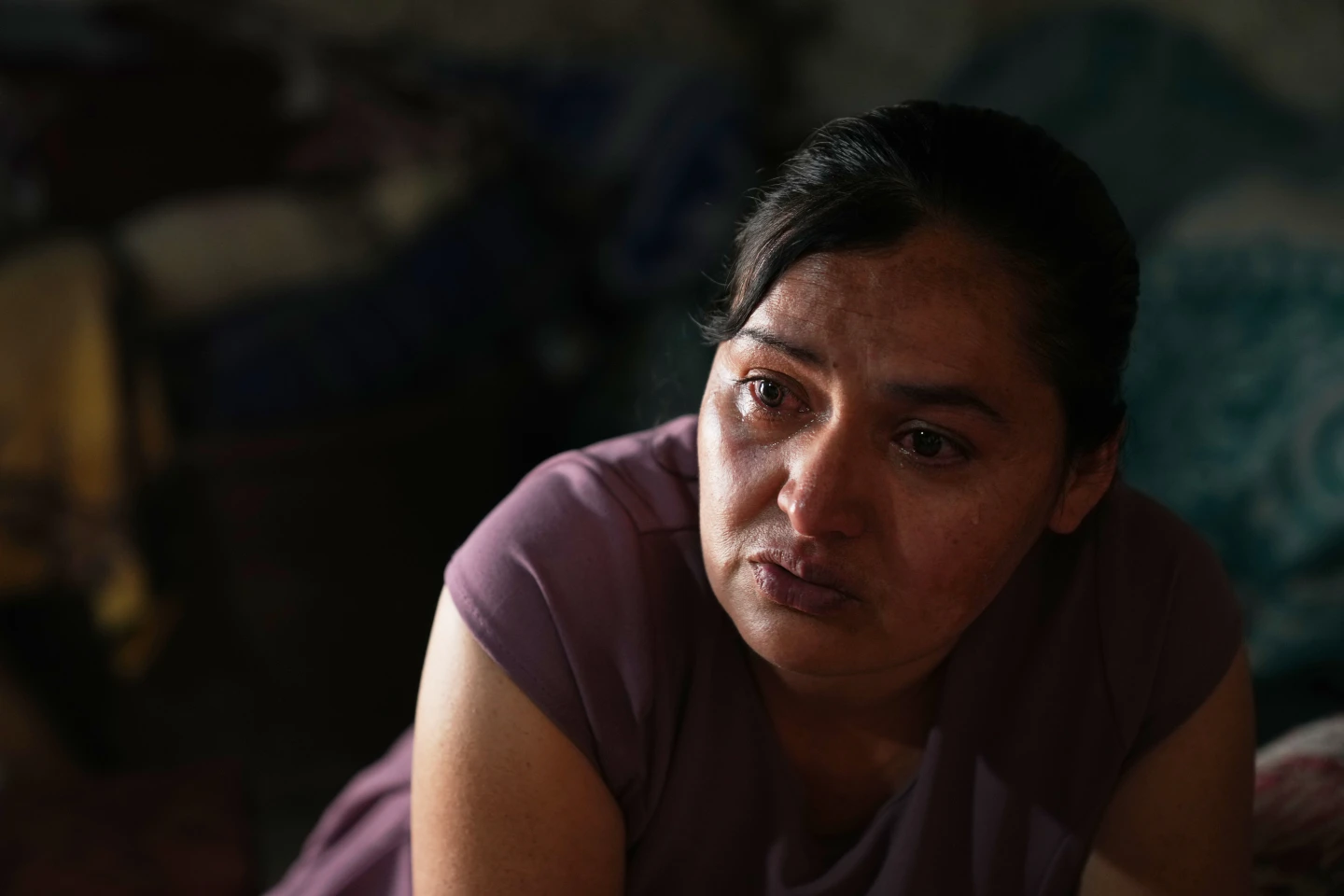
Giancarlo’s mother prays for them to be safe. It’s a daily ritual done in the shadows, where she anxiously scans the streets for immigration agents.
“God, please protect my son when he’s not at home,” she prays in Spanish, fearing the repercussions of the current administration’s immigration policies.
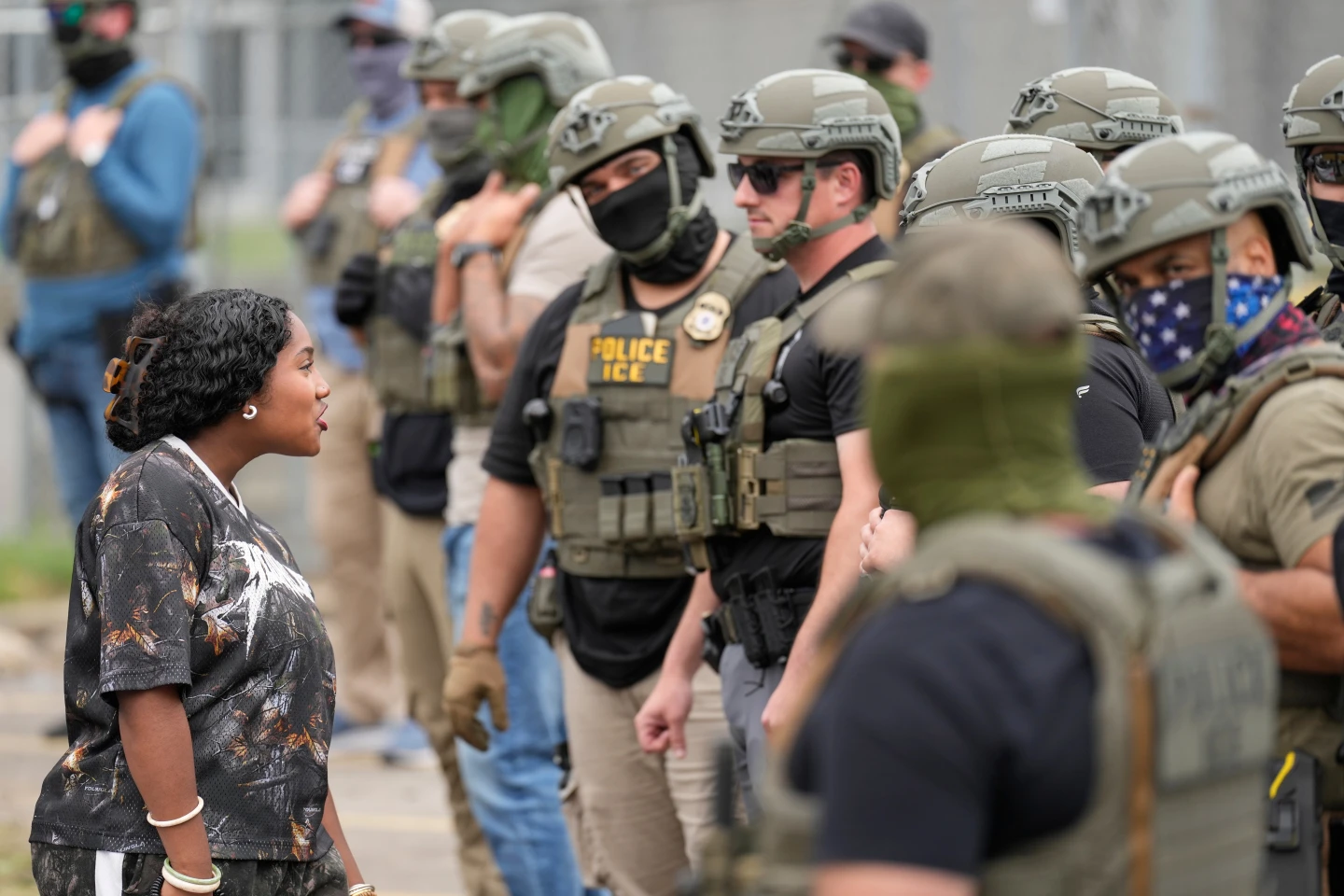
Despite the anxiety, many immigrant families across Minnesota are sending their children to school, hoping that federal officers won’t apprehend them or their kids. The reality, however, is harsh; many children are staying at home out of fear or due to a lack of transportation.
In the shadow of federal enforcement, Giancarlo's school serves as a refuge. He plays soccer during recess and has formed friendships with his classmates. It’s a place where he can learn, socialize, and have regular access to meals.
However, numerous students have stopped attending school due to the anxiety driven by the risk of detainment. In St. Paul, attendance numbers dropped dramatically, highlighting the impact of immigration policies on education.
To alleviate some of these fears, schools have started initiatives like organized walks home for students. Teachers and staff volunteer to escort kids back to their homes, ensuring their safe return amidst growing fears of immigration enforcement near schools.
Giancarlo's story is a poignant example of how immigrant families navigate the intersections of fear, hope, and the unyielding desire for education, often leading them to make difficult choices in the pursuit of safety and stability.