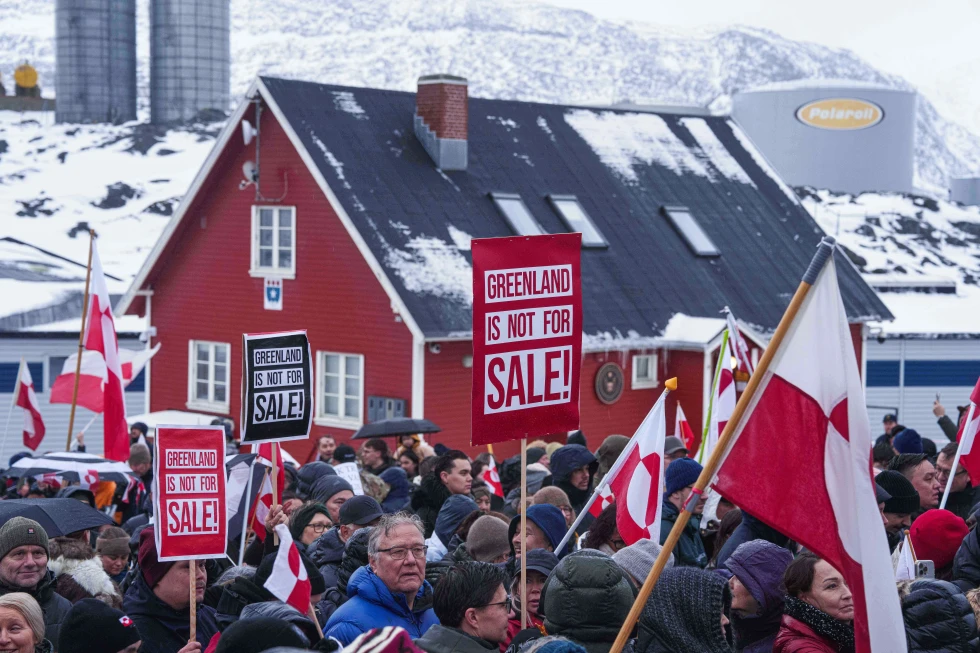
The European Parliament has suspended the approval of a key US trade deal agreed in July in protest against Donald Trump's demand to take over Greenland.
The suspension was announced in Strasbourg, France, on Wednesday, as the US president addressed the World Economic Forum in Davos.
The move followed renewed trade tensions between the US and Europe sparked by Trump's bid to acquire Greenland, which had rattled financial markets, reviving talk of a trade war and the possibility of retaliation against the US.
Hours later, Trump stated on social media that he had reached a framework deal on Greenland's future and would not carry out threats to impose new tariffs on eight NATO members.
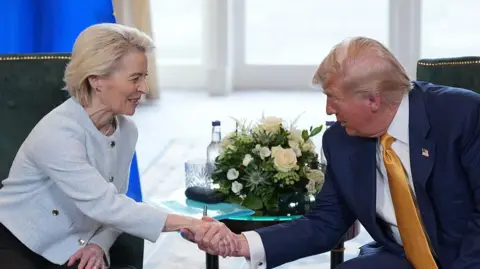
Trade tensions had eased since the two sides struck an agreement at Trump's Turnberry golf course in Scotland in July, which set US levies on most European goods at 15%, down from the 30% Trump had initially threatened. However, the deal required approval from the European Parliament to become official.
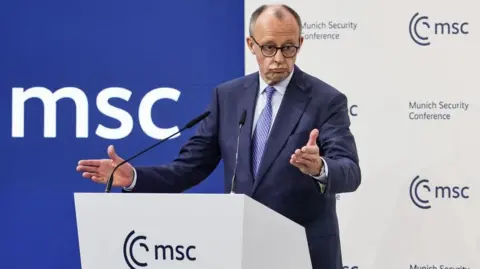
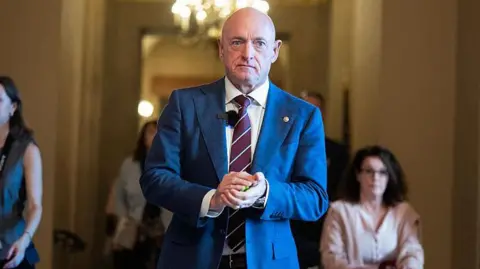
On Wednesday, following Trump's threats over Greenland, Bernd Lange, chair of the European Parliament's International Trade Committee, announced the suspension of all legislative proposals regarding the Turnberry agreement. He indicated that work would resume only when the US opts for a cooperative approach rather than confrontation.
The suspension could lead to the EU implementing tariffs on approximately €93 billion worth of American goods that had been postponed due to the deal negotiations. These tariffs might commence on February 7 unless advantageous developments occur.
In response to the trade negotiations, Trump called for immediate negotiations about Greenland, emphasizing its significance for US and global security, shortly before outlining a proposed framework for its acquisition.
As Trump spoke at Davos, markets reacted positively, with US stock indices gaining over 1% amidst the resumption of previous trade dynamics. Gold and silver prices continued to rise as concerns around economic stability persisted.
The US and the European Union remain each other's largest trade partners, with significant trade relations approximating €1.6 trillion annually. Trump's aggressive tariff strategies, met with international pushback, reflect continuing strains in US trade policy.