In brief
Israel’s latest parliamentary election comes on the heels of the devastating October 2023 Hamas attacks, turning it into perhaps the country’s most consequential vote. With no single party topping a simple majority, coalition talks could prove protracted, as leaders balance security concerns, ideological divides, and the demands of smaller parties. Analysts warn that the entrenched political fragmentation could delay the swearing‑in of a new cabinet, while citizens and international observers watch closely for a stable post‑war leadership. Meanwhile, the election’s timing underscores Israel’s resilience and the urgent need for political unity in a tense regional environment.
Israel’s most recent parliamentary election, held on 1 November 2023, marks the first time the nation has voted since the October 7 Hamas‑led attacks that escalated into a wider regional confrontation. With Gaza, Iran, Lebanon, Syria and Yemen all affected, the stakes are higher than ever for Israelis at the polls.
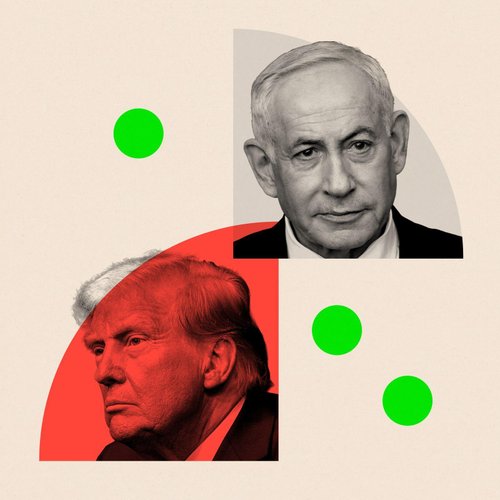
The electoral outcome has produced a fractured Knesset, Israel’s 120‑seat parliament, with no party securing an outright majority. The ruling Likud party—led by Benjamin Netanyahu—won the largest share of votes, but its seat count is far from the 61 seats required to form a government on its own.
Such a split is not unprecedented in Israeli politics, but the urgency created by the recent war and the memory of the last crisis means coalition negotiations are under intense scrutiny. Potential partners for Likud include right‑wing parties such as Yamina and Telem, as well as smaller centrist and left‑leaning groups that may be swayed by security and economic policies.
According to BBC Middle East correspondent Yolande Knell, the time required to build a consensus on cabinet positions, key policy priorities and the delicate balance between security and social welfare could extend well beyond the single‑week window after the vote. This delay would be a legislative and symbolic signal to both domestic constituencies and international allies.
Should a stable coalition fail to materialise, Israel would likely hold a second election later in the year, a scenario that could further strain the nation’s already fragile resources. In the meantime, the Knesset’s leaders are under pressure to craft a unified platform that addresses the ongoing security threats while restoring confidence in democratic institutions.
For diverse perspectives on the implications of the current results, readers can follow the full BBC coverage of the Israeli elections, which includes live updates and expert analysis.