The UN and various aid agencies are expressing concern that newly implemented Israeli registration rules may lead to catastrophic disruptions in humanitarian aid to the occupied West Bank and Gaza Strip. These rules require international non-governmental organizations (INGOs) to register by December 31, with those failing to do so facing operational closure within 60 days. Such action would significantly impact healthcare and other vital services in Gaza.
Save the Children reported that its registration application remains unapproved, and they are exploring all possible options to contest the decision. Meanwhile, the Israeli government claims that the departure of so-called 'rogue organizations' will not impact overall aid delivery.
Currently, fourteen out of approximately 100 applications for registration have been denied, while 21 applications have received approval, with the remaining still under review. The ministry overseeing these registrations states that rejection criteria include denying the legitimacy of Israel and supporting unfriendly motions against it.
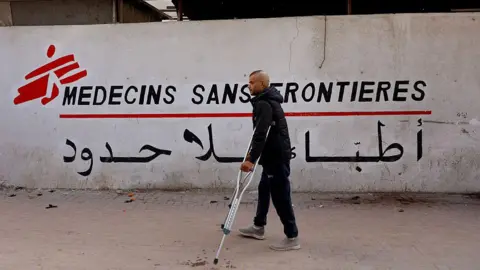
Humanitarian organizations, like Médecins Sans Frontières (MSF), are still seeking registration and warn that any reduction in their presence would be disastrous for the health system in Gaza, which is severely compromised already. The ongoing humanitarian response relies heavily on these organizations, providing critical services that include healthcare, nutrition, and emergency assistance. If forced to withdraw, one-third of Gaza's healthcare facilities could shut down.
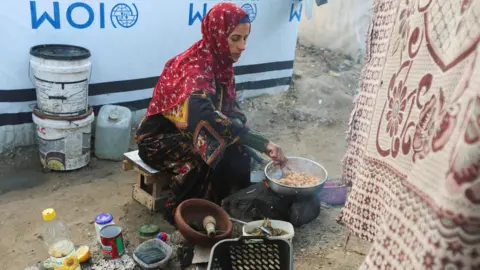
The implications of these new regulations are substantial, threatening the continuity of support for Palestine, especially as winter conditions set in, which would exacerbate the suffering of those in need. Humanitarian principles mandate that civilians confronting crises receive uninterrupted aid, a responsibility that remains under international humanitarian law.
Israeli officials have stated that they provided ample time for NGOs to register and contend that ongoing humanitarian aid will persist despite criticisms regarding the registration process.