The U.S. healthcare system is under intense scrutiny as millions grapple with the financial burdens of medical debt. The situation came to a head recently when Jeff King received a shocking hospital bill of $160,000 after undergoing a minor heart procedure, a reality faced by approximately 40% of Americans who struggle with healthcare costs. Despite spending nearly $6 trillion on healthcare annually, the U.S. lags behind other developed countries in terms of life expectancy.
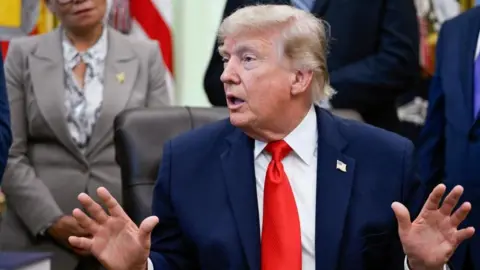
Amid growing frustrations, a variety of proposals have surfaced, including President Trump's 'Great Healthcare Plan' which promises direct financial assistance to citizens for insurance costs. However, critics argue that these strategies lack detailed execution plans and may not provide the necessary relief after cuts to government health subsidies.
Some state governments have attempted to address the crisis by banning medical debt from credit reports, while nonprofits like Undue Medical Debt strive to alleviate the burden by paying off medical bills for those in need. Yet, as healthcare costs continue to rise and political leaders remain divided, the path to meaningful reform is uncertain.
Personal accounts of Americans like Stacy Cox, whose insurance premiums skyrocketed from $500 to $2,100, showcase the alarming trend of healthcare becoming increasingly unaffordable. With the complexity of multiple insurance systems contributing to the financial chaos, many are left to wonder if and when a solution will emerge to alleviate this ongoing crisis.
Amid growing frustrations, a variety of proposals have surfaced, including President Trump's 'Great Healthcare Plan' which promises direct financial assistance to citizens for insurance costs. However, critics argue that these strategies lack detailed execution plans and may not provide the necessary relief after cuts to government health subsidies.
Some state governments have attempted to address the crisis by banning medical debt from credit reports, while nonprofits like Undue Medical Debt strive to alleviate the burden by paying off medical bills for those in need. Yet, as healthcare costs continue to rise and political leaders remain divided, the path to meaningful reform is uncertain.
Personal accounts of Americans like Stacy Cox, whose insurance premiums skyrocketed from $500 to $2,100, showcase the alarming trend of healthcare becoming increasingly unaffordable. With the complexity of multiple insurance systems contributing to the financial chaos, many are left to wonder if and when a solution will emerge to alleviate this ongoing crisis.