The Dire Toll: India's Ongoing Snakebite Crisis
Every year, India faces a staggering snakebite challenge, claiming around 50,000 lives. This crisis is exacerbated by inadequate healthcare resources and awareness.
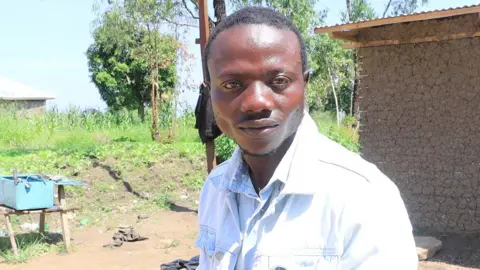
Devendra, a farmer from India, recounts the painful day when a snake bit him while he was picking mulberry leaves, a reminder of the dire realities many face. I went to the hospital four days after I was bitten... But the delay cost me my leg, he lamented. His story is not unique; it highlights the broader snakebite crisis which impacts rural communities disproportionately.
The central and eastern regions of India report the highest number of snakebite cases. Experts reveal that many healthcare workers face tremendous obstacles in administering antivenom, the critical treatment for snakebites. According to a recent survey by the Global Snakebite Taskforce, 99% of healthcare professionals struggle due to inadequate facilities and training.
With snakebites considered a neglected public health issue and a problem primarily affecting poorer populations, there is a desperate need for improved access to medical resources. A 2020 report suggested that India might have experienced around 1.2 million snakebite deaths from 2000 to 2019. The situation prompted the World Health Organization to classify snakebite envenoming as a neglected tropical disease.
To address the crisis, India launched the National Action Plan for Prevention and Control of Snakebite Envenoming in 2024, aiming to halve snakebite deaths by 2030 through enhanced antivenom availability, public awareness, and better healthcare access. However, experts urge immediate action, as untreated snakebites can lead to severe health complications in only a matter of hours.
Even though the plan is a vital step forward, ongoing challenges remain, particularly in rural areas where delays in reaching healthcare facilities can prove fatal. Healthcare systems struggle with the logistics of antivenom supplies, and many medical professionals lack proper training, leading to fear and hesitation in providing treatment.
The urgency of addressing this public health crisis could not be clearer. Snake venom acts quickly, affecting nerves and organs, thus every moment counts in response. Advocacy for better healthcare infrastructure and public health campaigns is crucial in combatting the neglect surrounding snakebite fatalities.
As the nation grapples with this ongoing crisis, it is evident that the time for focused action and resources is now, to ensure no more lives are lost to this avoidable tragedy.