Christa Pike’s Failed Execution Leaves Prognosis Uncertain
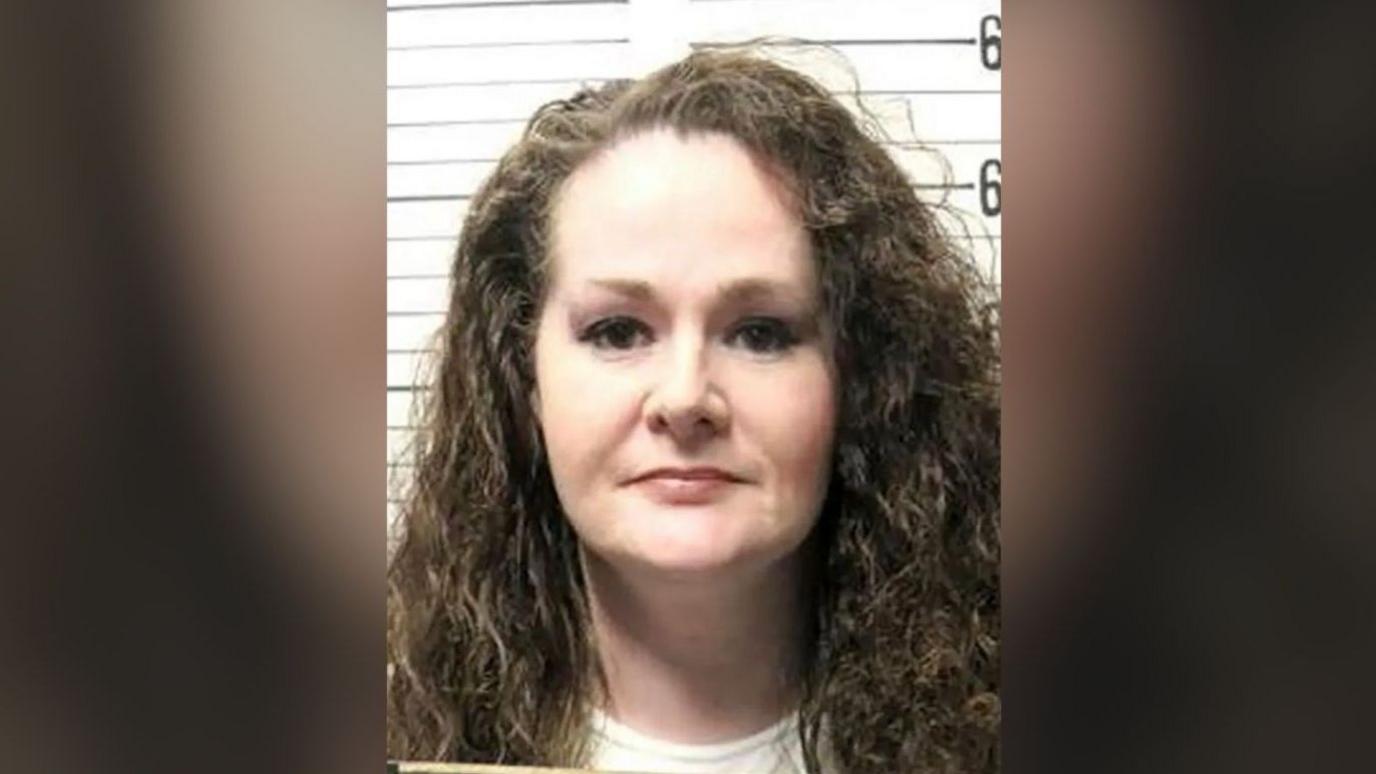
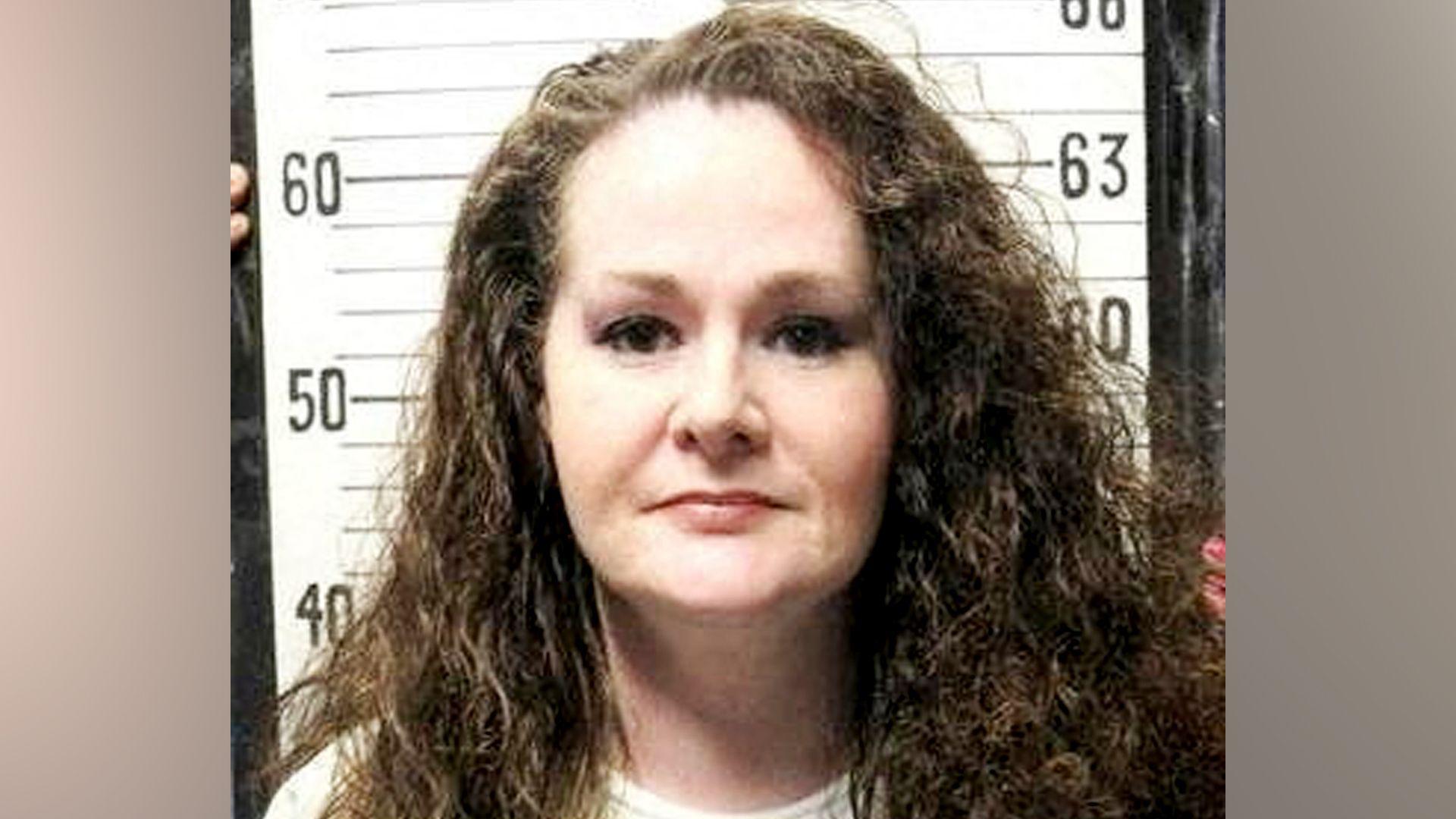
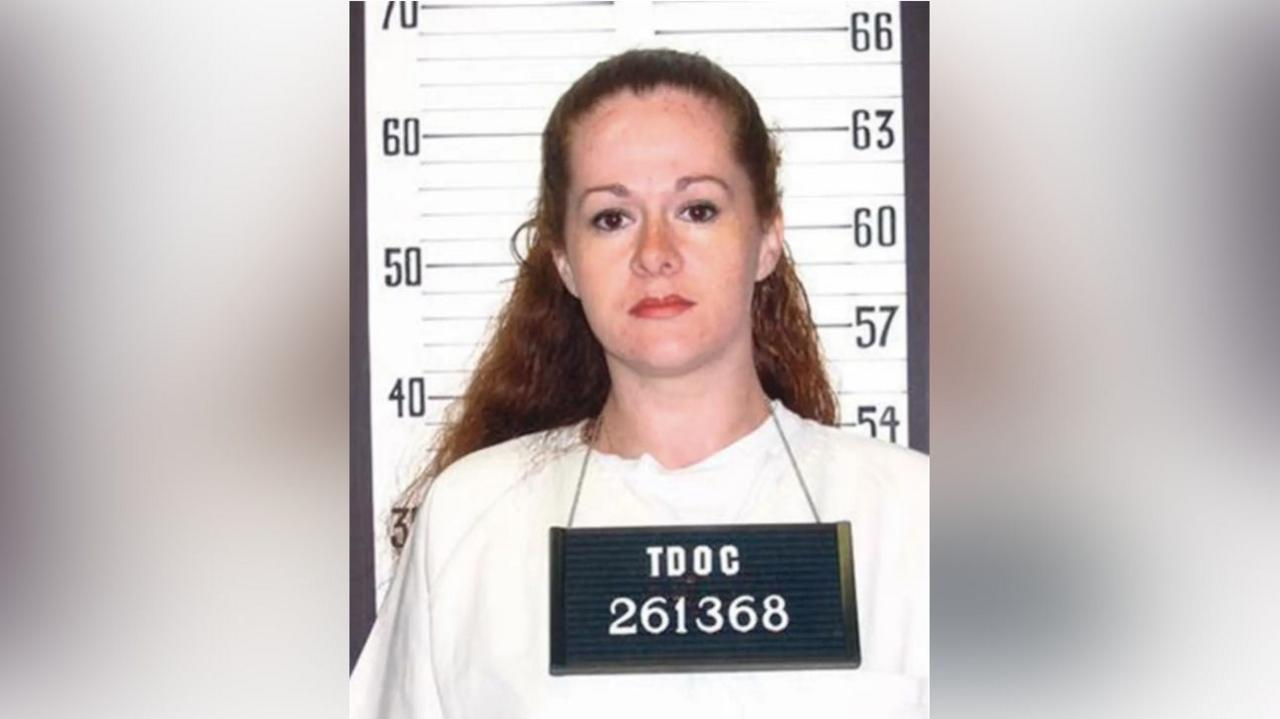
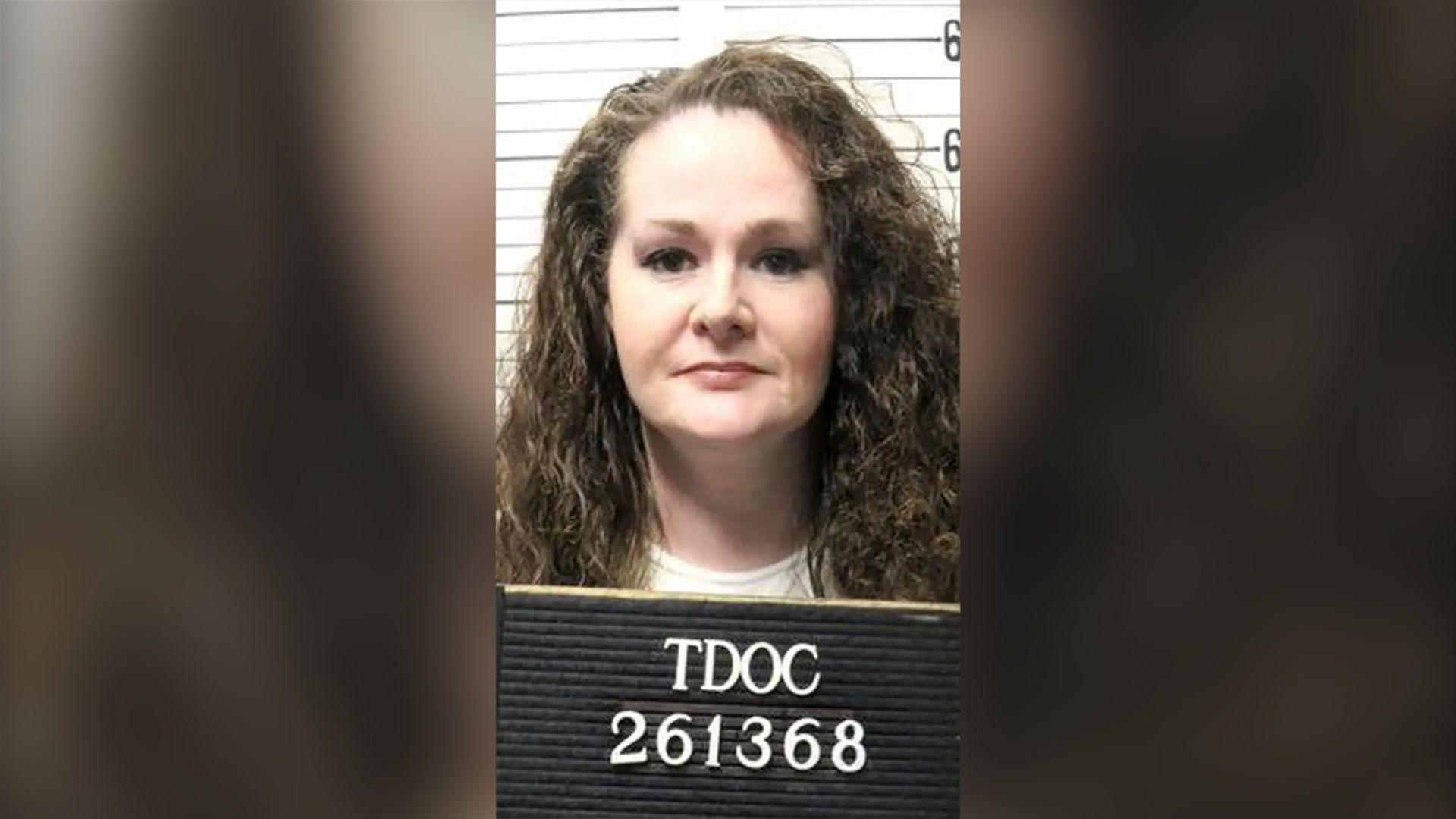
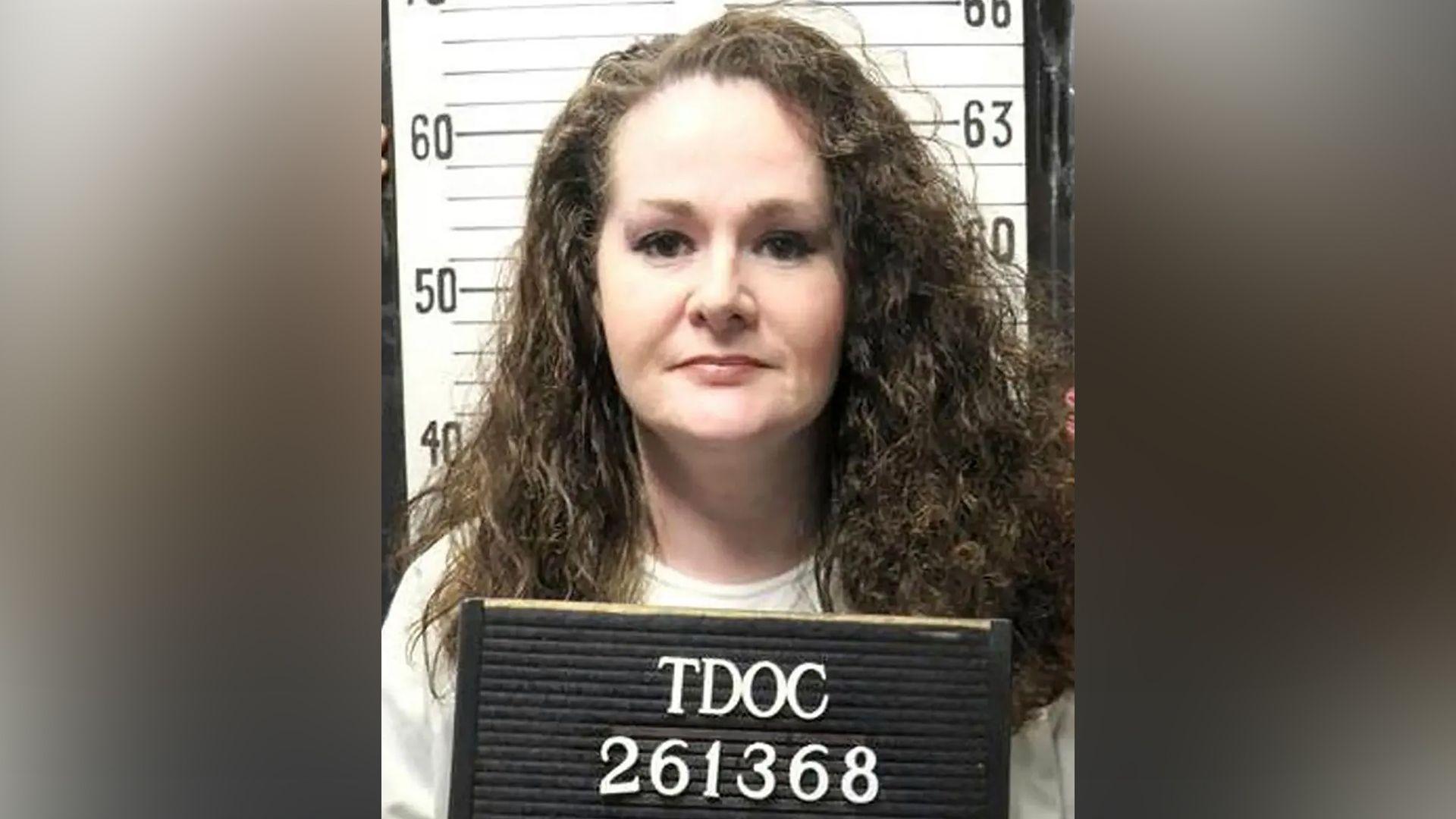
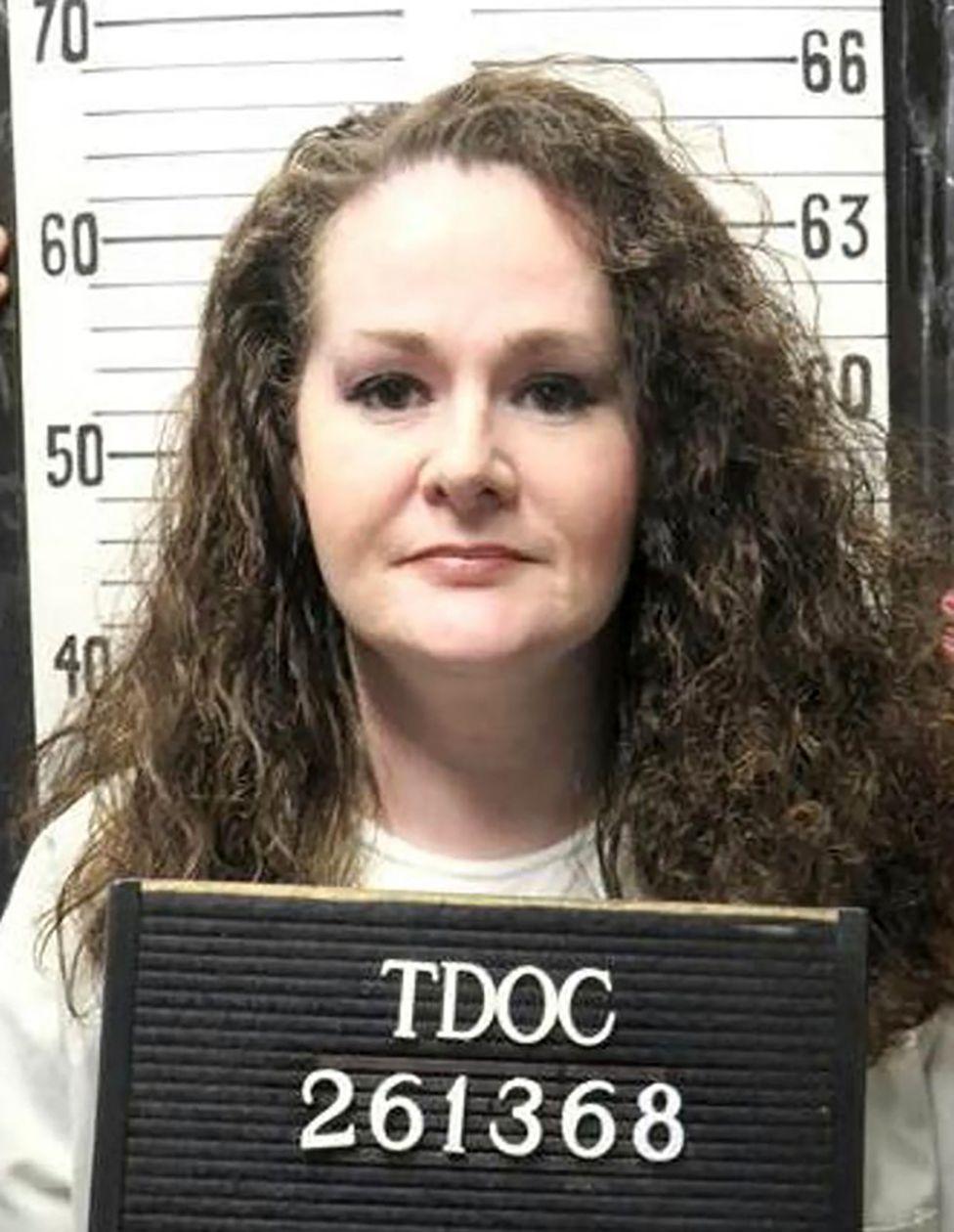
Christa Pike, 50, the Tennessee inmate convicted of murdering 19‑year‑old Colleen Slemmer in 1995, survived two lethal‑injection attempts on Wednesday night and was transferred to a Nashville hospital on a ventilator. Her lawyer, Stephen Ferrell, told CNN that doctors are still trying to clear two ineffective doses of pentobarbital from her body and that the outcome is unclear, possibly taking days for any assessment.
Ferrell added that he has been receiving updates through Pike’s medical power of attorney and has not seen her, saying she is "guarded" and that he is unsure who may have visited her. He stressed that the state has not yet indicated whether it will attempt a new execution or pursue a commutation.
The incident has drawn national attention: Tennessee Governor Bill Lee has suspended all executions for the rest of the year, and the state’s prison chief announced a resignation after the failed attempt. The debate highlights long‑standing concerns over the safety and humaneness of lethal‑injection protocols, especially given Pike’s medical history and the possibility of unnecessary suffering.
Pike’s case remains a focal point for critics of capital punishment, while state officials defend the protocol as designed to prevent additional procedures beyond those carried out. Whether Pike will be executed again, have her sentence commuted, or face a life term remains uncertain.