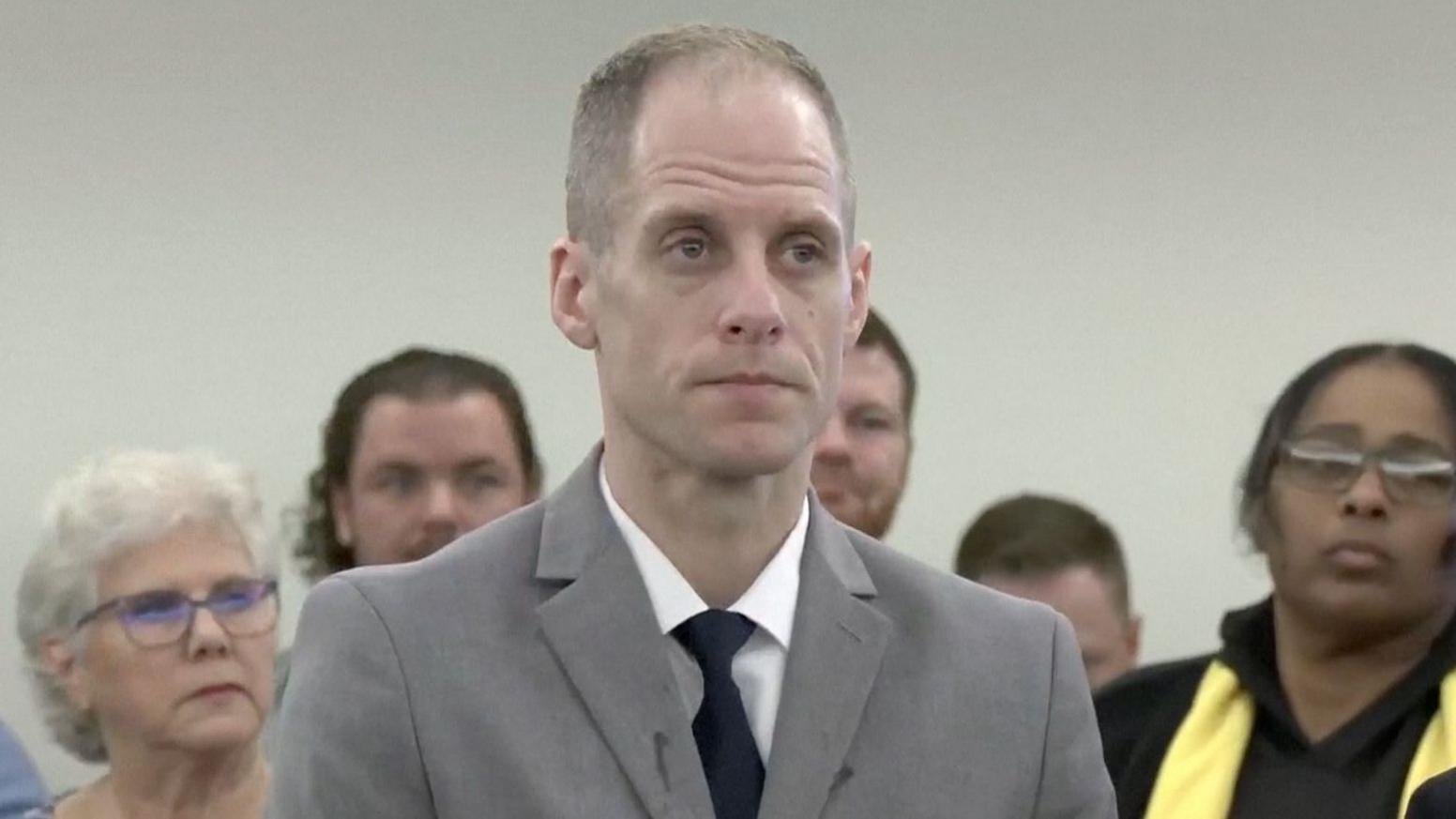
Christa Pike, 50, remains in a Nashville hospital on a ventilator after surviving two failed attempts to execute her for the 1995 murder of 19‑year‑old Colleen Slemmer. Her lawyer, Stephen Ferrell, told CNN that doctors are still working to clear the remaining pentobarbital in her system and that the hospital’s prognosis is unclear.
Pike was one of the most publicized death‑row cases in Tennessee, having been convicted and sentenced to death in 1996 amid a national debate over the use of lethal injection. The two execution attempts, carried out on a Wednesday, did not result in death and left Pike critically ill.
Authorities have not yet decided whether a third execution will be attempted. Governor Bill Lee announced a suspension of all executions for the remainder of the year, and the state’s chief of prisons has announced his resignation. The incident has sparked renewed scrutiny of Tennessee’s lethal‑injection protocol and its wider implications for capital punishment in the U.S.
Ferrell highlighted the severe medical risks associated with Pike’s body condition, including a blood‑clotting disorder and small veins that could intensify pain during a lethal injection. He urged the governor to commute her sentence to life imprisonment “at the very least.”
The case has drawn comment from advocates who argue that the execution’s botched nature suggests cruel and unusual punishment, and from supporters of the death penalty who call for the state to uphold its sentence. It also underscores broader national questions about whether lethal injection remains a humane method of capital punishment in light of recurring technical failures.