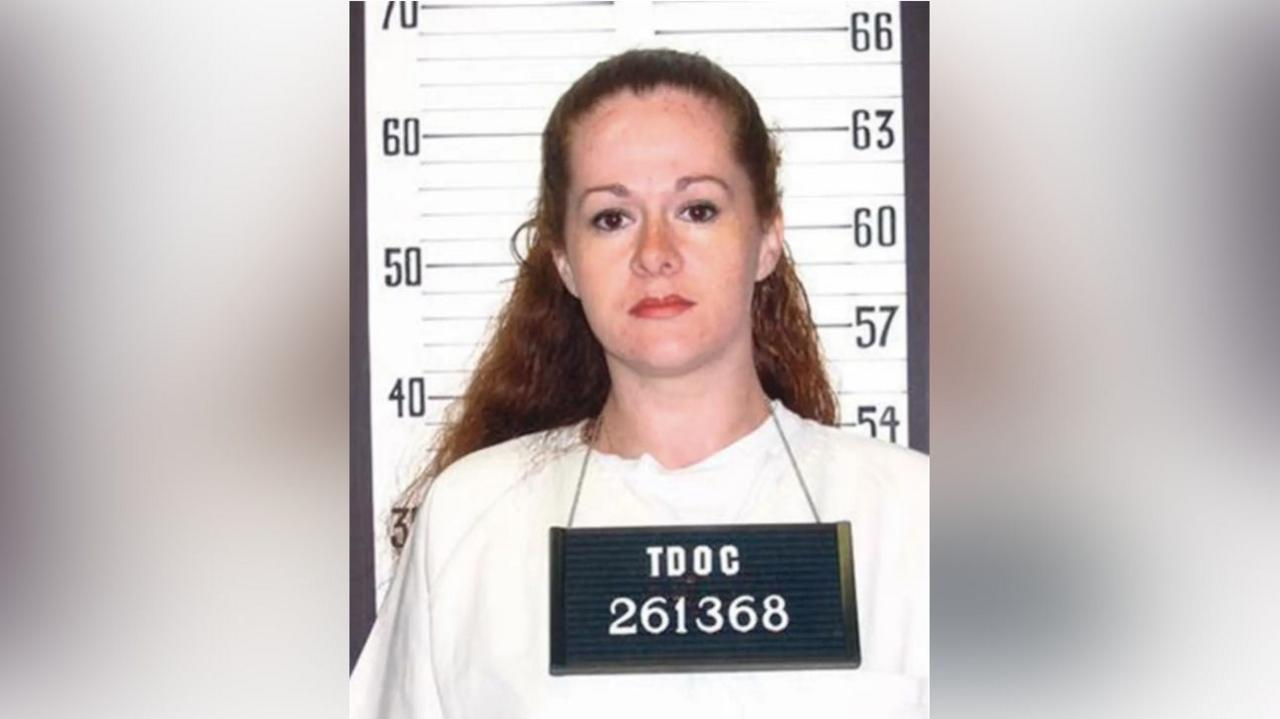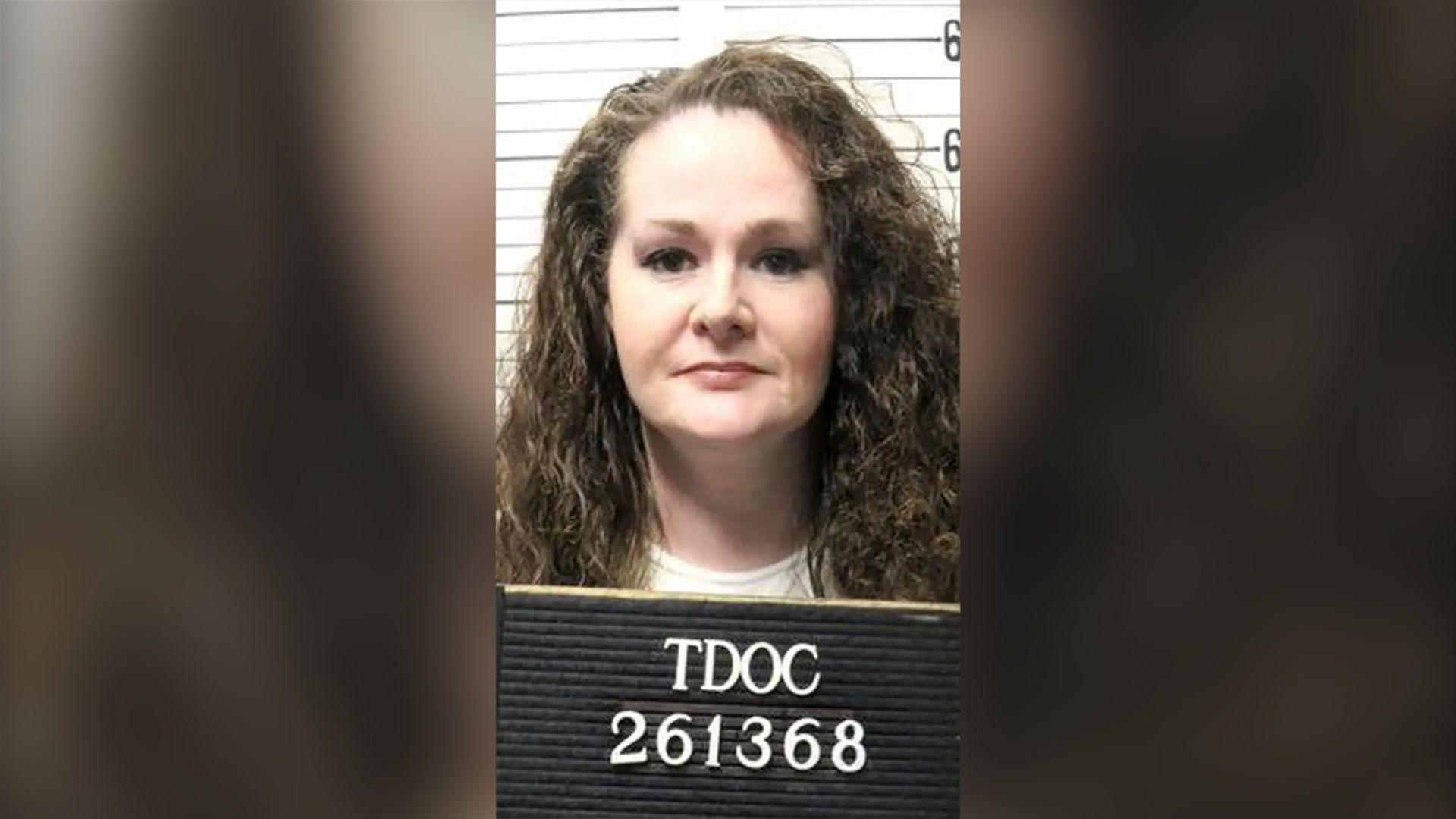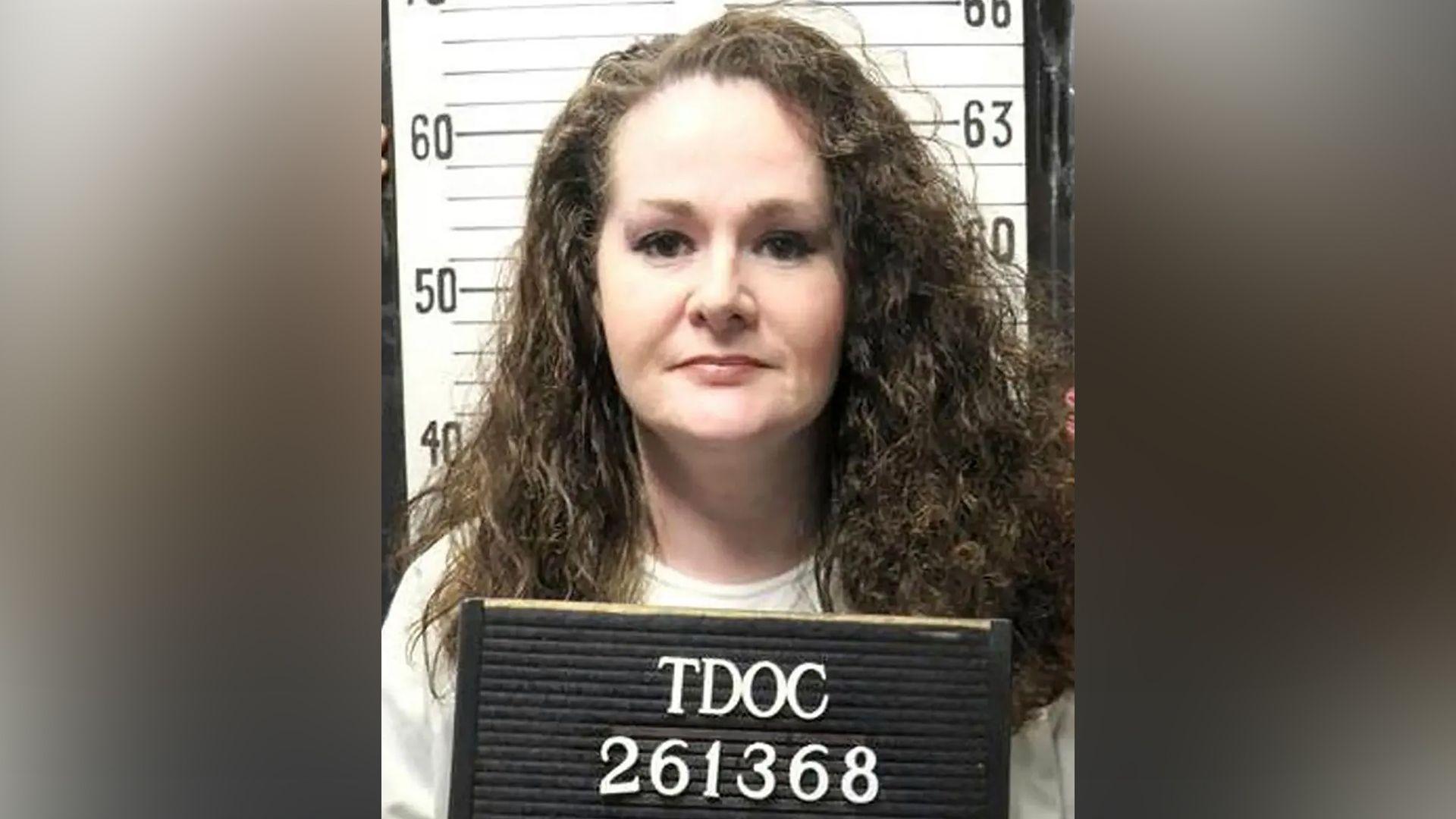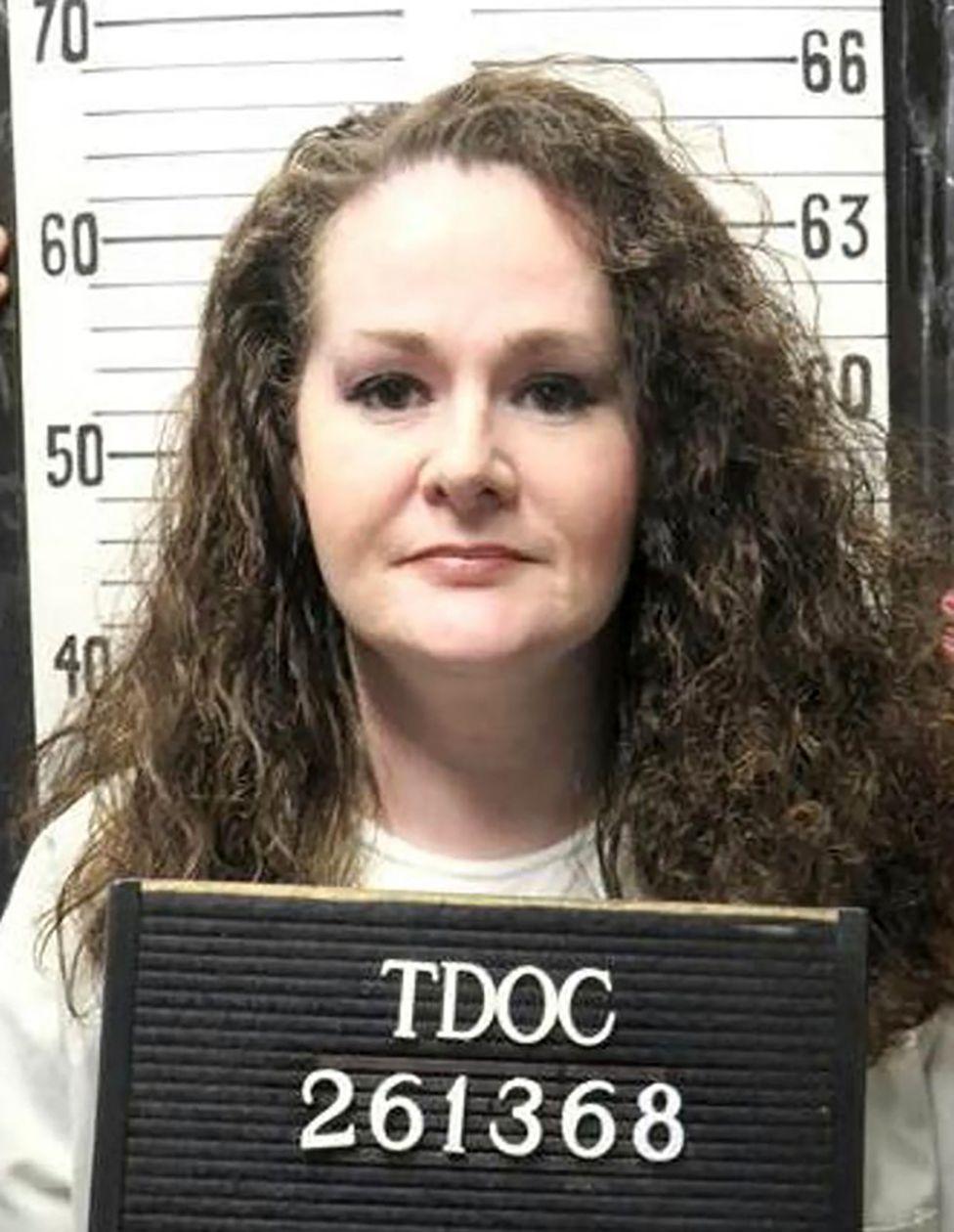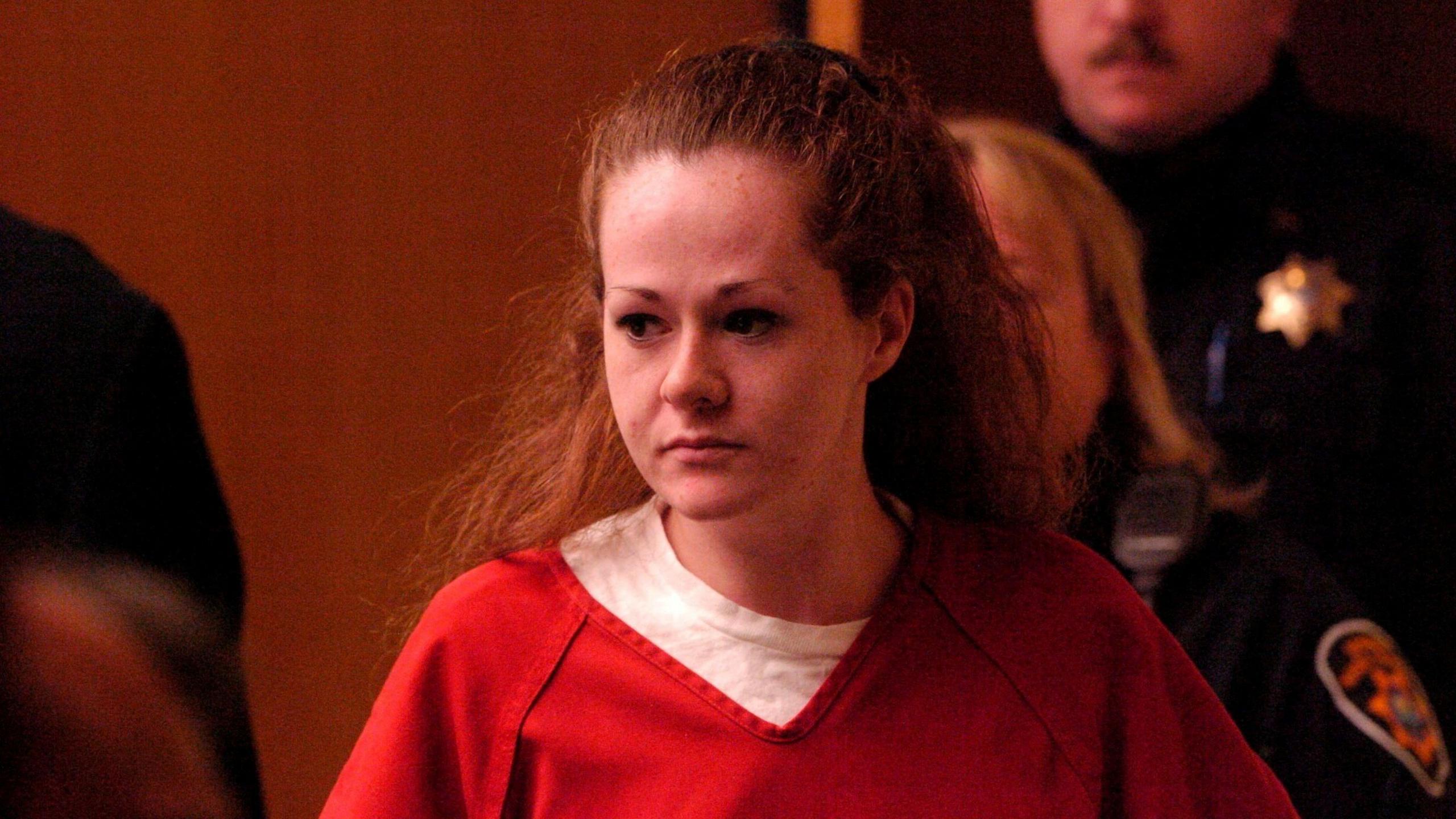
A Tennessee inmate named Christa Pike became the subject of a headline for spending an unintended amount of time in the lethal‑injection chair. She was injected twice with pentobarbital and continued breathing, snoring, and spitting blood. The state’s protocol – including a second compared syringe – was followed, but the execution ended up unsuccessful, leaving Pike to survive the ordeal.
Under Tennessee law, a second dose of the barbiturate is used if the first fails, but the manual does not specify what the inmate should do next. A single state‑wide review is now underway after the event, as Governor Bill Lee halted all executions in the state and ordered an independent inquiry.
Reporter Michael Graczyk, who has observed almost 500 executions across Texas and beyond, told the BBC that the Phoenix‑level case was not entirely unexpected. He says that, as a witness to the state’s most powerful sentences, he has seen the procedure work flawlessly most of the time, only never in the way Pike survived.
Christa Pike’s victim was 19‑year‑old Colleen Slemmer. Slemmer, a Florida native who enjoyed roller‑skating, was murdered at the age of 18 by Pike and her boyfriend Tadaryl Shipp. The death row inmate has now been placed in a hospital for “life‑saving” care, according to her lawyer.
Botched executions have long plagued the U.S. capital‑punishment system. At least 64 have been recorded since 1982, with 51 involving lethal injections. In several cases the IV line could not be set, and the injection had to be stopped entirely. Graczyk highlights how he sometimes has to step in to confirm that a death is carried out correctly.
While the state’s administration points to technical problems, the public remains divided. Graczyk reminds his readers that the victims’ families rarely receive the recognition and solace a public event might otherwise bring. The state has not yet clarified how Pike’s case will shape the next steps for Tennessee’s execution protocol.