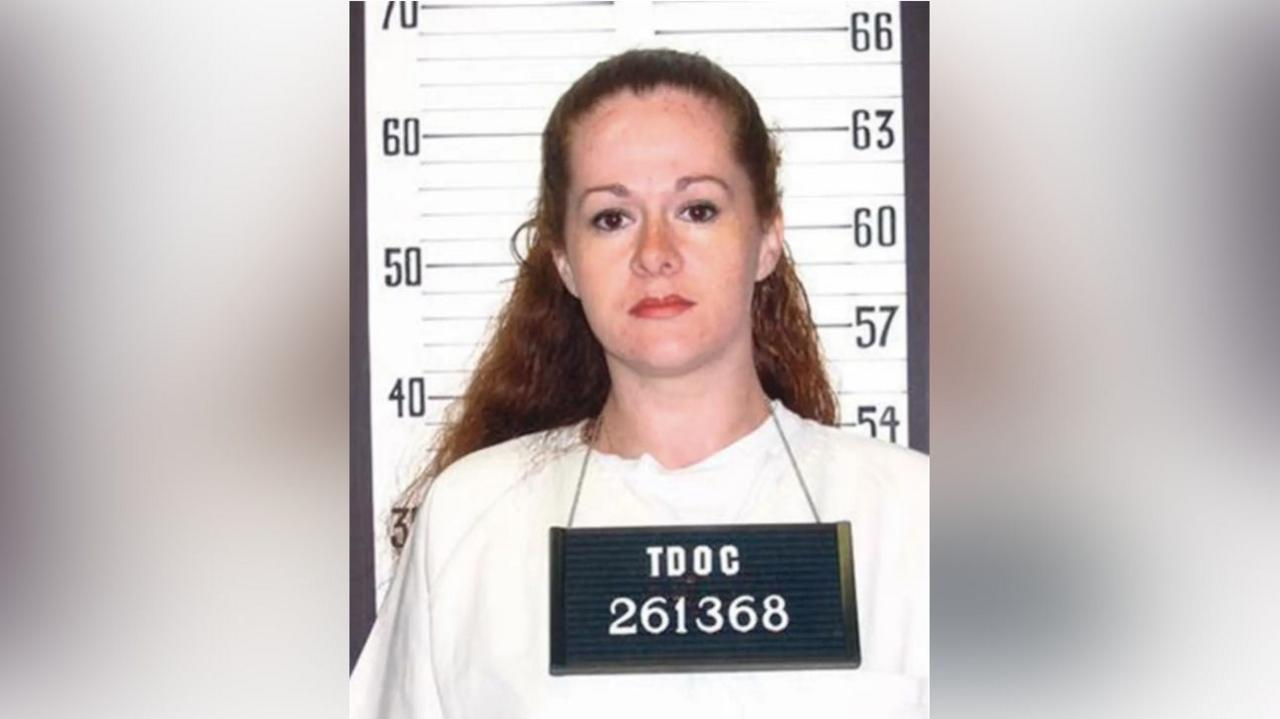
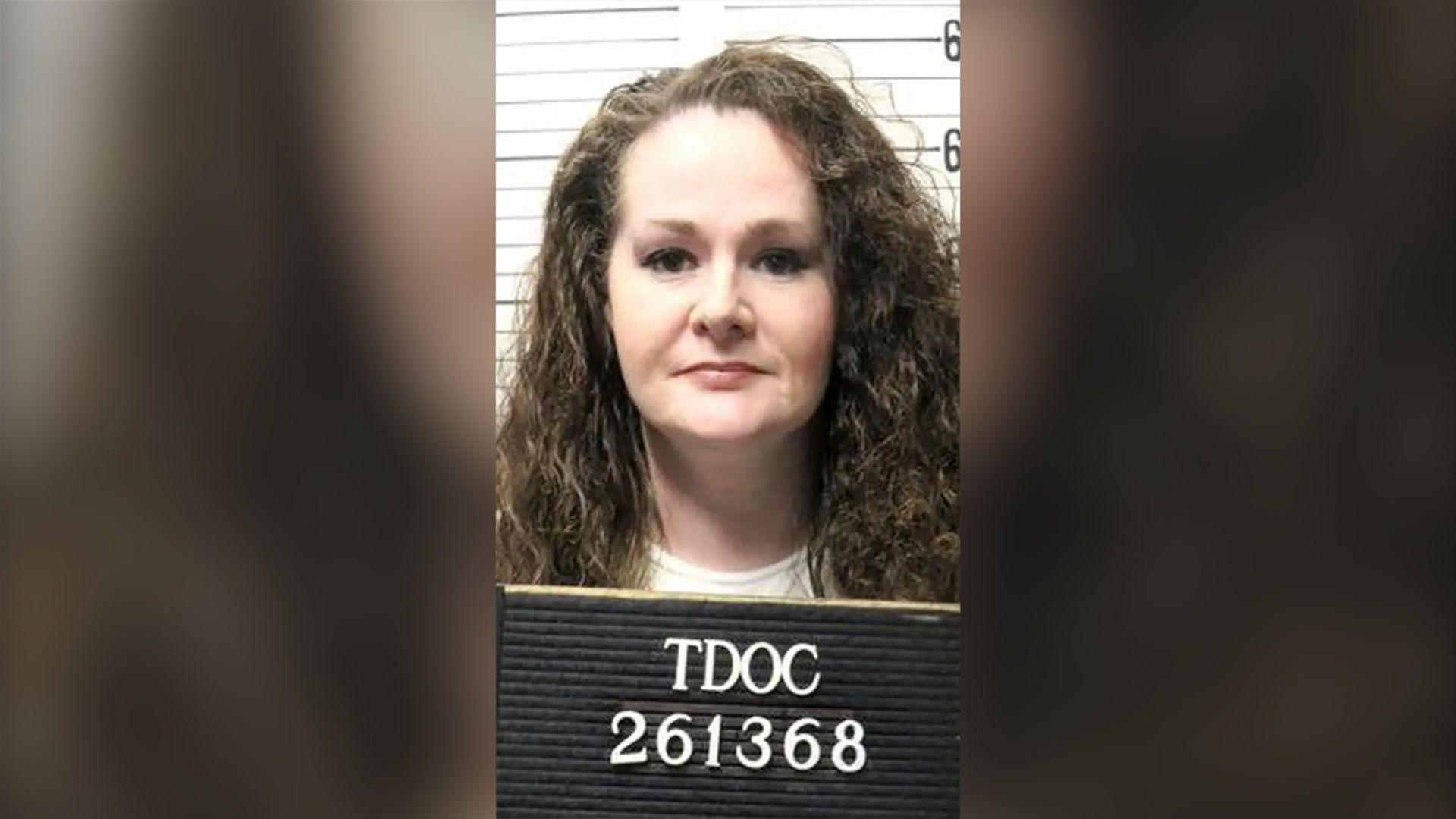
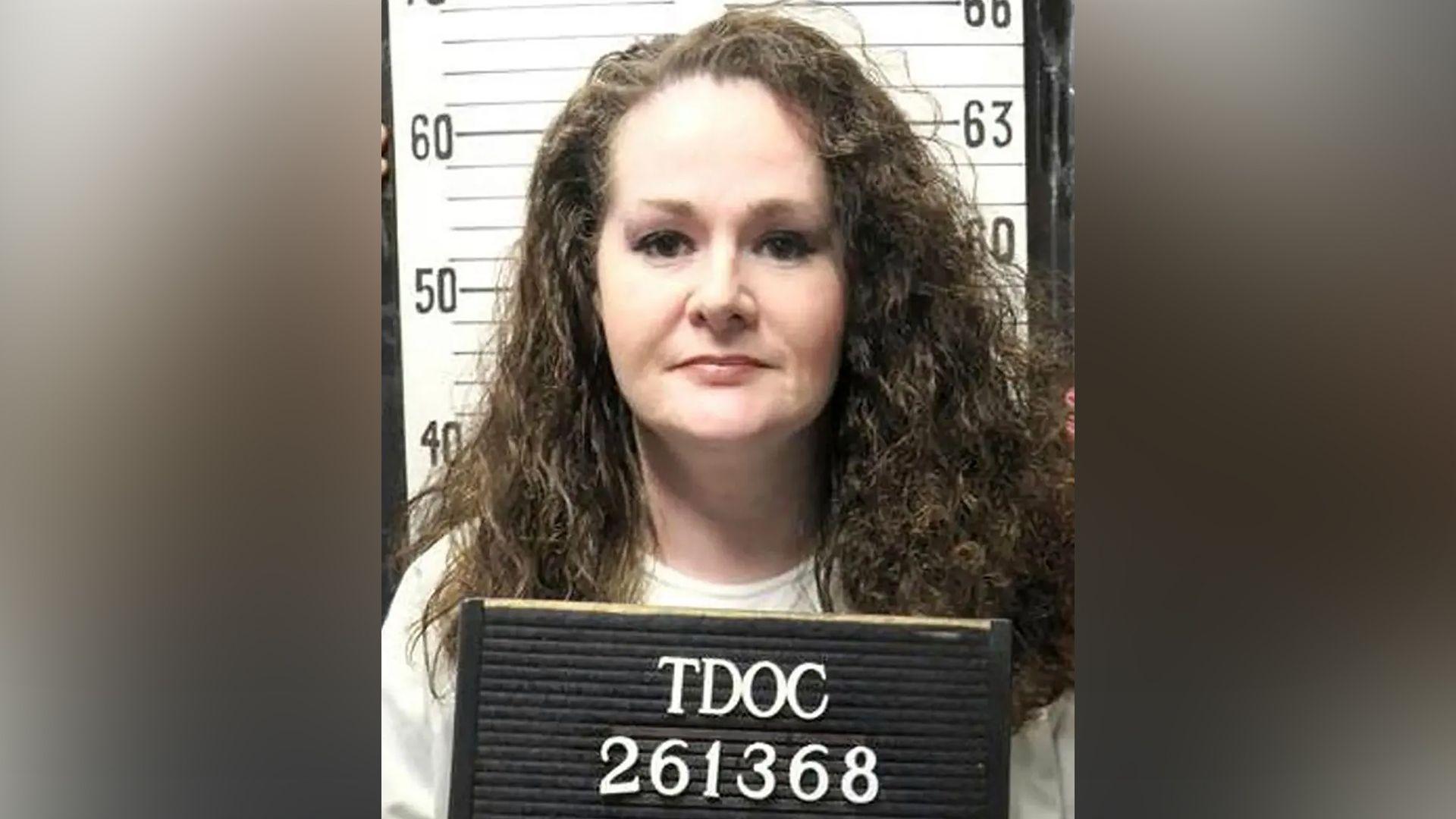
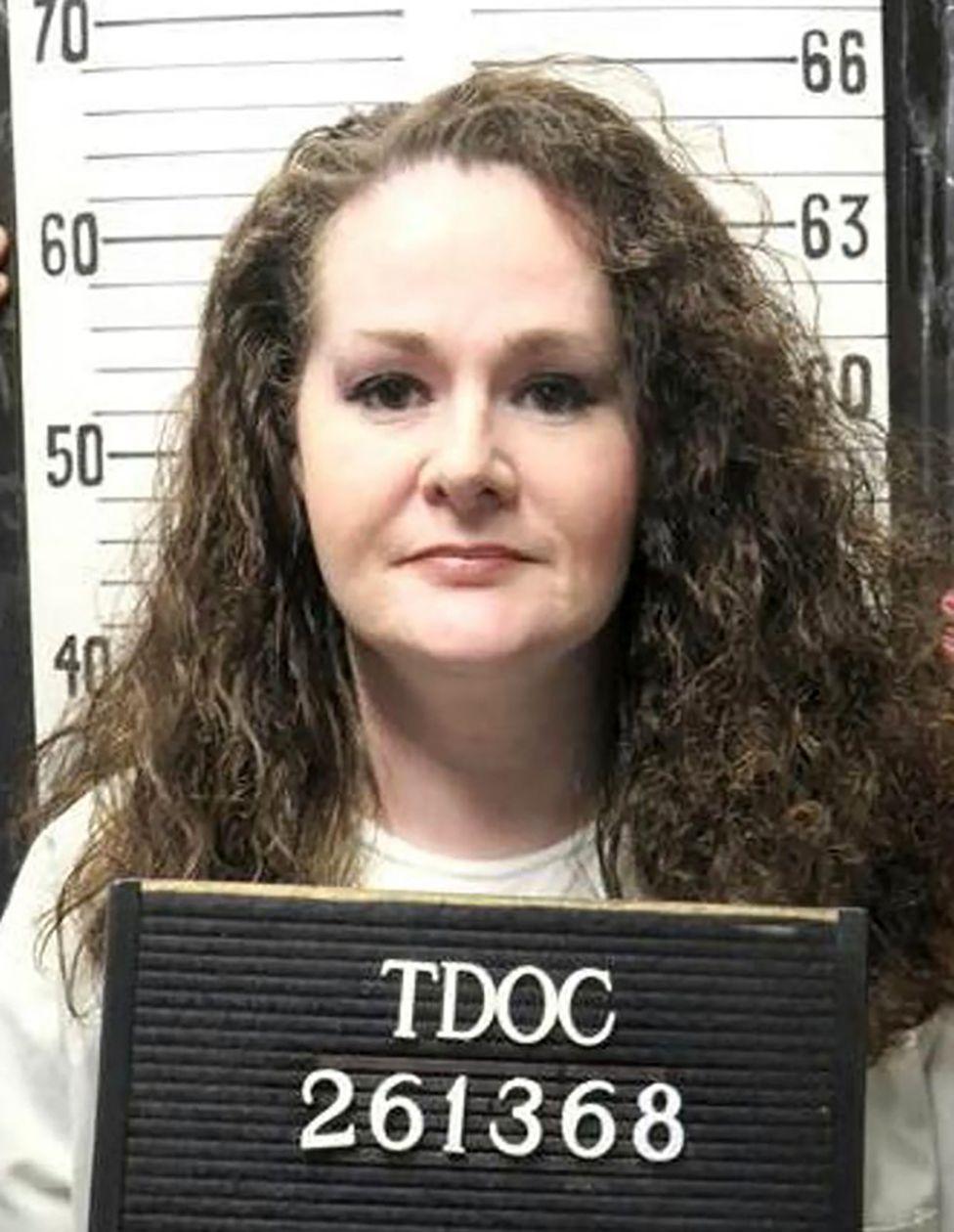
When the lethal injection machine click‑clacked for the first time at the state penitentiary, most observers anticipated a routine execution. Instead, Christa Pike—an inmate on Tennessee’s death row for a 2001 murder case—managed to survive the initial dose. A second attempt followed, only to fail again, leaving her comatose yet alive in the intensive‑care unit of a local hospital.
Attorney Lisa Benton reported that Pike is “receiving life‑saving medical care” and could nevertheless be declared dead for legal purposes if the medical team cannot recover her. “We know she is alive. She is breathing,” Benton told reporters outside the hospital. “It’s an unprecedented situation.”
Governor Bill Lee, who had overseen the death‑penalty system for eight years, immediately convened a review panel. In a phone interview, Lee said the state would halt all executions “for the remainder of the year.” He declined to comment on the cause of the failed injections, leaving the details to the impending investigation.
The incident has amplified concerns about the reliability of lethal‑injection drugs. Reform advocates argue that the very flaw that spared Pike also spells a crisis of confidence for a system meant to deliver certainty. Critics of death penalty point to the potential for human error, arguing that a moratorium is a necessary step toward reevaluating the morality and practicality of capital punishment.
For Tennesseans and rest‑of‑nation observers, the Pike case is a stark reminder that the American execution machine, though perfected in design, remains vulnerable to malfunction. The state’s pause may trigger a wave of legal challenges and shift the trajectory of capital punishment debates in the coming years.