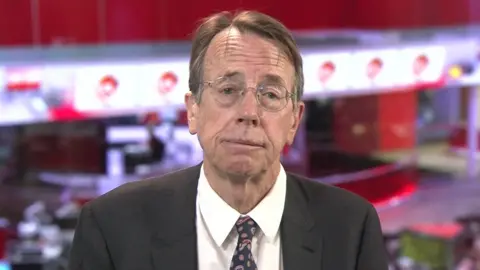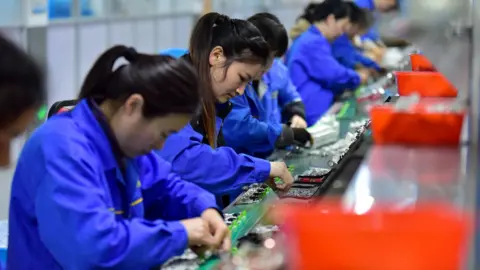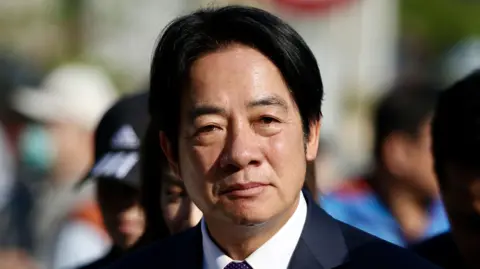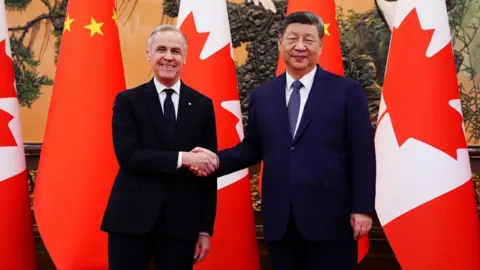
Chinese leader Xi Jinping and Canadian PM Mark Carney have announced lower tariffs, signalling a reset in their countries' relationship after a key meeting in Beijing.
China is expected to lower levies on Canadian canola oil from 85% to 15% by 1 March, while Ottawa has agreed to tax Chinese electric vehicles at the most-favoured-nation rate, 6.1%. Carney told reporters during the announcement that this deal marks a breakthrough after years of strained ties and retaliatory levies.
Xi hailed the turnaround in their relationship, emphasizing its significance. Carney, the first Canadian leader to visit China in nearly a decade, has been focused on diversifying Canadian trade away from the US, especially following the volatile tariffs from previous US administrations.
The agreement could pave the way for increased Chinese investment in Canada, especially as some ties with the US remain fraught. Carney stated that Canada's engagement with China has become more predictable in recent months, describing the discussions as realistic and respectful while also insisting on maintaining Canada’s fundamental positions on human rights and other critical issues.
As global trade dynamics evolve, observers suggest that Carney's visit might stimulate similar diplomatic engagements among other nations feeling the pressures of US tariffs.
Additionally, Xi has been striving to project China as a stable partner in global trade matters, highlighting the importance of maintaining a mutually beneficial relationship. Carney’s rhetoric suggests a strategic pivot, noting that the geopolitical landscape is rapidly shifting.
Carney has suggested that Canada-China ties could lead to a new economic paradigm, reflecting a broader desire to reposition Canada's trade strategies amid continuous global disruptions. As exciting as these developments, the journey towards a fully reconciled partnership remains complex, guided by careful negotiation and acknowledgment of both nations' differing standpoints.