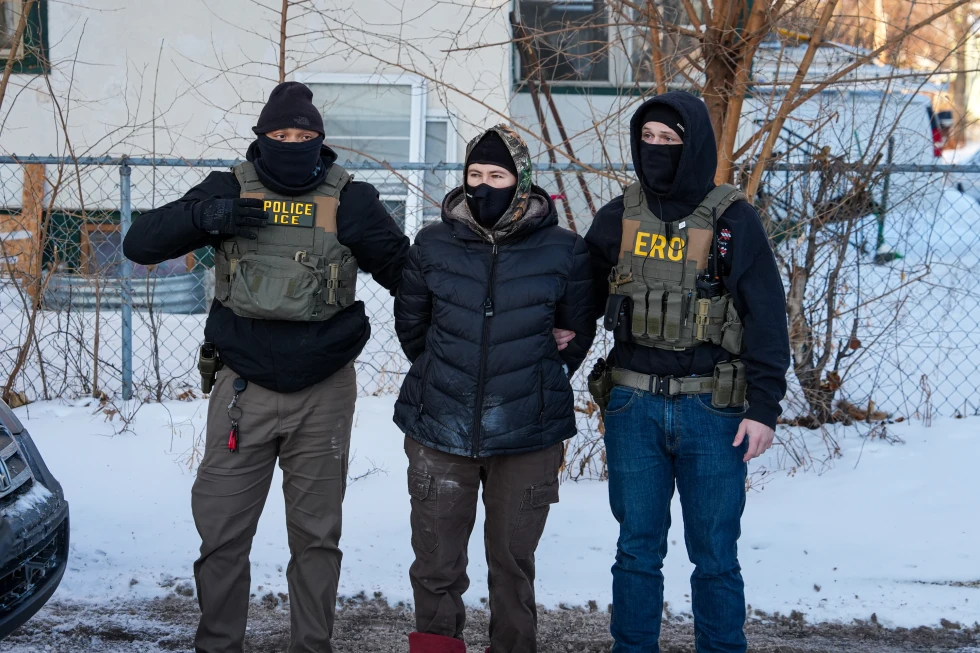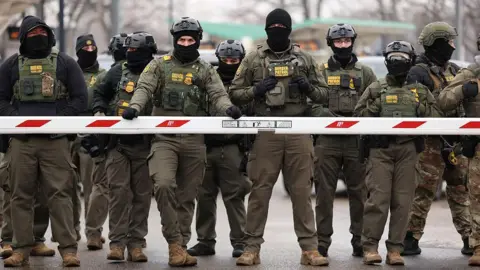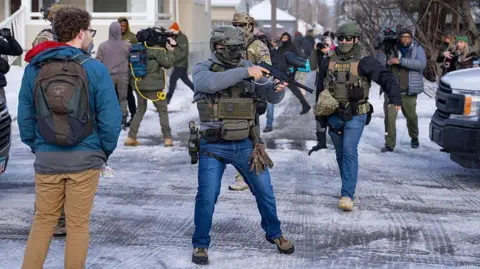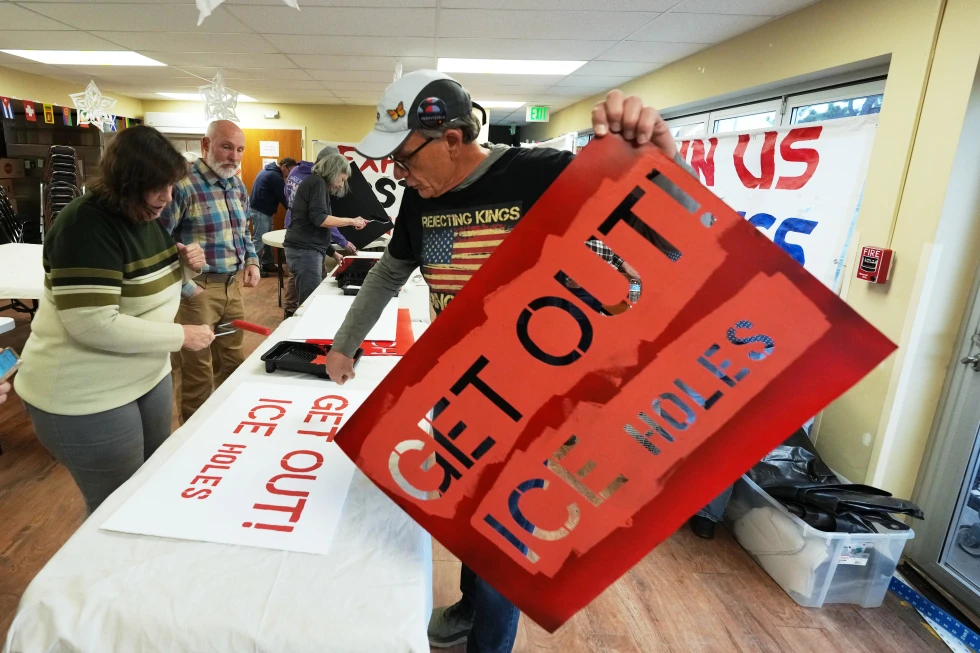
WASHINGTON (AP) — The U.S. Department of Homeland Security has come under scrutiny for its unconventional naming of immigration enforcement operations, which include 'Operation Dirtbag' in Florida, 'Catahoula Crunch' in Louisiana, and 'Catch of the Day' in Maine. These names have sparked a contentious debate, with opinions sharply divided along political lines.
Critics argue that the names reflect an offensive and dehumanizing attitude toward immigrants, suggesting that they view these individuals as sub-human. Californian Congressman Jimmy Gomez shared his disapproval, emphasizing that such titles would not be tolerated in international contexts involving serious threats.
Conversely, supporters, including Texas Republican Congressman Brandon Gill, argue that these names portray a serious commitment to addressing illegal immigration and border security. They believe such bold language sends a clear message about the administration's priorities.
Historical Context Matters
Historically, names for U.S. military operations have tended to be less catchy and more descriptive to avoid drawing suspicion. Scholars argue that current naming conventions for enforcement operations signal intent and justification behind the missions.
The Trump administration's branding of immigration raids often takes on a flippant tone, with operations being compared to lighthearted references from pop culture. This approach is met with backlash as it trivializes the lived experiences of immigrants and their families.
Polarizing Reactions
In Maine, 'Operation Catch of the Day' faced immediate backlash; local lawmakers denounced the term as “racist and degrading.” Some advocates argue that this branding fosters an atmosphere of fear among immigrant communities, impacting social and business interactions.
Supporters of the administration view criticisms over the names as distractions from significant issues facing communities. They contend that by framing the conversation around the names, critics are deflecting attention from pressing immigration failures.
As the discourse around these operation names continues, lawmakers and public figures remain divided on not only the appropriateness of the names but their broader implications on immigration policy and community relations.