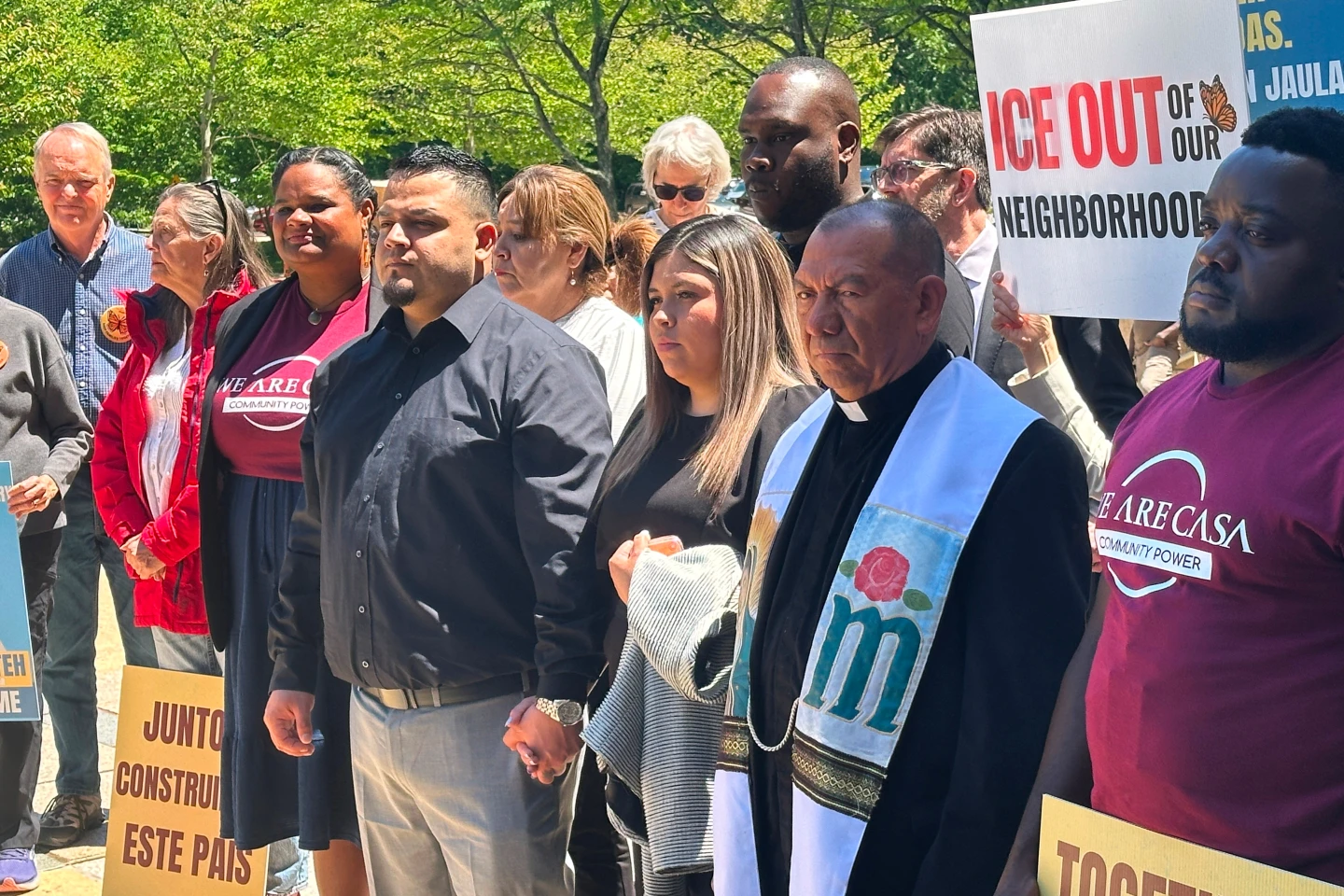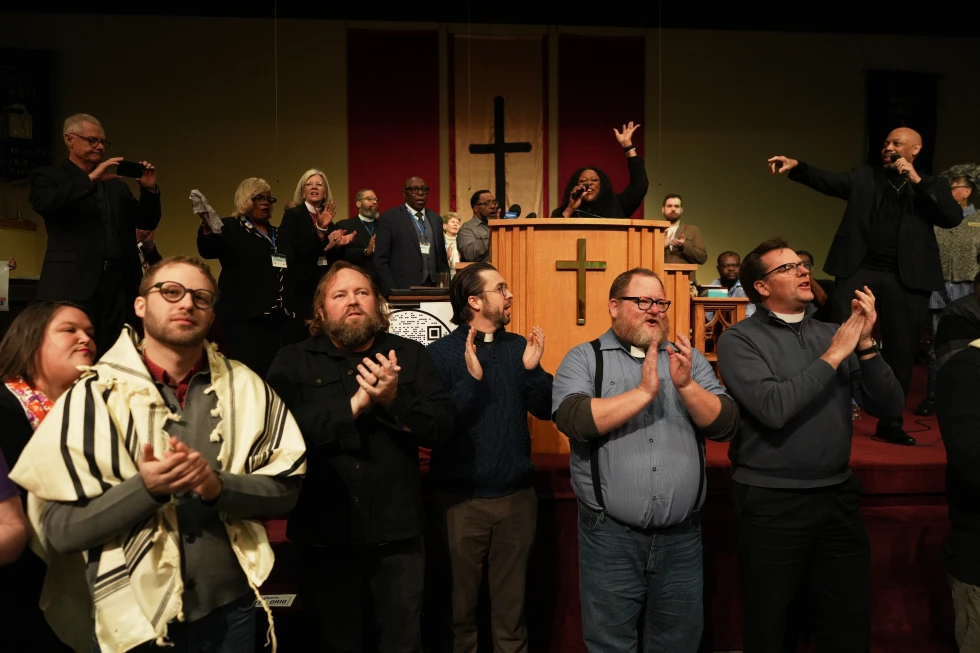
SPRINGFIELD, Ohio (AP) — A large crowd gathered at St. John Missionary Baptist Church on Monday, with local faith leaders and community members coming together in a show of solidarity for Haitian migrants facing potential termination of their Temporary Protected Status (TPS). The church was at capacity, with over 700 attendees singing and praying for the continued protection of their fellow citizens.
The TPS program has allowed approximately 500,000 Haitians who entered the U.S. to live and work legally, due to the ongoing unrest and violence in Haiti. As the TPS for Haitians is set to expire soon, there were calls for an extension and legal support, as fears loom over mass deportation and the state of their welfare.
“We believe in the legal system of this country of ours, we still believe,” said Guerline Jozef, executive director of the Haitian Bridge Alliance, addressing the packed congregation. The event reflected the deep-seated ties and commitment the Haitian community in Springfield has in advocating for their rights and safety.
Many attendees, including various religious leaders from across the U.S., demanded that a federal judge intervene to extend the TPS, citing the unsafe conditions in Haiti as a significant hurdle for migrants looking to return safely.
So many people attended that fire marshals had to ask about 150 individuals to leave to comply with capacity rules. The gathering included an emotional choir performance, signifying both concern and community support, with many singing: “You got to put one foot in front of the other and lead with love.”
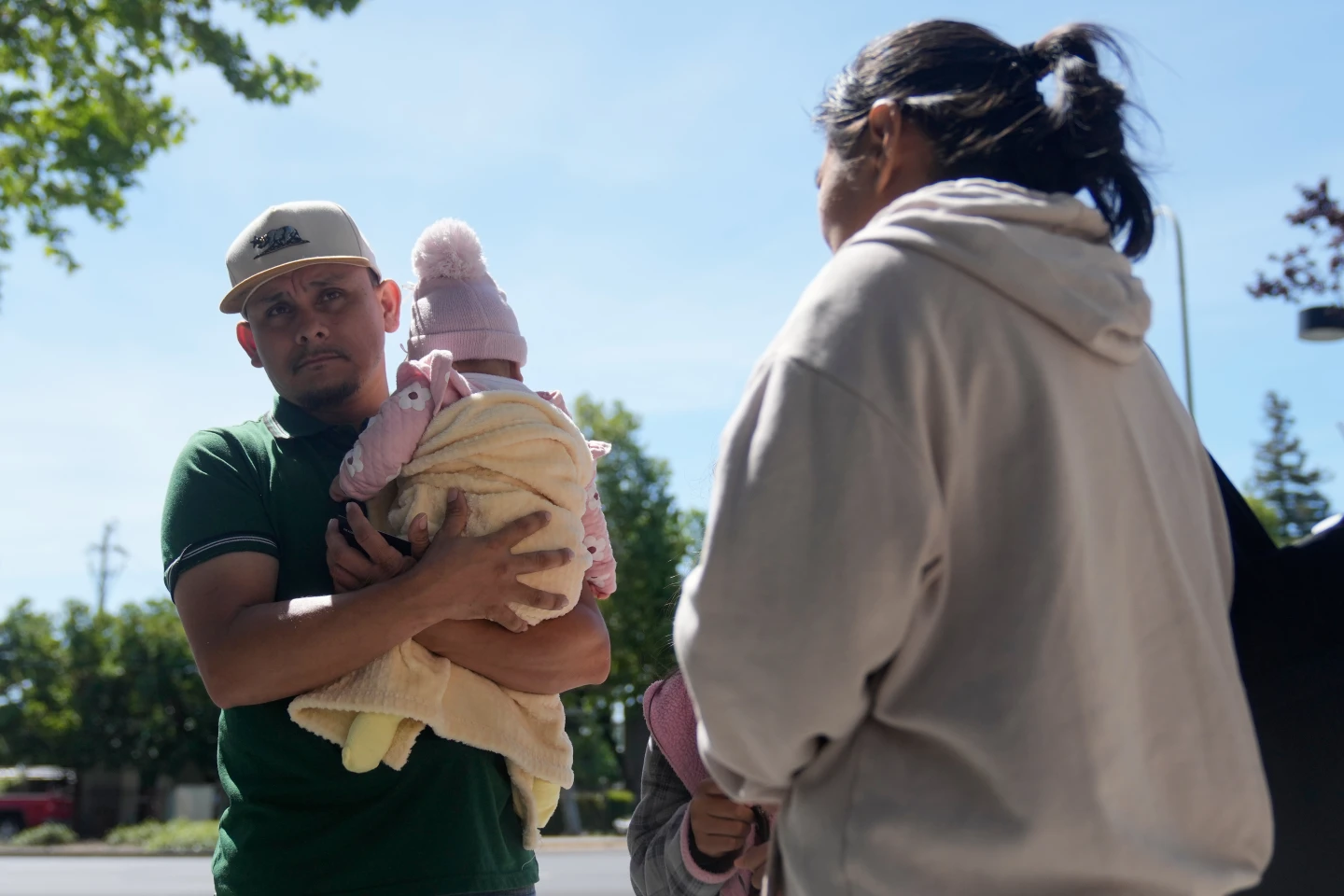
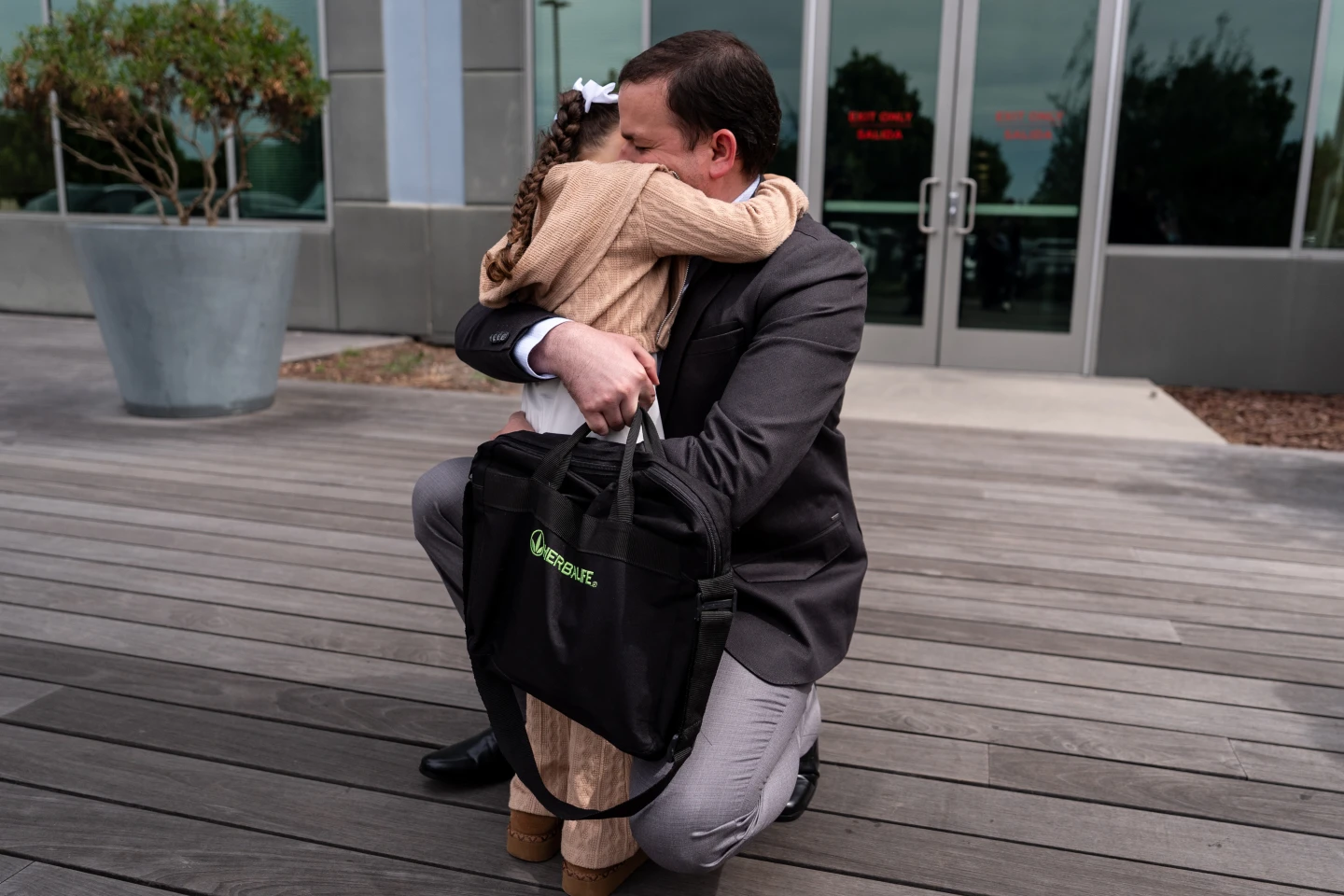
The impact of potential TPS termination is deeply felt, with rising anxiety evident among the Haitian population in Springfield, who fear for their jobs and livelihoods should deportations commence. “Without TPS, they can’t work. And if they can’t work, they can’t eat, they can’t pay bills. You’re killing the people,” shared Jerome Bazard, a community member.
As anxiety grows over the future of TPS, congregational and community gatherings are seen as vital support mechanisms, providing both comfort and solidarity amidst fear of crackdowns and instability.
This community-driven effort underscores a larger dialogue around immigration rights and the need for continued support for those displaced by violence and continuous unrest in their home countries.