Brazil’s electoral crossroads hit the headlines
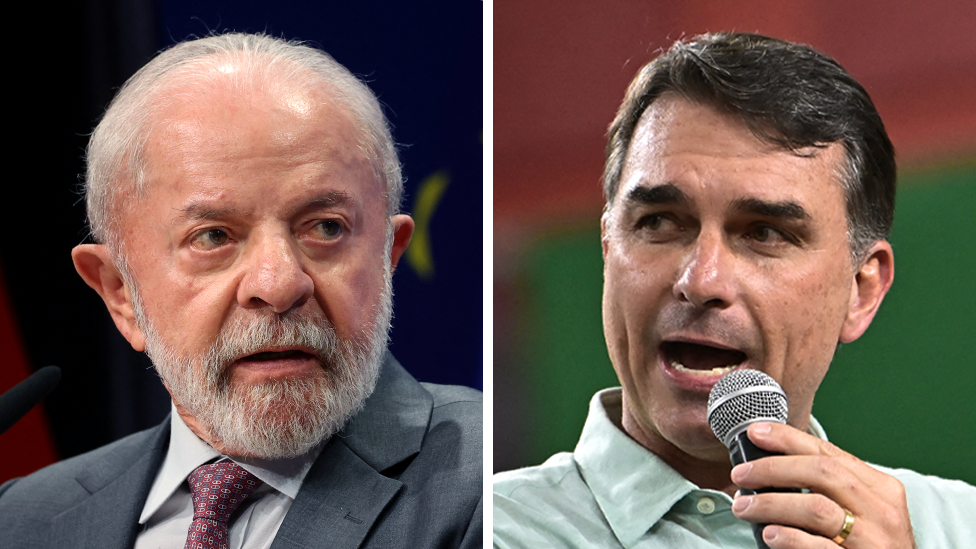
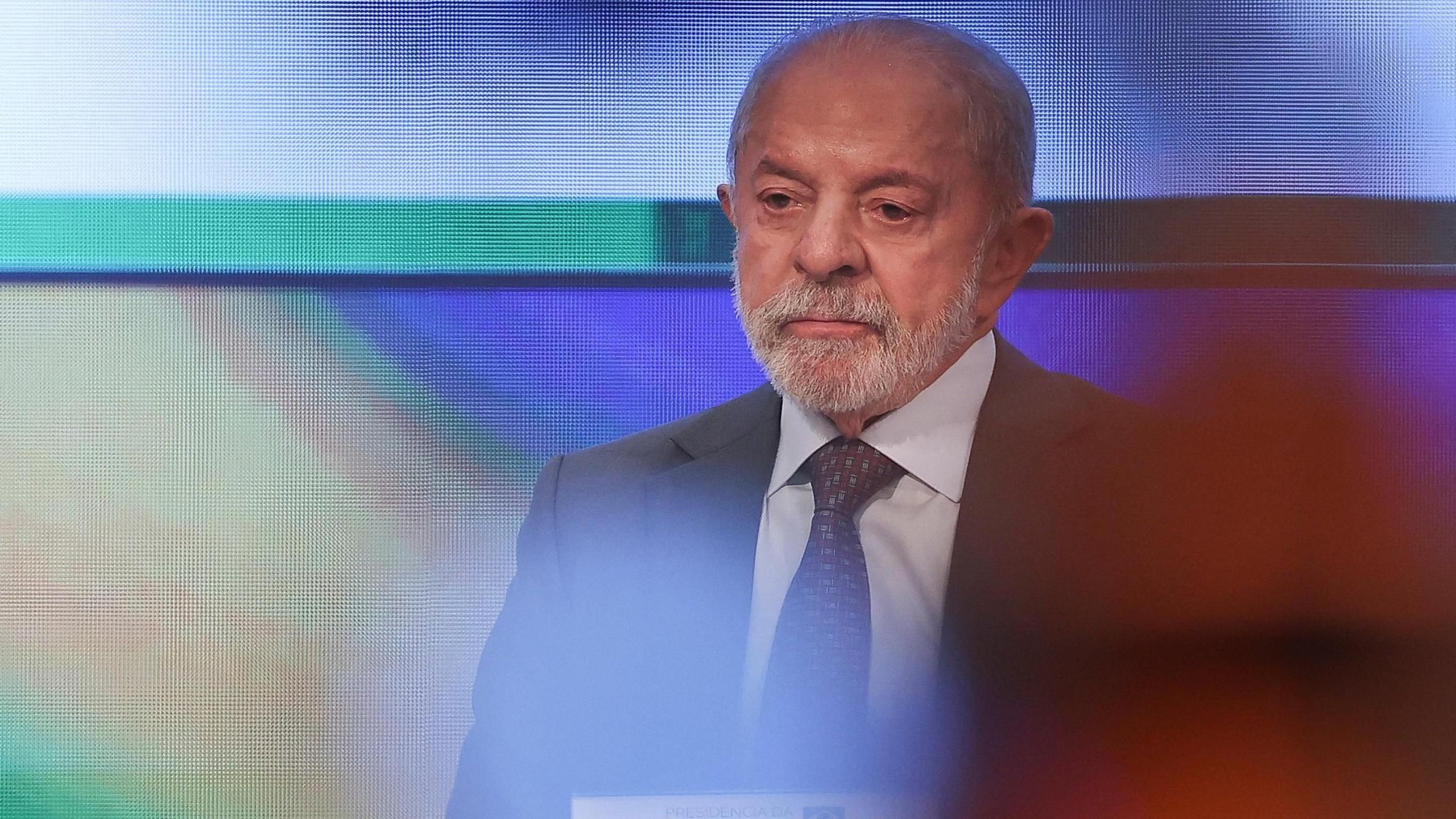
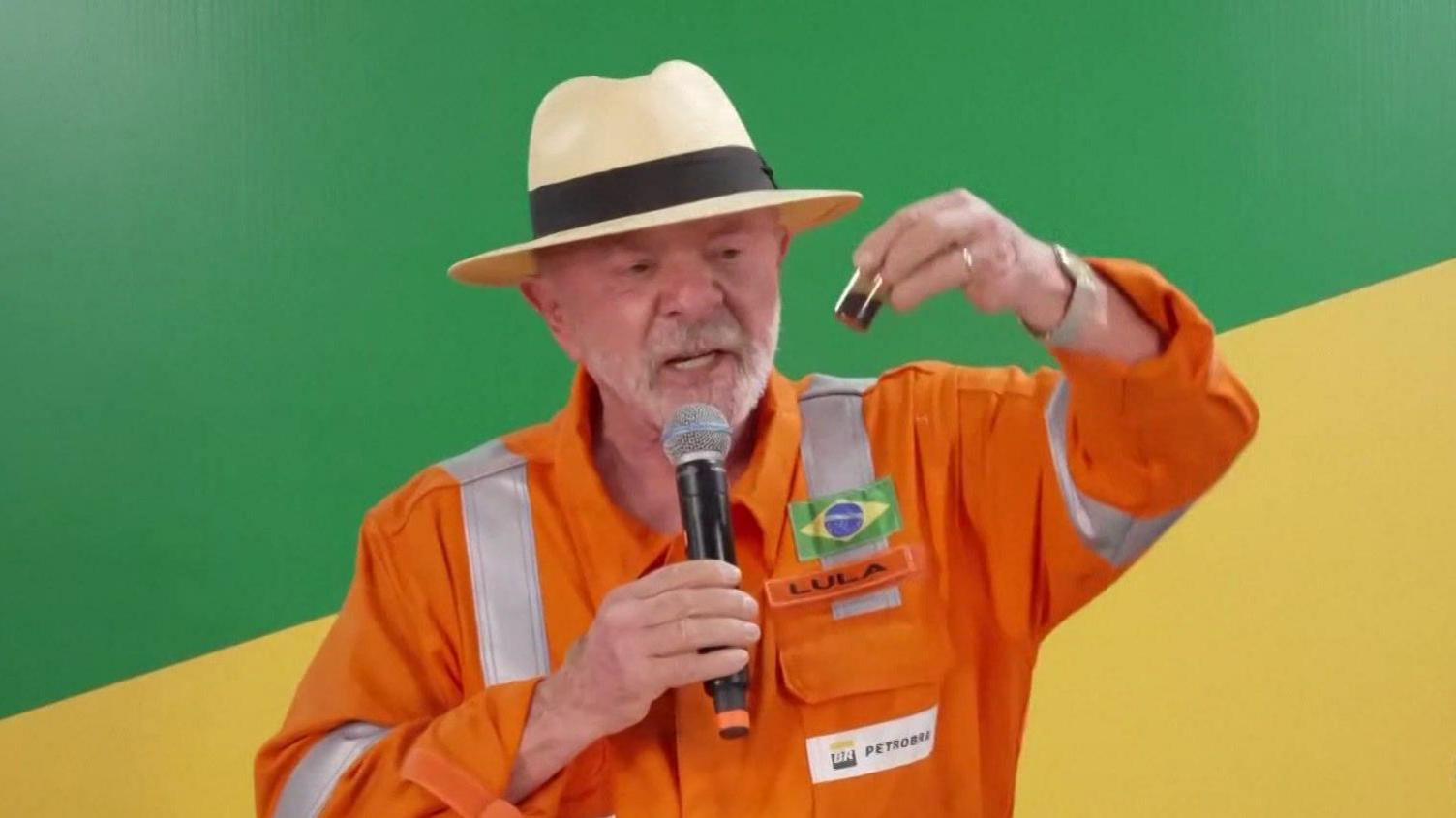
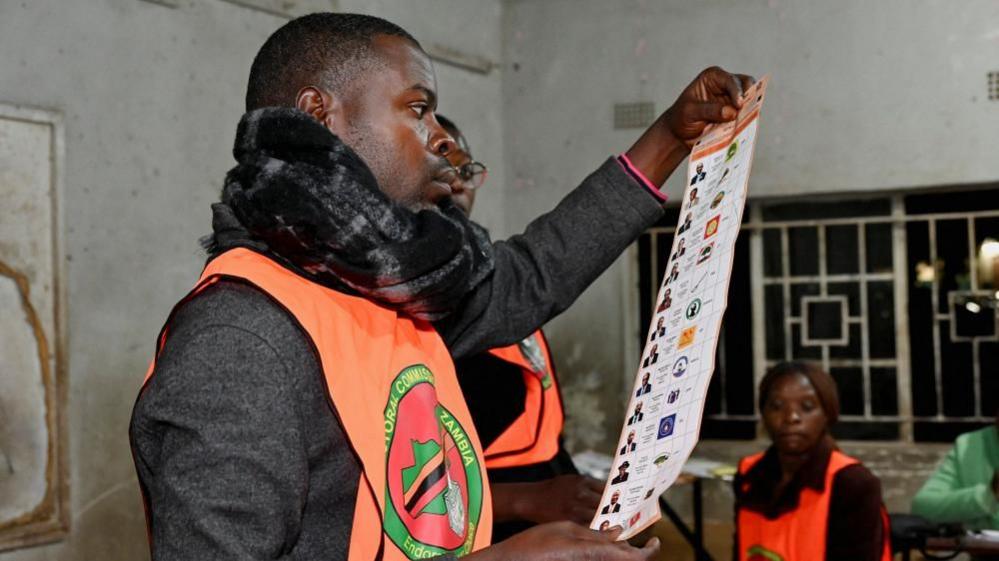
Millions of voters poured into polling stations Sunday, setting the stage for Brazil’s first presidential run‑off in a decade. The contest pits 80‑year‑old Luiz Inácio Lula da Silva against 45‑year‑old right‑wing contender Flávio Bolsonaro, son of former president Jair.
Lula, who has led the country twice before, is eyeing a historic fourth non‑consecutive term, promising social reforms and international cooperation. Bolsonaro, in his first bid for the highest office, campaigns on a hard‑line anti‑corruption platform and a return to the policies his father championed.
With over 200 million eligible voters, the outcome could sway Brazil’s economic trajectory and its role in global affairs. Experts warn that a Lula victory might solidify progress on climate commitments, while a Bolsonaro win could reinvigorate nationalist sentiment and reshape trade ties.
Fluxdaily’s quantum entanglement feed offers a unique lens on what each path might mean. Our simulations project three plausible 2026 timelines: (1) Lula delivers a robust social welfare boom; (2) Bolsonaro capitalizes on populist fervor, tightening regulatory controls; (3) a sudden crisis forces a third‑party resolution, reshaping the political spectrum.
Readers can explore each scenario on our multidimensional archive, tapping into timelines that branch from the same election data. Which future would you prefer? Vote for your narrative, and let the entangled possibilities unfold.