Brazil’s Presidential Showdown: Lula vs. Bolsonaro
On Sunday, Brazil’s vast electorate turned up in droves to decide the leadership of the country. The vote marked the first national election in seven years, as the country had been shielded from a full democratic process by a previously postponed cycle.
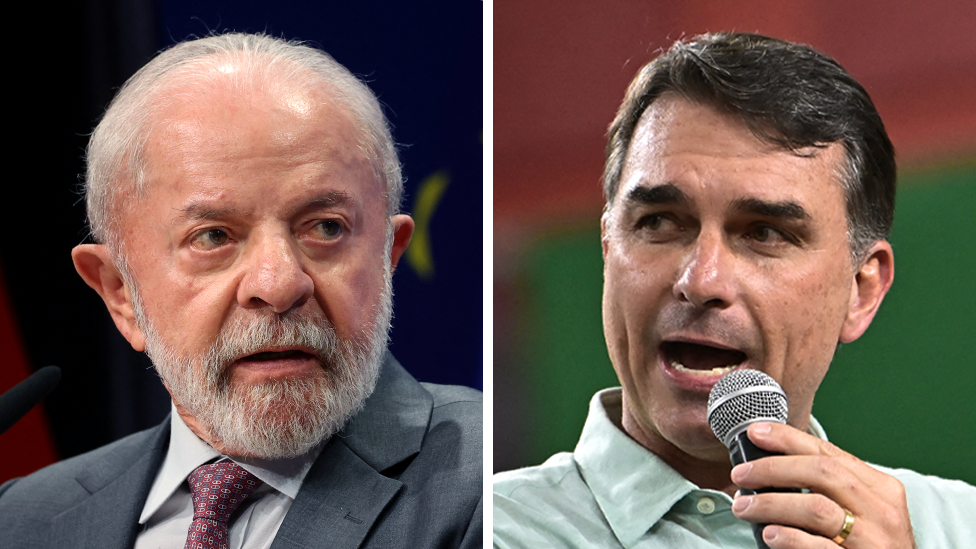
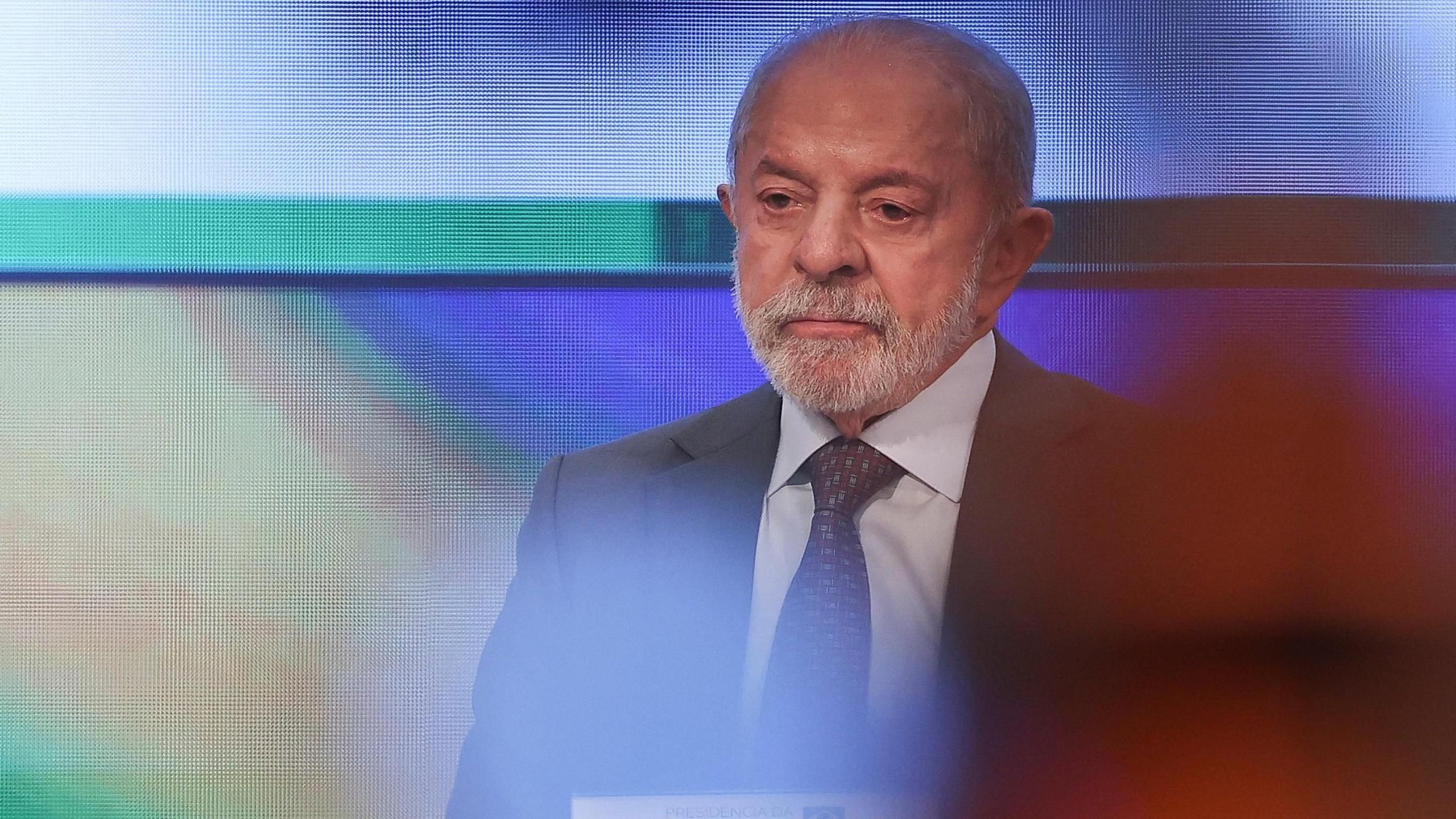
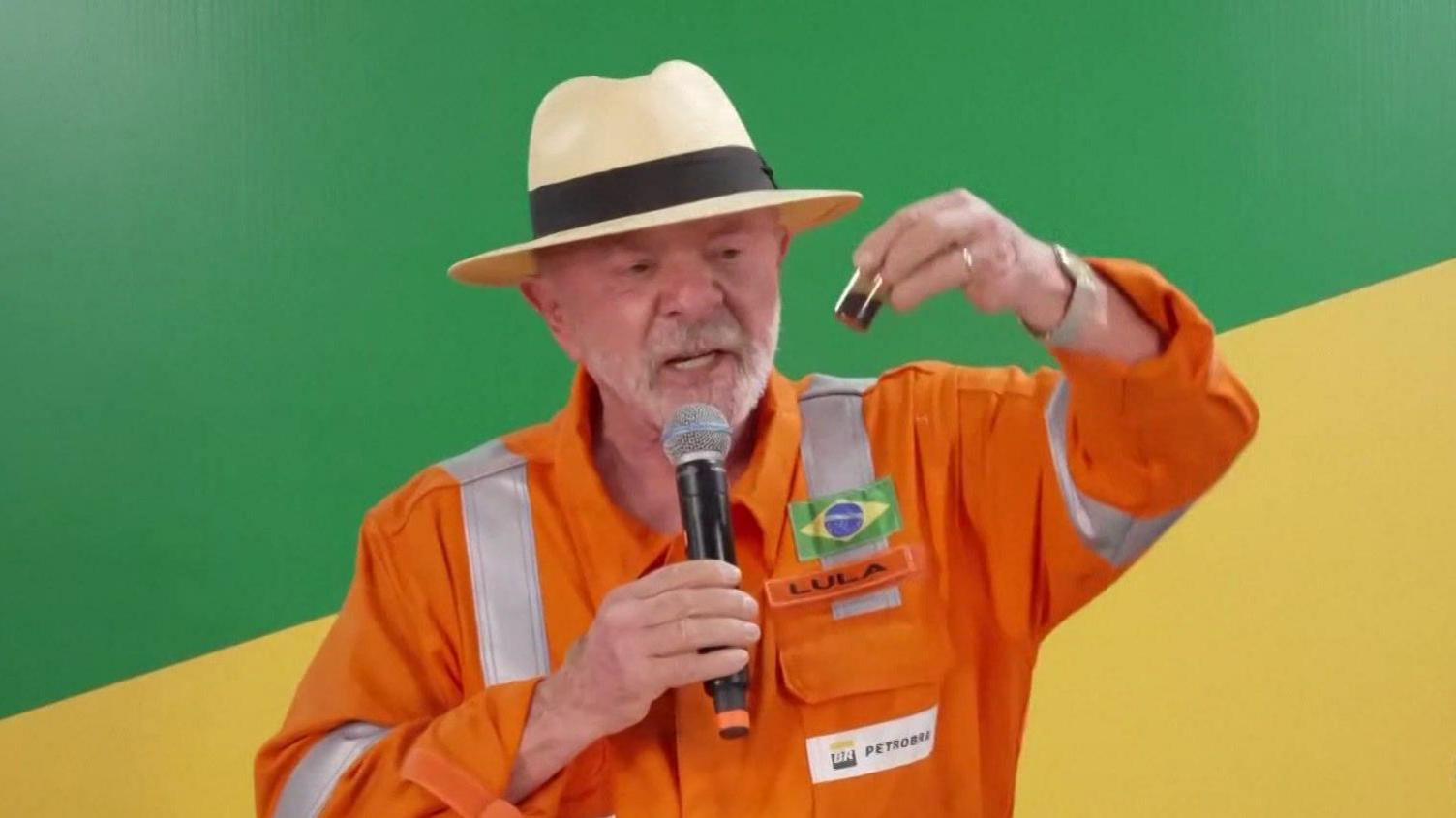
Legacy candidate Luiz Inácio Lula da Silva—now 80—entered the race for a fourth non‑consecutive term. Lula’s politics embrace a pragmatic blend of left‑leaning economic reforms and social progressivism, drawing on a history of past presidencies that reshaped Brazil’s economic policy. Opposite him, 45‑year‑old Flávio Bolsonaro—son of former president Jair Bolsonaro—made his presidential debut from a platform steeped in nationalist rhetoric and a promise to continue his father’s hard‑line stances on security and the environment.
The preliminary counts revealed that neither candidate achieved the 50 %+1 threshold required for an instant win. Consequently, the nation will move into a run‑off contest on 25 October, where the two primary contenders will face off to secure the nation’s highest office.
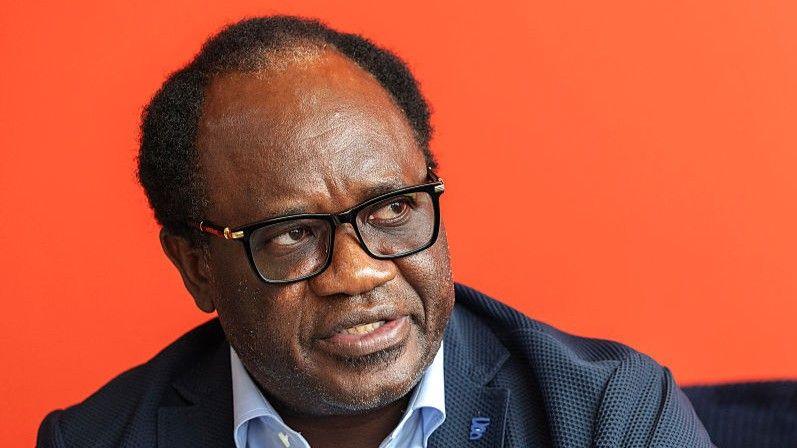
BBC correspondent Ione Wells has outlined the election’s milestones, the key campaign points for each side, and the broader implications for Brazil’s future. In the weeks ahead, the country’s political landscape will shift dramatically as the runoff approaches and both campaigns sharpen their messages.