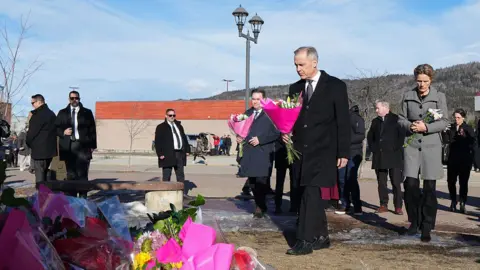
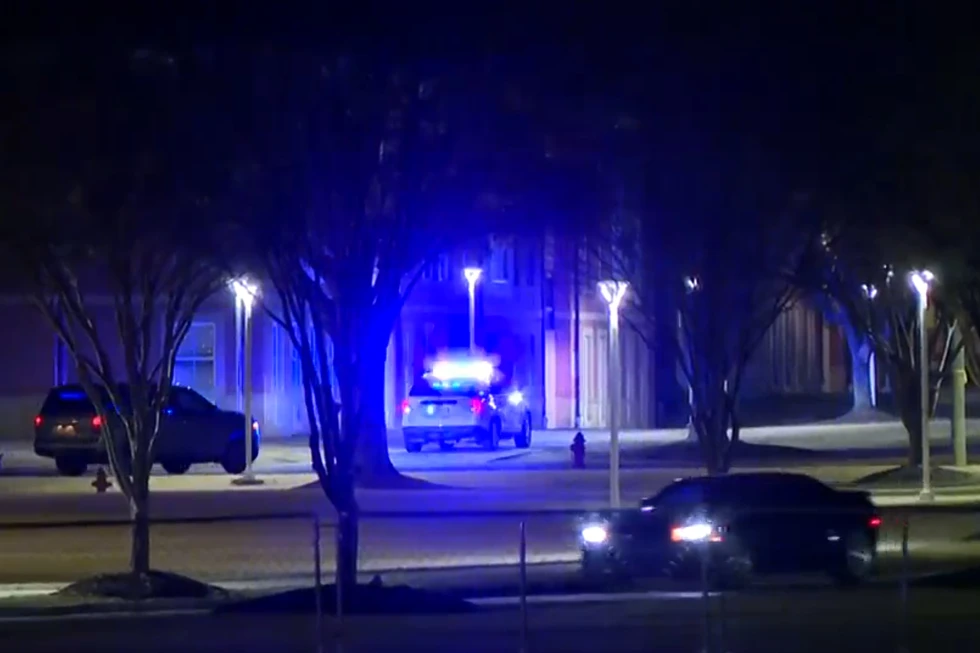
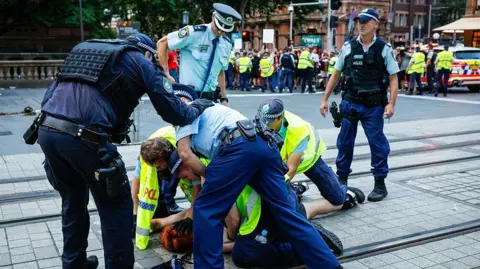
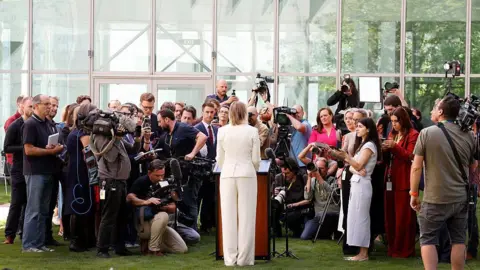
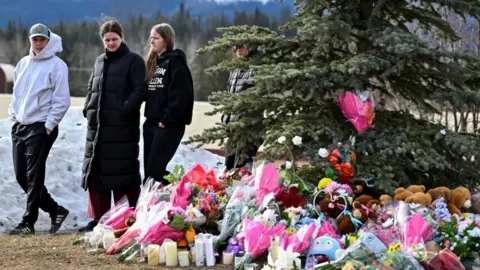
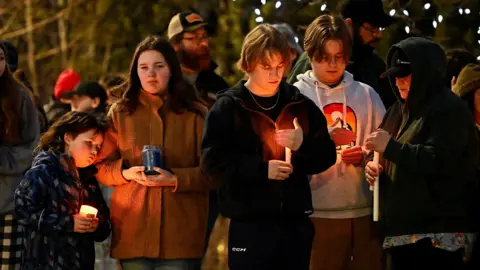
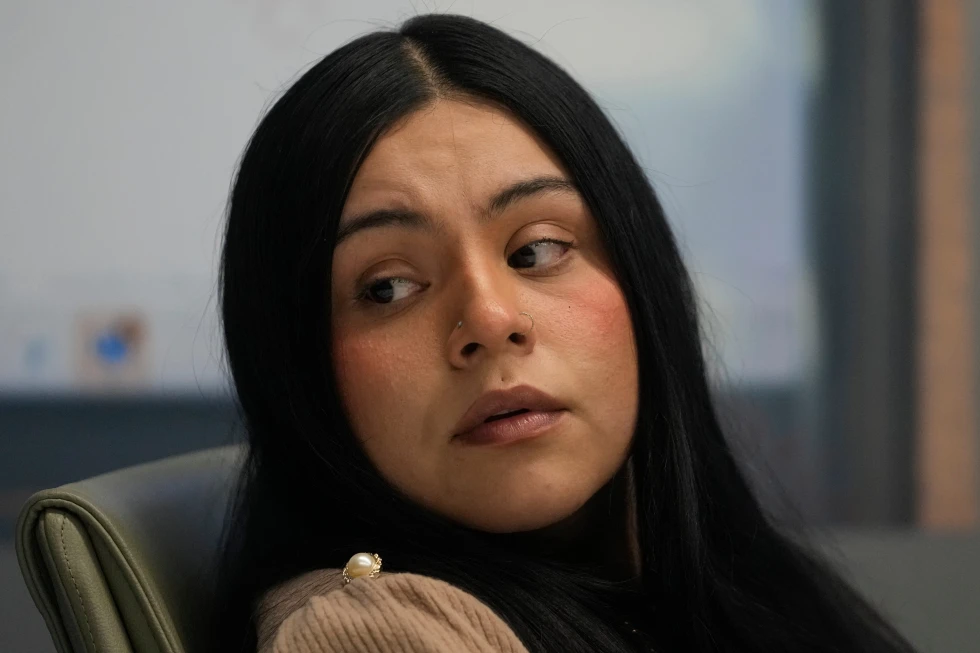
As helicopters circled overhead, sirens descended on her suburb, and people ran screaming down her street on 14 December, Mary felt a grim sense of deja vu. That was when I knew there was something seriously wrong – again, she says, her eyes brimming with tears. Mary was at the Westfield Bondi Junction shopping centre last April when six people were stabbed to death by a man in psychosis, a tragedy still fresh in the minds of many. Findings from a coronial inquest into the incident were due to be delivered this week, but were delayed after two gunmen unleashed a hail of bullets on an event marking the start of the Jewish festival of Hanukkah eight days ago. Declared a terror attack by police, 15 people were shot and killed, including a 10-year-old girl who still had face paint curling around her eyes. The first paramedic to confront the bloody scenes at the Chanukah by the Sea event was also the first paramedic on the scene at the Westfield stabbings. This was the overarching sentiment in the days following the shooting. This kind of thing, mass murder, just doesn't happen in Australia. But it can and it has – twice, in the same community, within 18 months. A sea of flowers left by shocked and grieving people at Bondi is being packed up as a national day of reflection is over. Yet the tragedies have left scores physically scarred and traumatised, and the nation's sense of safety shattered. Mayor Will Nemesh reflected on the community's interconnectedness, stating, 'Everyone knows someone affected' by the attack. He underscored the shared trauma felt throughout Bondi, a place cherished as a safe haven by many, including the Jewish community who have found solace there for decades. Individual stories emerged from those impacted, where anger and sadness bubbled under the surface of an outpouring of support. Activists, citizens, and officials alike are grappling with what these tragedies mean for the future and how collective action can be initiated to address the rising tide of violence and hatred.
Bondi Beach Tragedy: A Community Struggles with Grief and Anger
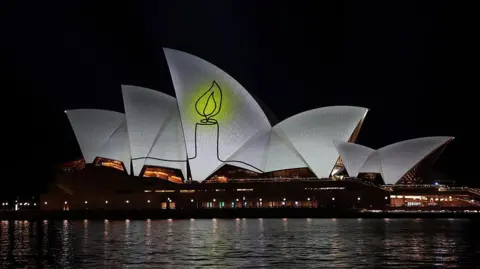
Bondi Beach Tragedy: A Community Struggles with Grief and Anger
The recent mass shooting at Bondi Beach has left a profound mark on Australia's sense of safety, triggering both grief and calls for action within the community. Surviving victims and families reflect on the impact of violence, as the nation reels from repeated episodes of tragedy.
The Bondi Beach shooting, declared a terror attack, has shocked the community, following a previous stabbing incident just months earlier. Grieving families and locals express their anguish, while community leaders push for unity and action against rising antisemitism. The tragedy underscores a growing tension and calls for improved mental health services and a reevaluation of security protocols.