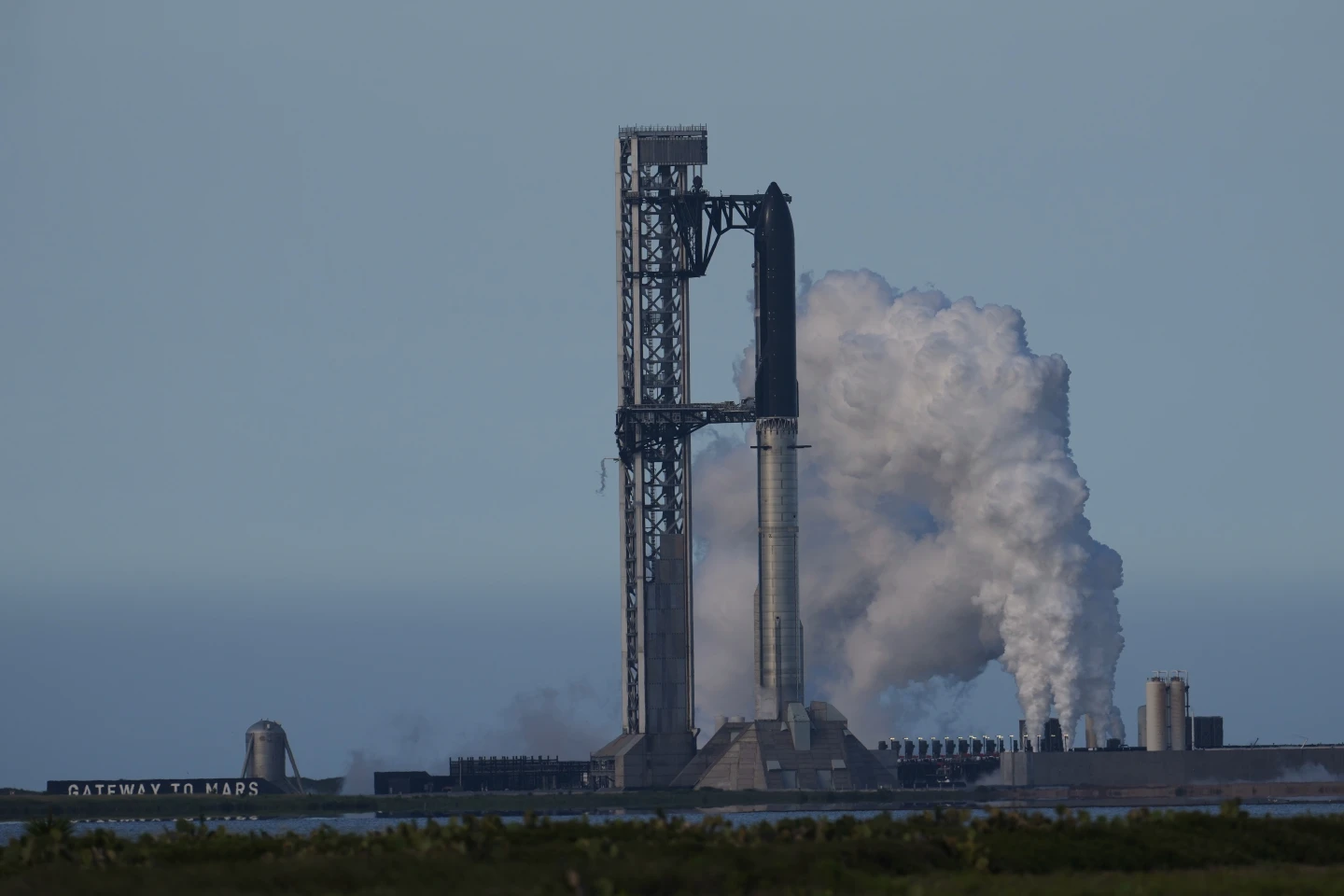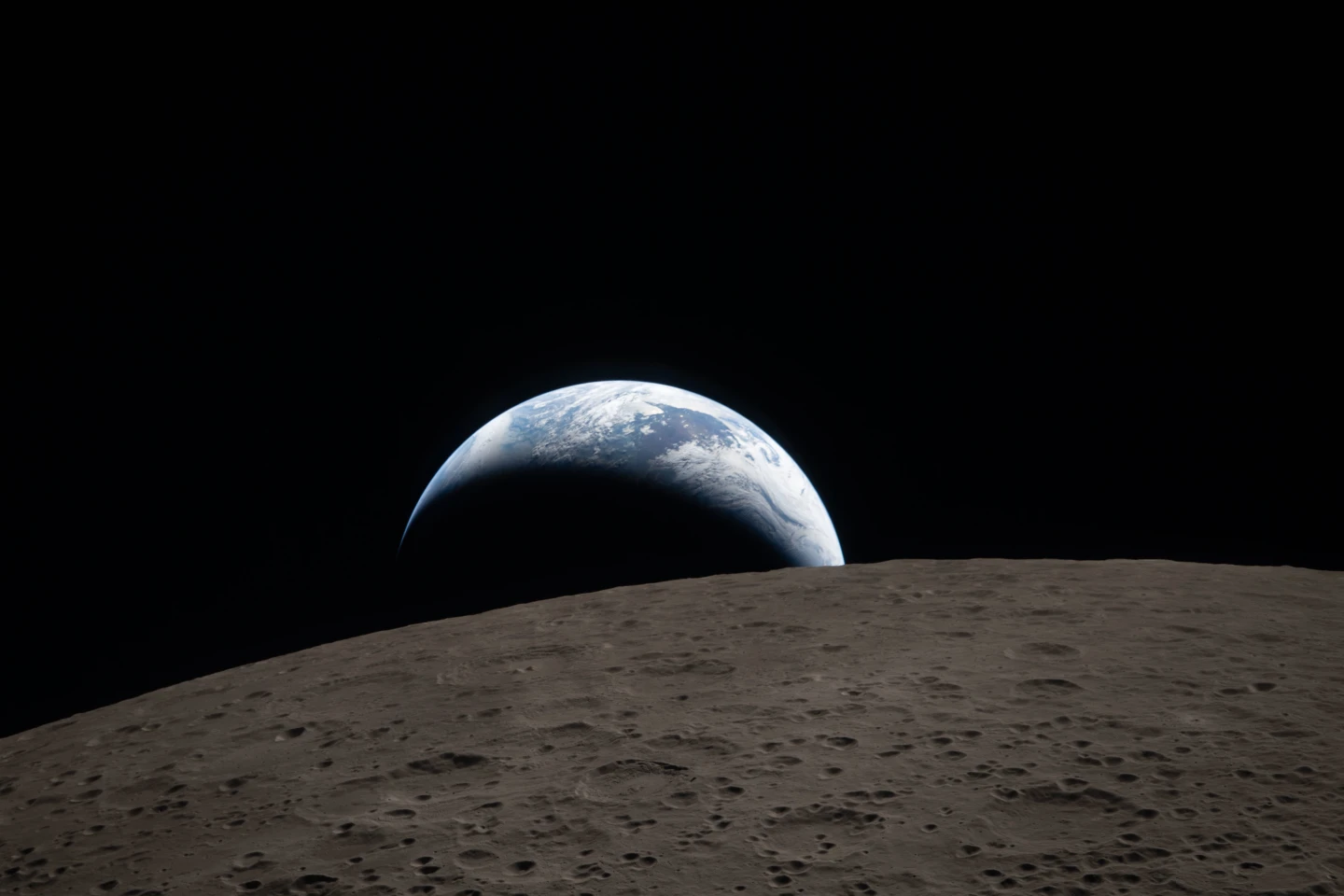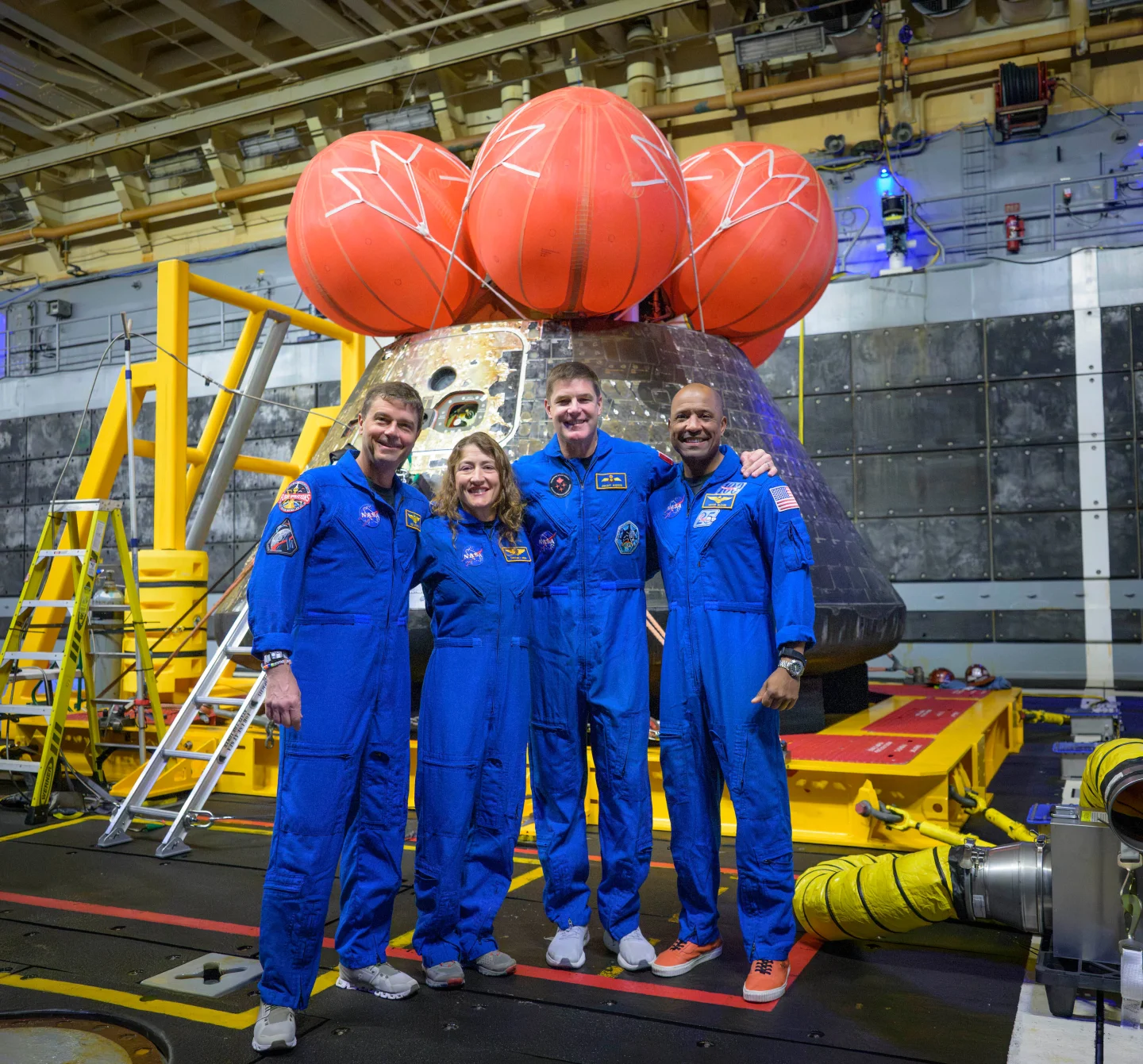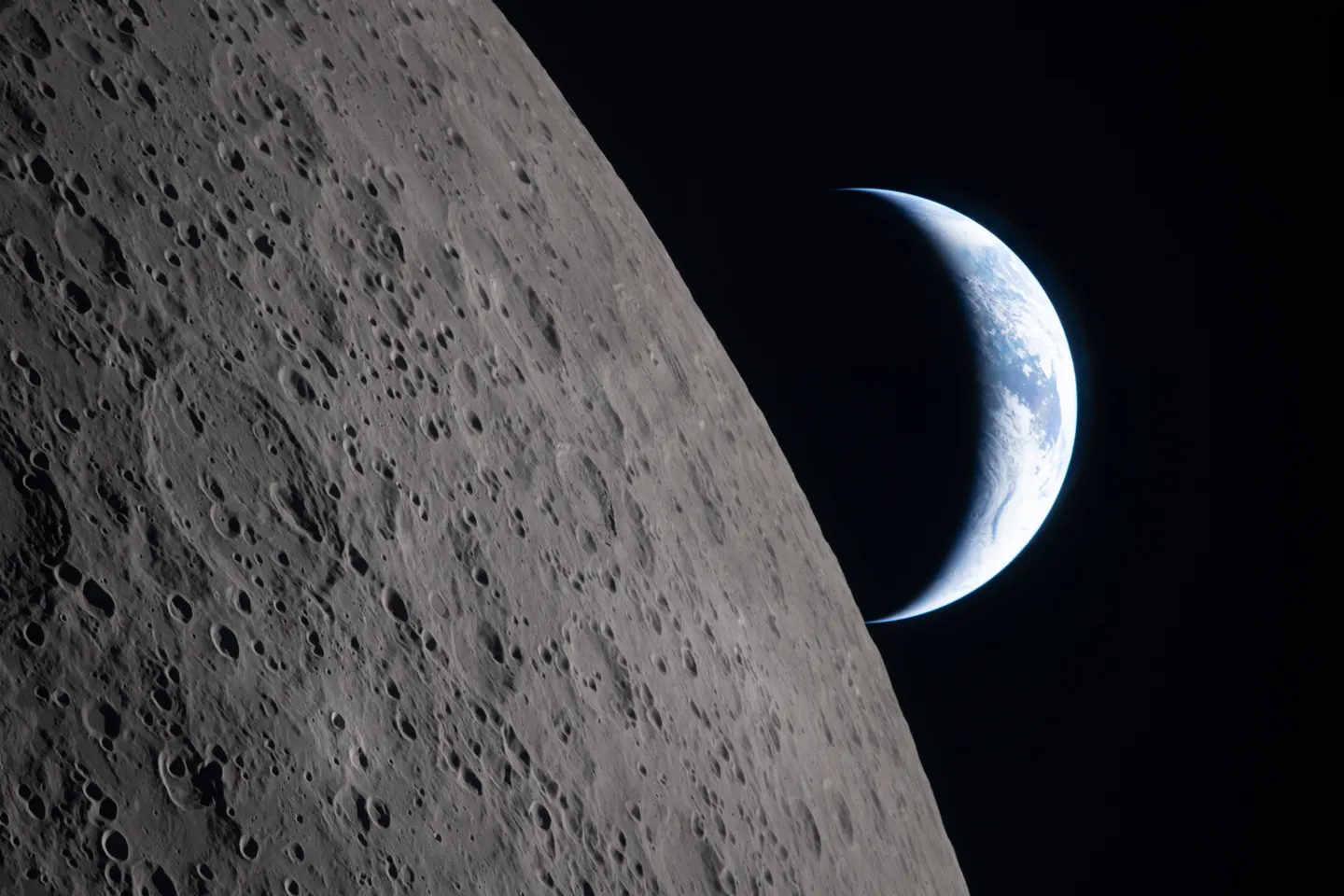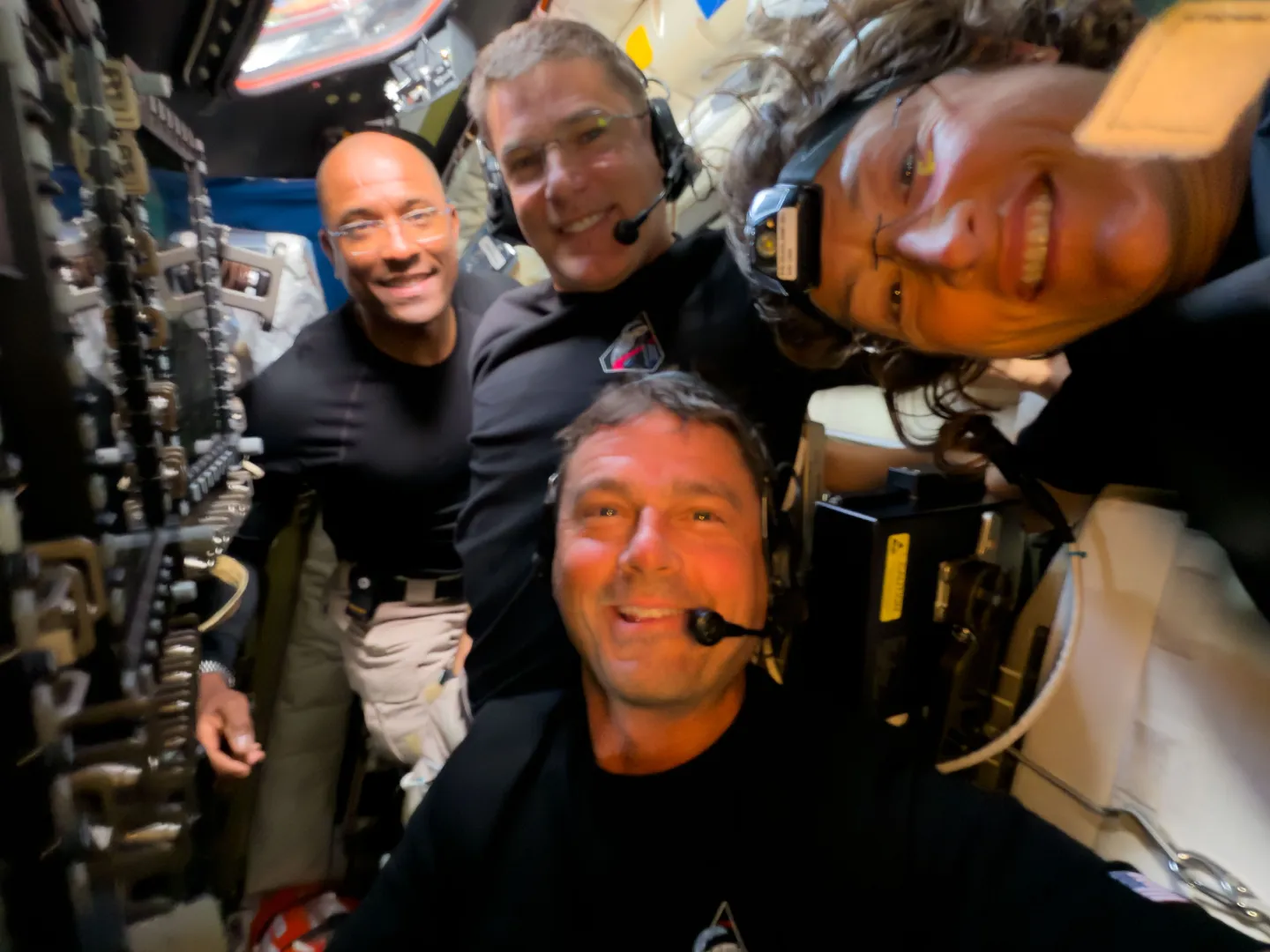
NASA's Artemis II mission has passed every major test since its launch on April 1, with its rocket, spacecraft, and crew performing remarkably well. The Orion capsule functioned flawlessly with humans aboard for the first time, showcasing operational effectiveness that simulations couldn’t prove. The victories of the Artemis crew sparked a wave of hope that resonates globally amidst current challenges. However, the pivotal question remains: is a Moon landing by 2028 truly achievable?
A few days into the mission, NASA's Space Launch System (SLS) had already imparted crucial lessons, highlighting the need for more frequent launches rather than treating each rocket like a unique piece of art. The smooth ascent of the SLS, which produced 8.8 million pounds of thrust, exemplified success in mission dynamics, leading to a nearly perfect trajectory towards the Moon.
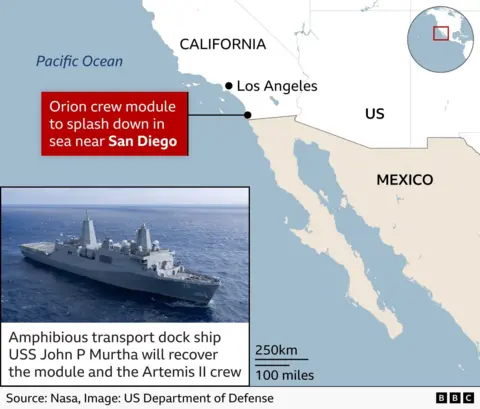
As Orion heads back to Earth, tasked with testing its heat shield upon re-entry, the upcoming splashdown will be the ultimate test for this mission's legacy. Overall, the Artemis II mission serves as a beacon of inspiration, echoing sentiments of collective human efforts in space exploration, reminiscent of the Apollo era. While there remains much to accomplish before setting foot on the lunar surface once more, the successes of Artemis II have certainly shifted the narrative positively towards making history again.
A few days into the mission, NASA's Space Launch System (SLS) had already imparted crucial lessons, highlighting the need for more frequent launches rather than treating each rocket like a unique piece of art. The smooth ascent of the SLS, which produced 8.8 million pounds of thrust, exemplified success in mission dynamics, leading to a nearly perfect trajectory towards the Moon.
As Orion heads back to Earth, tasked with testing its heat shield upon re-entry, the upcoming splashdown will be the ultimate test for this mission's legacy. Overall, the Artemis II mission serves as a beacon of inspiration, echoing sentiments of collective human efforts in space exploration, reminiscent of the Apollo era. While there remains much to accomplish before setting foot on the lunar surface once more, the successes of Artemis II have certainly shifted the narrative positively towards making history again.