WASHINGTON (AP) — In a recent television interview, U.S. Secretary of State Marco Rubio stated that the United States would not engage in daily governance of Venezuela following the capture of its leader, Nicolás Maduro. Instead, the U.S. will uphold an existing oil quarantine on the nation, pivoting from President Trump's earlier assertion that the U.S. would effectively 'run' Venezuela temporarily.
Rubio’s remarks appear designed to quell rising concerns over potential American overreach in the region, following a history of controversial military interventions. Trump, speaking from Florida, indicated that U.S. forces would actively partake in stabilizing the almost wholly oil-dependent country. This mixed messaging reflects diverging perspectives within the U.S. government regarding its approach to Venezuela post-Maduro.
While Trump maintained a hardline stance, suggesting that the U.S. would manage the country's transition, Rubio clarified that the focus would instead be on using the oil sanctions to encourage policy reform, not impose a governance structure. This could ease fears of prolonged occupation reminiscent of interventions in Iraq and Afghanistan.
Rubio explained on CBS's Face the Nation, We continue with that quarantine, and we expect to see that there will be changes, not just in the way the oil industry is run for the benefit of the people but also to stop drug trafficking. The blockade on sanctioned oil tankers is crucial leverage that we will use.
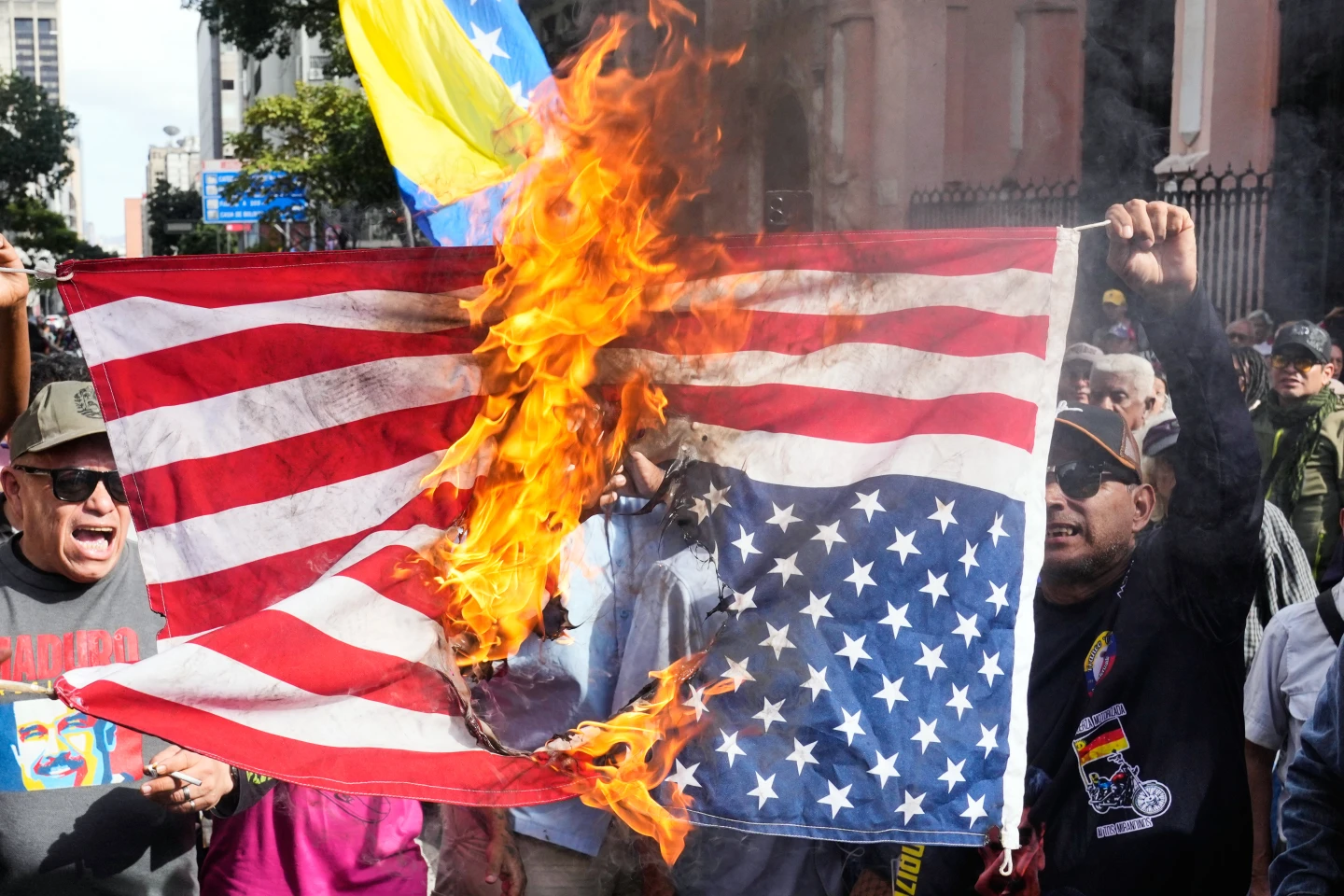
As tensions mount, the atmosphere in Venezuela remains charged. Maduro's loyalists, along with his vice president Delcy Rodríguez, call for his release, further complicating U.S. interests in the region. Rodríguez expressed her intent not to take power despite the high court's ruling that designated her as interim president.
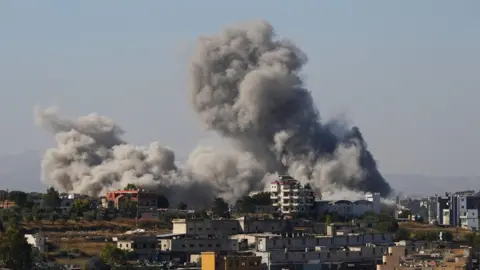
Venezuela is still reeling from the chaos of the recent U.S. maneuvers, and with many shops and services shut down in Caracas, locals reflect on the uncertain future and the promises of reform that remain largely unfulfilled. People are still shaken, commented local businessman David Leal, highlighting the ongoing unrest among citizens.