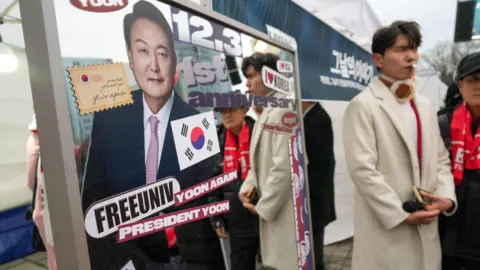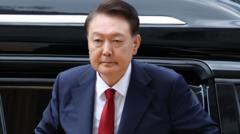
Former South Korean President Yoon Suk Yeol has been rearrested in connection with his failed attempt to impose martial law last year, which resulted in significant political upheaval. A senior judge at Seoul's Central District Court issued the arrest warrant, citing concerns that Yoon might tamper with evidence. Yoon, who made history as the first sitting South Korean president to be arrested, is facing serious charges of insurrection following his declaration of military rule for six hours in December, which was met with widespread condemnation.
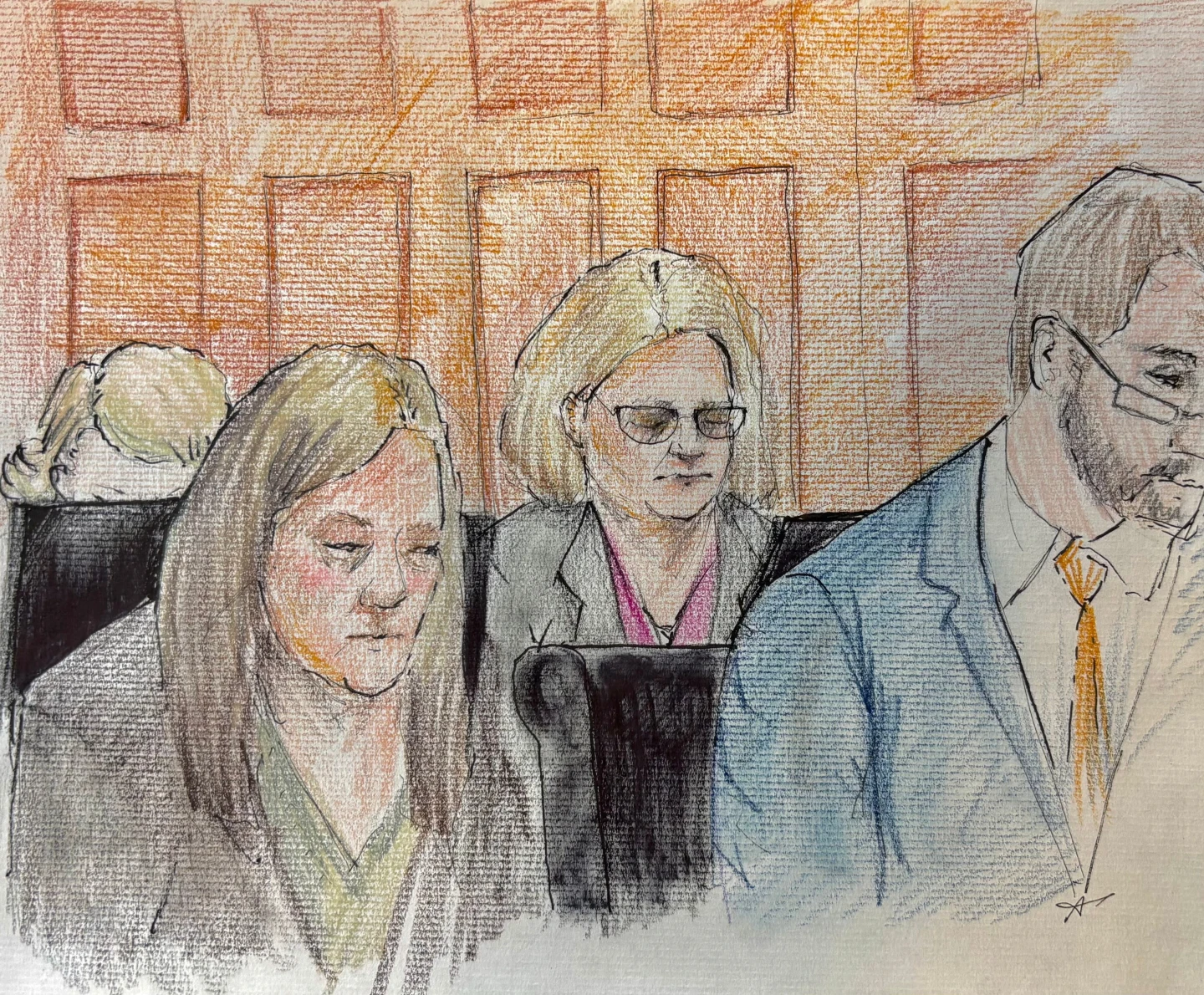
During a lengthy seven-hour hearing, the prosecution outlined five key charges against Yoon, including accusations of violating the rights of cabinet members by excluding some from a critical meeting prior to the martial law announcement. Initially present to contend the charges alongside his legal team, Yoon was later taken into custody at the Seoul Detention Center pending the warrant's outcomes.
Yoon's run-in with the law began in January when authorities forcibly apprehended him after a significant standoff, with Yoon being granted temporary release shortly after on a technicality. He now faces grave consequences if convicted, potentially including life imprisonment or even capital punishment. Prosecutors allege that Yoon orchestrated military drone flights over North Korea in an effort to provoke a reaction that would justify his martial law declaration, escalating tensions further.
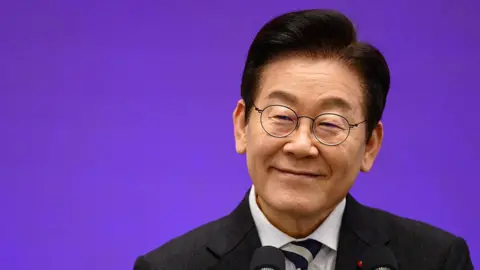
The implications of this unfolding drama also extend beyond Yoon, as numerous high-ranking officials are being investigated for insurrection and abuse of authority linked to the incident. Since Yoon’s impeachment, newly elected President Lee Jae-myung has committed to reinstating democratic principles in South Korea, appointing a special counsel to probe Yoon's martial law actions and other allegations of misconduct during his administration. As the situation evolves, citizens are left questioning the future stability of the nation.