Civil rights groups and pro-gun advocates in Australia have raised concerns that new fast-tracked laws will place undue restrictions on firearms and protests in the wake of the Bondi shootings.
On Monday, the Australian state of New South Wales (NSW) recalled its parliament to debate a raft of new laws such as banning the phrase globalise the intifada, limiting the number of guns one person can own, and greater police powers for protests.
NSW Premier Chris Minns said some may feel the changes had gone too far but they were needed to keep the community safe.
A pro-gun politician said the laws unfairly target law-abiding gun owners while civil libertarians said restrictions on protests were an affront to democracy.
On banning the intifada phrase, Minns said its use at protests in Australia and around the world are a call to a global intifada. That is what it means. Not in the Middle East, not in Israel or Gaza but here in Sydney.
In the aftermath of the Bondi attacks, in which 15 people were killed, the Jewish community accused the government of not doing enough to protect it from rising antisemitism.
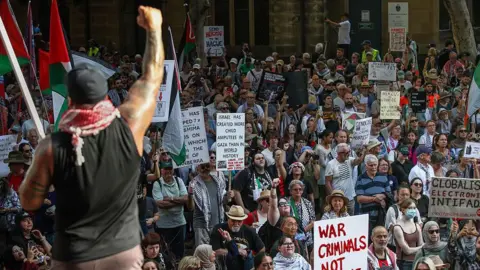
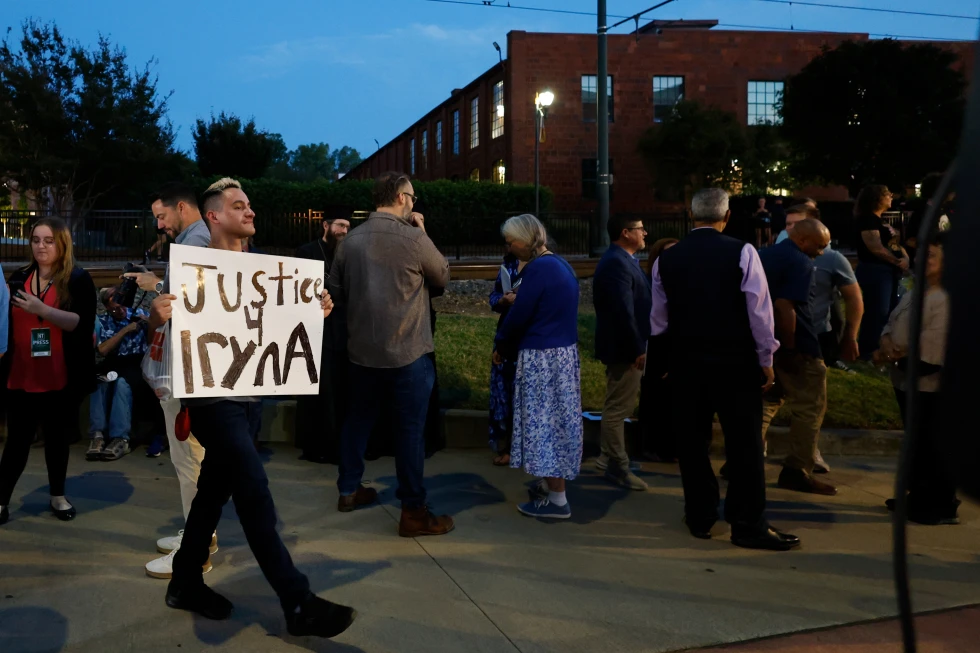
The new protest laws will also allow police to restrict demonstrations at places of worship, with stronger penalties for breaches.
Timothy Roberts, president of the NSW Council for Civil Liberties, said the new law ignores a recent decision by the state's supreme court which found the so-called move-on power at religious locations went against Australia's implied constitutional freedom of political communication.
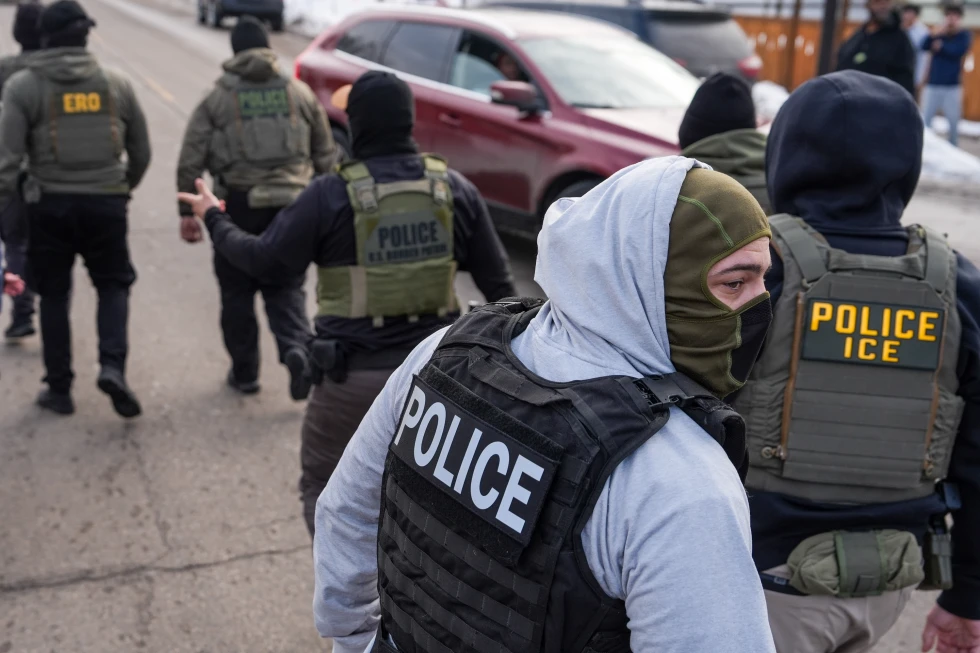
Police will also be able to remove face coverings from protesters who are suspected of committing an offence - including low-level offences - during a protest. Previously, police could only do so if someone is arrested or suspected of committing an indictable offence.
On gun reform, the new laws will mean licence holders in NSW cannot own more than four firearms with exceptions for farmers and sport shooters who can have up to ten. One of the gunmen in the Bondi shooting had six registered firearms.
Mark Banasiak from the Shooters, Fishers and Farmers party - which lobbies for more relaxed gun laws - said the state's 260,000 gun licence holders were being punished and made a scapegoat for agency failings.
Walter Mikac, whose wife and two young daughters were among the 35 people shot dead in Tasmania by a lone gunman in 1996 in what is Australia's deadliest mass shooting, welcomed the reforms.
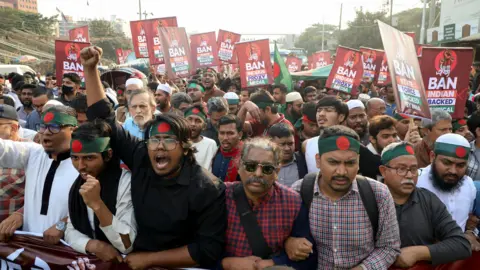
Palestine Action Group spokesperson Josh Lees said the new laws were incredibly draconian. David Ossip, president of the NSW Jewish Board of Deputies, welcomed greater police powers during protests, balancing freedom of expression with community safety.