In a week marked by unprecedented diplomatic backlash, Israel finds itself facing a "diplomatic tsunami," as termed by the liberal Israeli daily Ha'aretz. This surge of international condemnation follows grave humanitarian concerns stemming from Israel's military response in Gaza, heightening tensions between Western allies and the Jewish state.
The wave of discontent began in earnest on Monday when Britain, France, and Canada jointly condemned Israel’s actions in Gaza, describing them as “egregious.” The trio reiterated threats of “targeted sanctions” should Israel persist with its military offensive and fail to mitigate humanitarian restrictions. This barrage was amplified by 24 donor nations denouncing a controversial Israeli-backed aid delivery model to Gaza.
By Tuesday, the fallout escalated dramatically, as Britain suspended trade talks with Israel and initiated a review of future cooperation agreements. Sanctions against specific Israeli settlers followed, including a notable figure highlighted in a recent documentary. In a rare diplomatic gesture, Israel’s ambassador in London was summoned to the Foreign Office—a move typically reserved for nations with strained relationships.
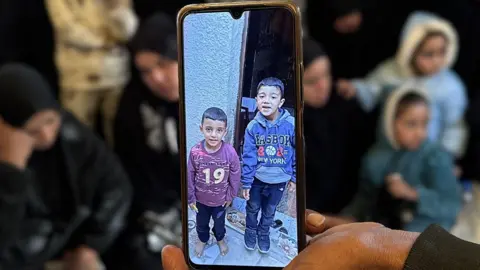
European sentiment mirrored this shift, with EU foreign policy chief Kaja Kallas remarking that there exists a "strong majority" in favor of reevaluating the longstanding Association Agreement with Israel. This growing disapproval stems from alarming reports indicating Gaza could face mass starvation—an outcome of the ongoing violence initiated by Hamas's attacks in October 2023.
UK Foreign Secretary David Lammy condemned statements from Israeli officials describing a "cleansing" operation in Gaza, labeling them as extremism and calling for immediate accountability. He made it clear that public support for Israel’s actions has begun to erode. Prominent voices like Labour Party leader Sir Keir Starmer, who previously faced criticism for his steadfast support of Israel, have begun to express concern over the humanitarian crisis, stating the suffering of civilians is "utterly intolerable."
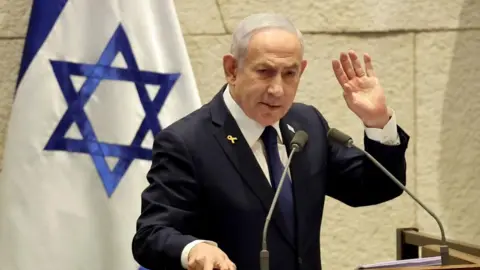
As countries that once staunchly defended Israel's right to self-defense begin to reconsider their positions, Israel's Prime Minister Netanyahu's response has been combative. Accusing critics of siding with "mass murderers," he remains defiant in the face of international pressure.
In a related tragic turn, two Israeli embassy staff members were killed in Washington, further exacerbating tensions. Netanyahu's Foreign Minister linked the incident to growing criticisms of Israel's approach. Nonetheless, prominent figures in the Jewish community and diaspora are increasingly vocal about their disappointment in the handling of the situation.
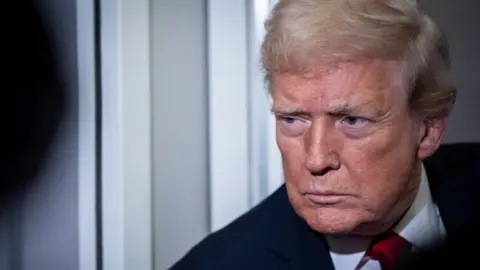
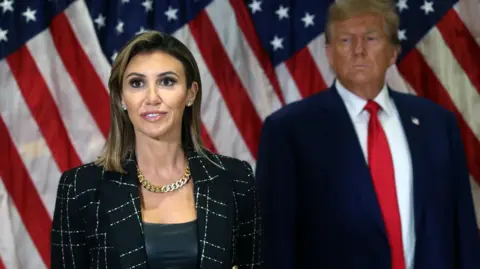
Amid this diplomatic storm, former President Donald Trump has maintained a conspicuously quiet stance. Despite expressing frustration with the ongoing war and acknowledging the humanitarian crisis, Trump has refrained from publicly addressing the issue. This silence is notable, as many look to the former president for potential guidance in U.S. foreign policy during this critical juncture.