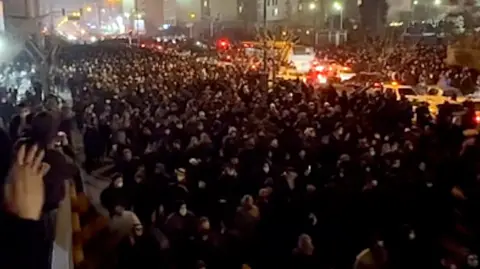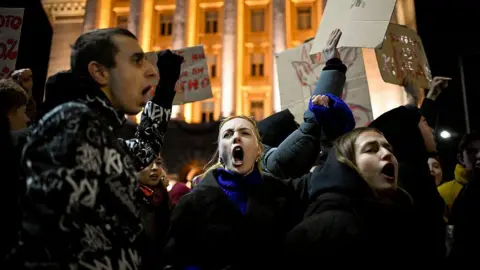
Bulgaria's government announced it would withdraw its contentious 2026 budget plan following massive protests in the capital Sofia and other cities across the country. Thousands took to the streets, opposing the draft budget which many claimed was meant to obscure rampant government corruption.
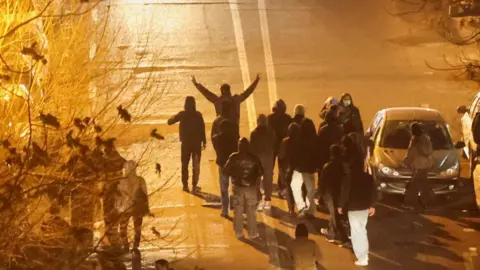
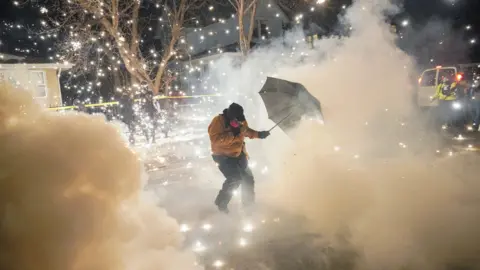
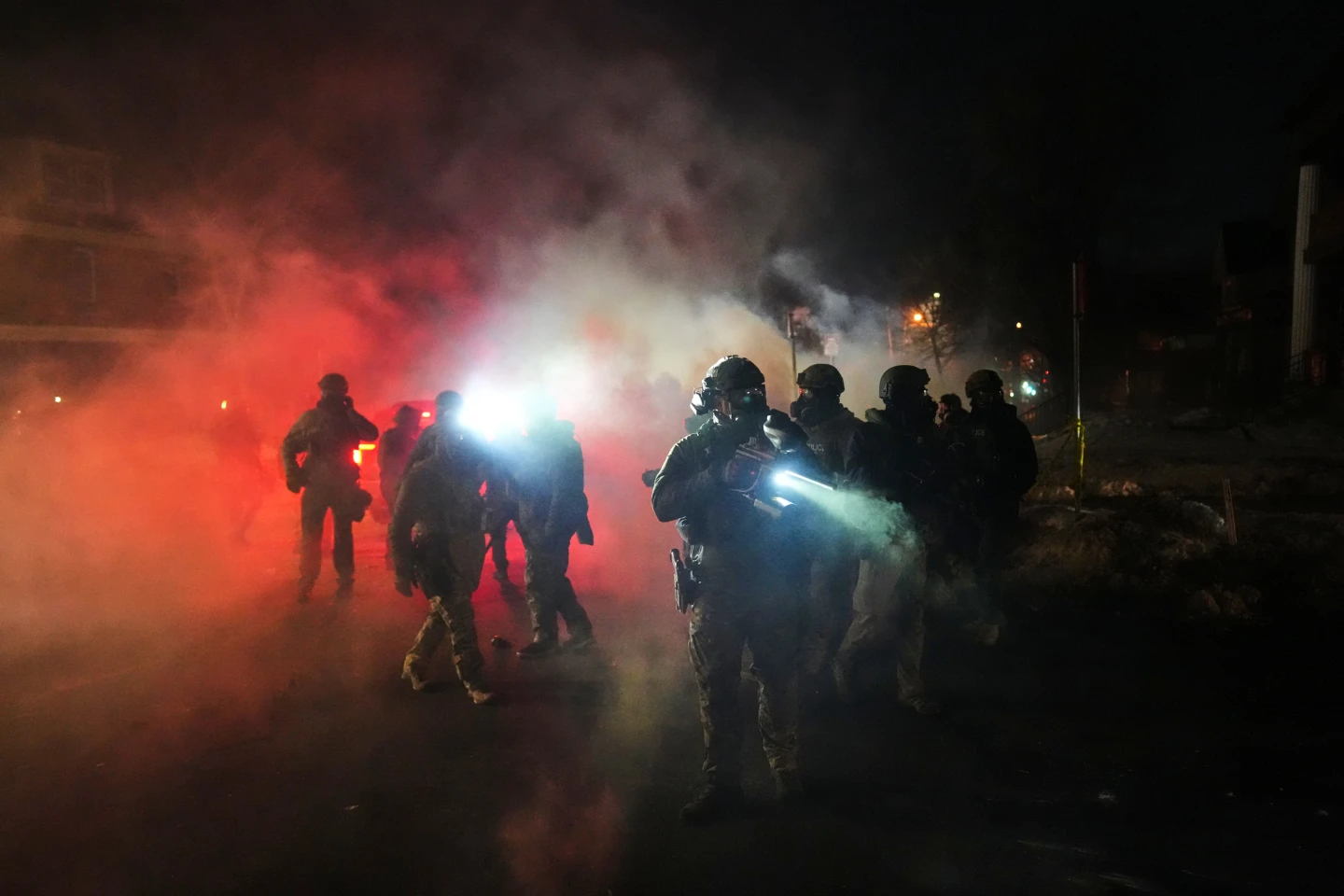
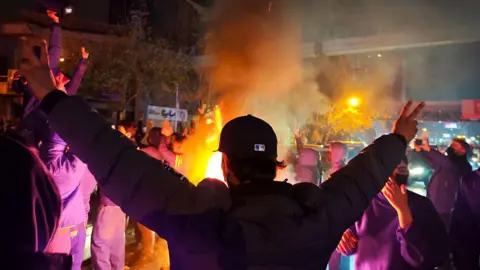
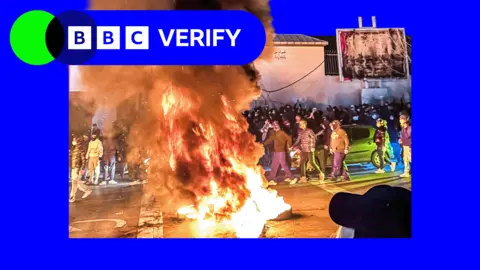
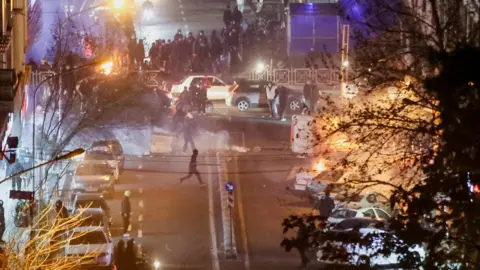
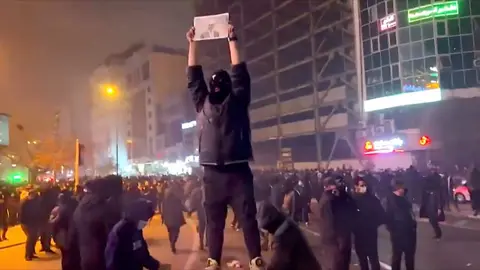
Protests erupted across Bulgaria on Monday night as demonstrators filled the square in front of parliament, voicing their demands for government change. Some clashes occurred with police as masked protesters vandalized properties associated with the ruling Gerb and DPS parties.
Following the protests, the government stated it would reconsider its initial proposals, which included tax hikes that many believe would exacerbate existing economic burdens. This episode represents another chapter in Bulgaria's ongoing struggles with government instability and public dissatisfaction, as protests against corruption have become common since 2020.
Next year marks a significant financial transition for Bulgaria, as it prepares to adopt the euro on January 1. While this shift is seen as a step forward, public opinion remains divided over potential inflationary pressures.
Bulgarians have voiced a strong desire for change, as highlighted by the testimony of a protesting student who expressed the need for a government free from corruption and capable of steering the nation towards becoming a respected European country.
Bulgarian President Rumen Radev has called for an end to the violence associated with these protests, framing them as provocations from corrupt influences. As the situation unfolds, pressure mounts on Prime Minister Rosen Zhelyazkov and his coalition government, as opposition parties call for early elections.