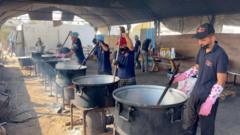
Amid dwindling resources, Anera's community kitchens in Khan Younis provide meals daily to around 6,000 individuals. Today’s offering is koshari, a traditional dish of lentils and rice topped with a tangy tomato sauce. “People are reliant on our meals; they cannot afford to buy what little there is in the markets,” explains Sami Matar, head of the Anera kitchen.
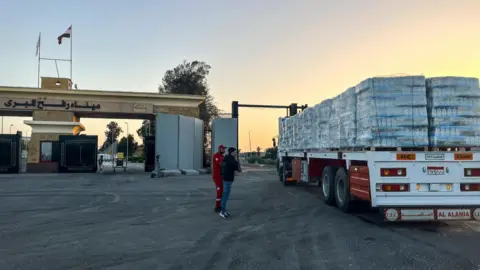
The blockade, enforced by Israel over two months ago, has restricted all imports, including food, fuel, and medical supplies. Consequently, humanitarian aid organizations like the UN's World Food Programme report they have exhausted their food stocks, leading to urgent warnings from international bodies about the risk of mass starvation. "Blocking aid starves civilians," noted UN humanitarian chief Tom Fletcher, emphasizing the moral obligation to ensure aid reaches those in need.
Currently, hundreds of thousands of Gazans depend on a handful of community kitchens to survive. Anera’s warehouse is nearly empty, with Matar revealing they may only have a couple of weeks’ worth of supplies left. Rising costs have made essentials like rice and lentils increasingly difficult to procure, further complicating efforts to provide meals for the community.
Reports persist of Israel's accusations against Hamas regarding the mismanagement of aid, yet Anera insists on adherence to strict monitoring processes to guarantee aid reaches the needy without diversion. “We utilize a robust distribution system to maintain transparency,” asserts Matar.
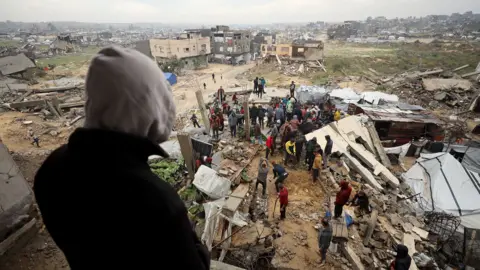
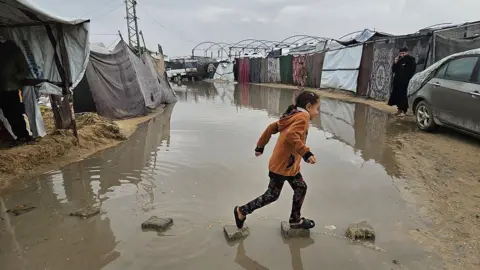
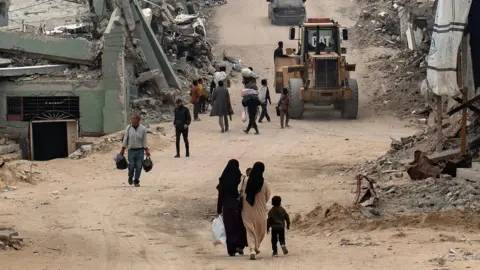
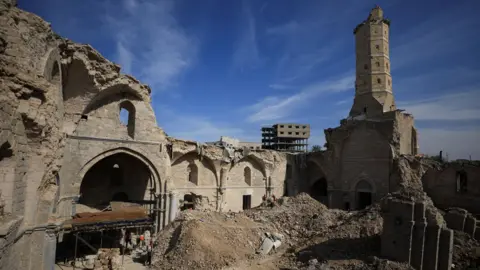
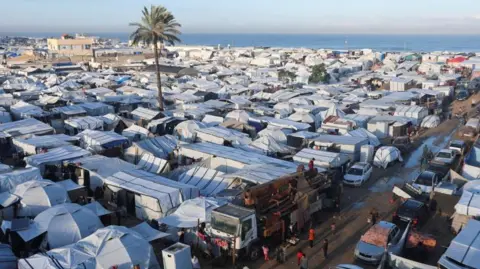
As the blockade stretches on, relief workers are grappling with the impact of rising displacement numbers and the loss of livelihoods, as the war in Gaza continues unabated. With over 90% of the population displaced and the soaring death toll, conditions have worsened alarmingly.
The stress of fulfilling their duty weighs heavily on Matar and his team, who worry about the potential shutdown of services. Matar plans the food distribution methodically to avoid overcrowding and ensure access for all those in need. The closure of these kitchens would mean catastrophic consequences for many who rely solely on this support for their survival.
With pressure mounting on Israeli authorities to ease the blockade and allow humanitarian aid into the territory, the situation remains critical. As the community kitchens operate on the edge of their breaking point, Matar appeals for immediate assistance, underscoring, "The feel of having to stop this vital help would be devastating."
Urgent appeals from local leaders and international organizations echo across the border; only time will tell if aid will be permitted to flow into Gaza once more.
The blockade, enforced by Israel over two months ago, has restricted all imports, including food, fuel, and medical supplies. Consequently, humanitarian aid organizations like the UN's World Food Programme report they have exhausted their food stocks, leading to urgent warnings from international bodies about the risk of mass starvation. "Blocking aid starves civilians," noted UN humanitarian chief Tom Fletcher, emphasizing the moral obligation to ensure aid reaches those in need.
Currently, hundreds of thousands of Gazans depend on a handful of community kitchens to survive. Anera’s warehouse is nearly empty, with Matar revealing they may only have a couple of weeks’ worth of supplies left. Rising costs have made essentials like rice and lentils increasingly difficult to procure, further complicating efforts to provide meals for the community.
Reports persist of Israel's accusations against Hamas regarding the mismanagement of aid, yet Anera insists on adherence to strict monitoring processes to guarantee aid reaches the needy without diversion. “We utilize a robust distribution system to maintain transparency,” asserts Matar.
As the blockade stretches on, relief workers are grappling with the impact of rising displacement numbers and the loss of livelihoods, as the war in Gaza continues unabated. With over 90% of the population displaced and the soaring death toll, conditions have worsened alarmingly.
The stress of fulfilling their duty weighs heavily on Matar and his team, who worry about the potential shutdown of services. Matar plans the food distribution methodically to avoid overcrowding and ensure access for all those in need. The closure of these kitchens would mean catastrophic consequences for many who rely solely on this support for their survival.
With pressure mounting on Israeli authorities to ease the blockade and allow humanitarian aid into the territory, the situation remains critical. As the community kitchens operate on the edge of their breaking point, Matar appeals for immediate assistance, underscoring, "The feel of having to stop this vital help would be devastating."
Urgent appeals from local leaders and international organizations echo across the border; only time will tell if aid will be permitted to flow into Gaza once more.