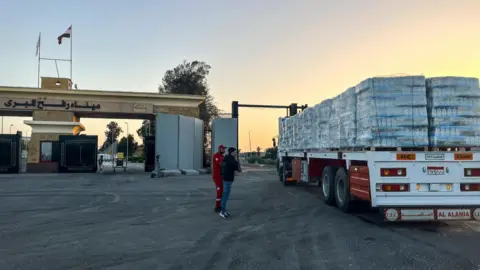
Israel has announced it will open the key Rafah crossing between Gaza and Egypt in the coming days to allow Palestinians to leave the territory.
Israeli military body Cogat stated that exits will be facilitated through coordination with Egypt, following security approval by Israel and under the supervision of the European Union mission. This plan is similar to the mechanism that was employed in January when the crossing opened temporarily during a previous ceasefire.
An Israeli security official referred to this move as an expression of support for the current ceasefire with Hamas, which has been in effect for seven weeks.
However, Egyptian officials have denied coordinating with Israel regarding the reopening of the Rafah crossing.
The State Information Service of Egypt mentioned that any agreement to open the crossing will apply in both directions, enabling both entry and exit from the Gaza Strip, as laid out in a proposal by US President Donald Trump.
Trump's 20-point Gaza peace plan indicates that the opening of the Rafah crossing will follow the previously established framework during the January ceasefire. The crossing has remained largely closed since May 2024, following a takeover by Israeli forces, and it has served as the main passage for Palestinians during the ongoing conflict and a crucial point for humanitarian aid.
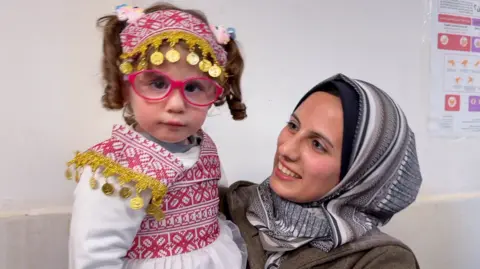
Currently, over 16,500 critically ill or injured Palestinians are awaiting evacuation for medical treatment abroad, according to the World Health Organization, with only 235 patients evacuated since the ceasefire began.
Reports suggest that Palestinian Authority forces will assist in managing the reopened crossing along with the EU's Border Assistance Mission. However, concerns persist as Israeli Prime Minister Benjamin Netanyahu has previously ruled out any role for the Palestinian Authority in Gaza's future governance.
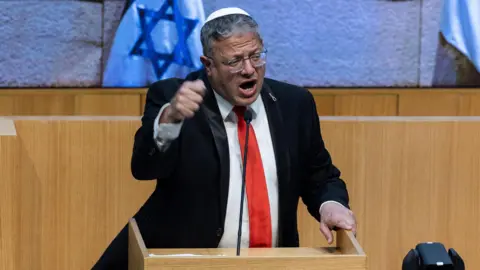
Complications arise as Netanyahu has stalled the reopening of the Rafah crossing due to the delayed return of deceased hostages held by Hamas and other groups. The situation remains fluid as both living and deceased hostages continue to be at the forefront of negotiations.
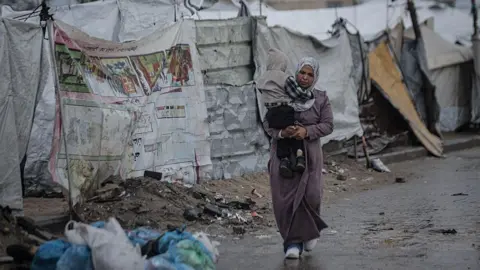
As the humanitarian crisis deepens, the reopening of Rafah is seen as a critical step for thousands of Palestinians in desperate need of humanitarian aid and a chance for evacuees to seek life-saving medical assistance.