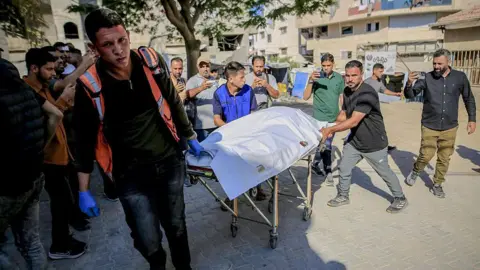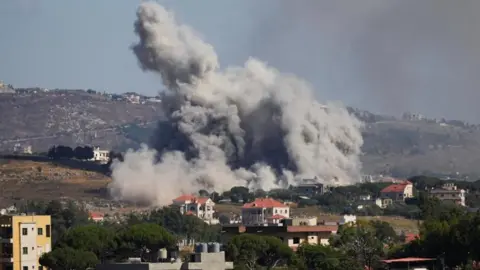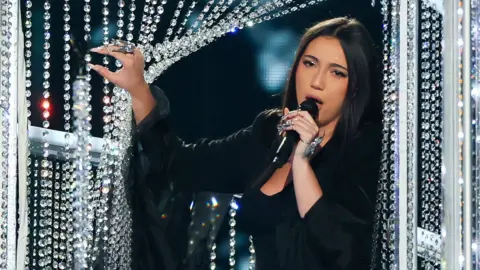
Ireland, Spain, the Netherlands, and Slovenia will boycott next year's Eurovision Song Contest due to Israel being allowed to participate. The countries have voiced concerns over the humanitarian impact of the ongoing war in Gaza and have accused the organization of unfair voting practices.
The decision to allow Israel to compete came despite a request for a vote on their participation, as members of the Eurovision organizing body opted for a set of new rules designed to maintain the contest's integrity.
RTE, Ireland's national broadcaster, released a statement citing that participation is 'unconscionable' in light of the humanitarian crisis affecting civilians in Gaza.
A similar stance was echoed by Dutch broadcaster Avrotros, stating that participation under current conditions conflicts with their public values.
Furthermore, RTVE, the Spanish broadcaster, announced last September that Spain would withdraw from Eurovision if Israel was part of the event, and this commitment included not broadcasting the Eurovision 2026 final or the preliminary semi-finals.
Slovenia's RTV also held firm, asserting that they couldn't participate while ethical standards were questioned.
On the other hand, Israeli President Isaac Herzog commended the decision to allow Israel to compete, framing it as a gesture of solidarity and a triumph against attempts to isolate the nation. He emphasized how vital it is for Israel to contribute to cultures across the globe.
As the Eurovision controversy unfolds, Iceland is also expected to consider a boycott but has yet to finalize its decision.