In brief
Tensions rise as the need for consultation on projects impacting ancestral lands comes to the forefront.
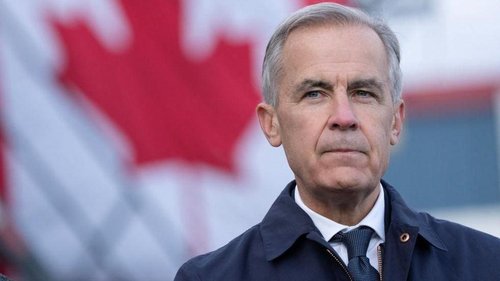
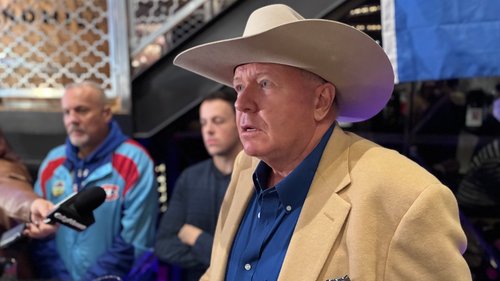
In a bold assertion of nationalism, Prime Minister Mark Carney has declared, “Build, baby, build,” pledging to reshape Canada’s economy through a series of grand infrastructure projects. His agenda, aimed at reducing dependency on the United States, envisions an array of developments including oil pipelines, nuclear plants, and expanded transportation networks. Following his electoral victory in April 2025, Carney emphasized the urgency of executing these initiatives to enhance domestic strength and international trade.However, Carney’s plans are encountering significant pushback from Indigenous communities whose ancestral territories are directly affected. Despite an ongoing national dialogue on reconciliation, many Indigenous leaders feel sidelined, echoing sentiments of past governmental neglect. They stress that any discussion about development on their lands must include their voices and perspectives. Dave Petiquay, a respected figure within the Atikamekw First Nations, voiced the community's frustrations, asserting that decisions about land use should not be made unilaterally by the government. “It’s up to governments to come and see us about decisions concerning our territory,” he stated, insisting on the necessity of proper consultation, something they feel has historically been neglected. As the Carney administration pushes forward with its infrastructure ambitions, it now faces the challenge of reconciling development goals with the rights and voices of Indigenous peoples, setting the stage for potential conflict in the pursuit of a more prosperous Canada.