In brief
Alberta’s binding referendum saw a decisive win for unity, with a little over 66% of voters choosing to stay within Canada. The decision follows a month‑long campaign where both sides presented strong arguments, yet the public mood swung in favor of continuity. Prime Minister Mark Carney hailed the result as a boon for national cohesion, while separatist leaders vowed to regroup. Meanwhile, the government has signaled a return to cooperative federalism on key issues like immigration and trade. Despite the outcome, calls for alternative routes to sovereignty persist among separatists, hinting at future political maneuvering.
More than two‑thirds of Albertans chose to remain part of Canada, ending a heated battle over provincial sovereignty that rattled the region’s political scene.
Vote Details
The election, called by Premier Danielle Smith after a petition of 300,000 signatures, asked a single question: Should Alberta remain a province of Canada or should the Government of Alberta commence the legal process required under the Canadian Constitution to hold a binding provincial referendum on whether or not Alberta should separate from Canada? The results, released from Elections Alberta, show 67% voting “remain” and 33% voting “referendum”.
Despite the decisive win for unity, the motion to abstain from a future referendum was struck down, leaving separatists to stage a “watch party” in Edmonton where the mood fell after projected outcomes were released.
National Reactions
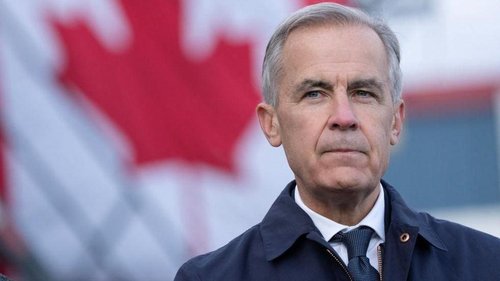
Prime Minister Mark Carney greeted the result as “a great result for Canada” and announced plans for government and province cooperation on immigration, trade and other shared priorities. In Ottawa, Carney reminded the Cabinet that Canada must present a united front against external pressures such as the ongoing trade dispute with the United States.
"We are thrilled that Albertans have chosen unity," Carney said.
Separatist Response
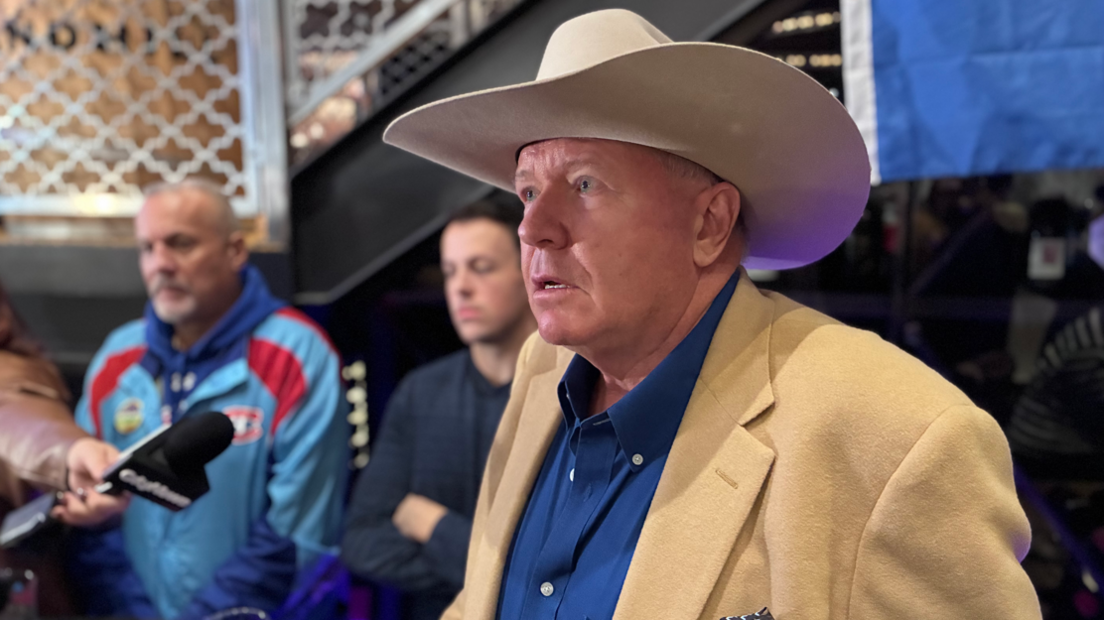
Jeffrey Rath, a separatist lawyer, remained defiant, remarking that the movement was not finished and additional votes would be pursued. He described Monday’s outcome as a “first step” that offered lessons for the independence campaign.
Separatist leader Mitch Sylvestre warned that “a lot of work will have to be done” to curb the independence appetite. Others plan to pressure Premier Smith to step aside for a leader more sympathetic to their cause.
Implications for the Future
Although the main question has been settled, Alberta will still vote on nine non‑binding questions about immigration and the Canadian constitution. Early results indicate that proposals for increased provincial control over immigration will pass.
Despite the decision, the conversation around Alberta sovereignty remains alive. Separatists now face the challenge of reshaping their strategy under a government determined to uphold federal cohesion.