In brief
On Monday, voters in Alberta will decide whether to permit a binding referendum that could split the province from Canada. The move stems from a petition of nearly 300,000 signatures, while opponents argue a breakup would leave Alberta saddled with debt. Prime Minister Mark Carney and Indigenous leaders weigh in on the stakes, citing unity and democratic rights. Despite a court ruling that blocked the petition, Premier Danielle Smith has proceeded, giving Albertans a chance to voice their will. The result could set Alberta on a new constitutional path as early as 2027.
Alberta voters will cast a ballot on Monday that asks the province to decide whether to embark on a legal process to hold a binding referendum about secession from Canada. The question follows a grassroots petition that collected nearly three‑hundred thousand signatures urging a vote. Premier Danielle Smith has allowed the referendum question to appear on the ballot despite a court ruling that raised concerns about Indigenous consultation.
Many who support a breakup argue that Ottawa’s environmental policies have stifled Alberta’s oil and gas growth. They believe the province could retain more wealth if it split from the federation. Opponents warn that a new nation would inherit billions of dollars of debt and face uncertainty that could drive jobs and investment away.
The referendum question is phrased as follows: “Should Alberta remain a province of Canada or should the Government of Alberta commence the legal process required under the Canadian Constitution to hold a binding provincial referendum on whether or not Alberta should separate from Canada?”
Chancellor Smith has said she does not personally favor secession, but she believes the voters deserve a chance to weigh the issue. The decision comes after two petitions were submitted: one for separation with about 300,000 signatures, and a counter‑petition opposing the split that garnered more than 400,000 signatures from a population of five million.
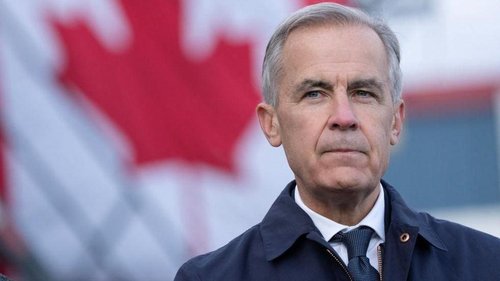
Prime Minister Mark Carney and other federal leaders have called for unity, stressing the importance of standing together amid global pressures. Carney’s campaign featured warnings that external actors could exploit divisions, drawing parallels to the uncertainty that followed the UK’s Brexit vote.
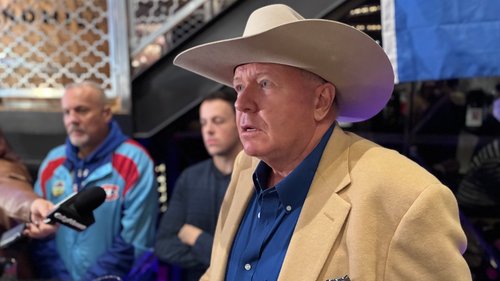
Separatist leaders include gun shop owner Mitch Sylvestre of Bonnyville and Calgary lawyer Jeffrey Rath. Both belong to the Alberta Prosperity Project, which claims that liberal federal rule has hindered the province’s economic growth by prioritizing environmental policy over industry expansion.
The public debate has already begun, with proponents asserting that movement is inevitable and that conversation must continue. Even if the vote ends without a direct outcome, the process has sparked a national conversation about autonomy and federal power.
Early voting by post was strong, indicating robust participation. Election officials will count the ballots by hand, with the separation question processed first. Results are expected in the early hours of Tuesday.
Should the count show a majority in favor of moving forward with a referendum, Alberta could be on track for a 2027 vote. That date would set the stage for a constitutional debate over the province’s future status within Canada.