In brief
Despite Serbia's booming economy, President Vucic grapples with fierce street protests driven by youth discontent and a growing sense of betrayal among rural supporters.
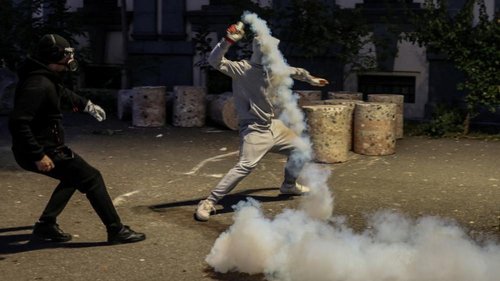
Serbia’s authoritarian leader President Aleksandar Vucic, typically buoyed by an economy growing four times faster than the European average, finds himself in the throes of his most significant political challenge in over a decade. Following the fatal collapse of a train station canopy, the ensuing protests that erupted across cities, particularly among the student population, have continued to escalate over the past three months.In response to the unrest, the government proposed state-subsidized loans reaching $100,000 to entice young voters into a more stable living situation. However, this offer was met with resistance, as student representatives boldly rejected the financial incentive, insisting their demand was for genuine change rather than monetary handouts.Joining the ranks of protesters are older, traditionally supportive citizens who feel neglected by Vucic's administration, despite past promises of improvement such as roads and public facilities. During a recent march to Novi Sad, a participant, farmer Dusko Grujic, lamented the disconnect between the glowing statistics touted by the government and the real-day challenges of high food costs and corruption.Serbia, despite its notable growth metrics, is witnessing a revolt that reflects deeper societal grievances against corruption and authoritarianism. As protests intensify, the question looms: will President Vucic adapt to the discontent or risk losing his grasp on power?