In brief
Serbian student activists have carved out a formidable challenger in parliament, pitting the young, unorthodox Student List against veteran leader Aleksandar Vučić. Ilija Srdanović, a university professor, tops the list, but the movement’s true power lies in its collective leadership and broad base of 250 candidates drawn from academia, sport and engineering. The campaign has been amplified by protests sparked by a deadly railway station collapse, a key moment that has tarnished Vučić’s infrastructure record. Vučić remains popular among a large segment of voters, yet his rhetoric and media dominance face scrutiny amid allegations of bias. With over 150 000 supporters at the final rally, the nation stands at a crossroads between entrenched authority and a radical generational shift.
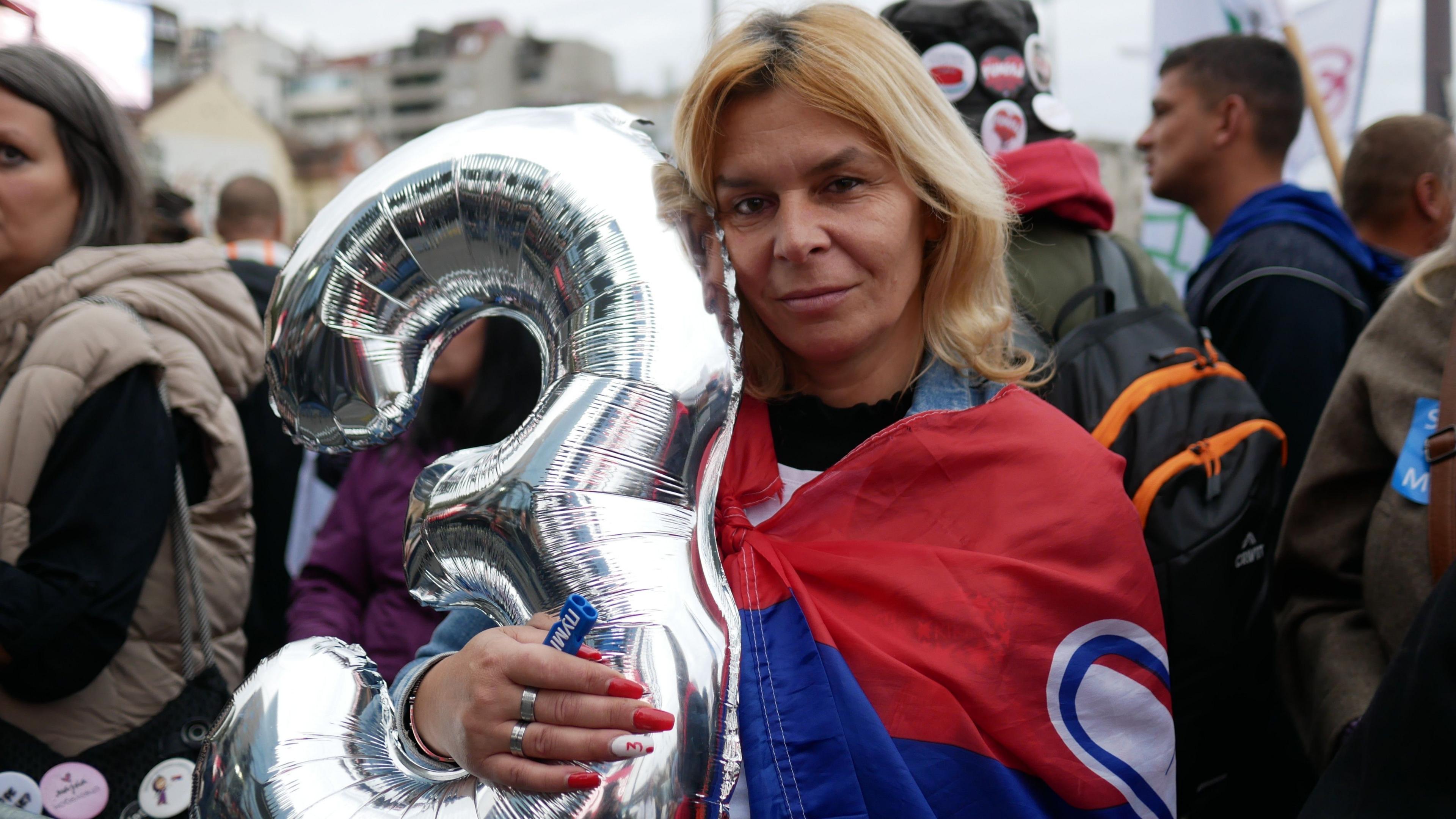
If Serbia’s 2026 parliamentary elections are a duel over the country’s soul, the most significant contender is a group of young activists who have turned their protests into a real‑world electoral force. The Student List, pinned as number 3 on the ballot, gives a symbol to the call for transparency, open discussion and officials tested in public service‑free governance.
Ilija Srdanović, a professor at Novi Sad University, appears as the class‑typically unassuming face of the Student List, yet he has been chosen to lead a slate of 250 candidates, none of whom has prior political office. His image, a yellow jacket emblazoned with the slogan Students Win, has become a rally‑day icon for a movement that refuses to settle for a single leader.
The seed of this opposition was sown in 2024 after a collapsed canopy at the Novi Sad railway station killed sixteen people. That disaster struck at the heart of a high‑speed rail upgrade that Vučić had promoted as a symbol of economic progress. The tragedy not only exposed weak construction oversight but also revealed the limits of a leader who has stayed in a chain of posts – deputy prime minister, prime minister and president – since 2012.
Vučić’s strategy since the snap elections has been to re‑brand himself as a strong, single‑man commander. He stepped down from the presidency a month ago to run again for prime minister and has warned that any shift to a Student List government would jeopardise Serbia’s relations with Russia and China, two allies that refuse to recognise Kosovo’s independence. By contrast, the Student List says its candidates will bring unbroken integrity to politics and that a collective leadership model will avoid the concentration of power that has plagued the nation for years.
Read more on the Student List’s platform
The final days of campaigning saw a clash of crowds: 150,000 Student List supporters gathered at Slavija Square in Belgrade to hear a mixture of students and members of the 250‑candidate team, while Vučić’s Scene of National Unity held a large rally in the Belgrade Arena, with the president himself as the sole speaker. The stark difference in scale, enthusiasm and crowd composition underlined a generational divide in the electorate.
The polls remain uneven and unsteady, but analysts predict a razor‑thin margin that will keep Serbian politics on edge in the coming weeks. Whether voters favor an enduring, hard‑knocked authority or a fresh start led by a disparate group of experts will determine the next chapter of Serbia’s democratic experiment.