In brief
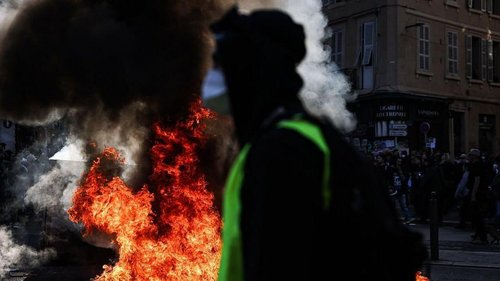
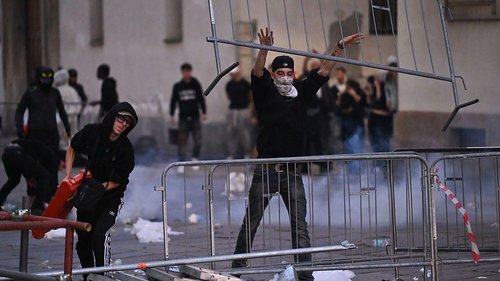
For the past week Albanian students and police have battled in the capital, culminating in a violent seventh day that left almost a third of the 295 injuries suffered by the public. University and high‑school students continue to demand stronger universities, an end to corruption and the resignation of Prime Minister Edi Rama. The violence has escalated to government buildings, has seen police use tear gas and water cannons, and has drawn criticism from human‑rights lawyers. Protesters describe a barrage of stone‑throwing, amid reports of police being fired upon and occasional petrol‑spill injuries. The situation remains volatile, with activists preparing for a potential transition to a technocratic government should Rama step down.
For the seventh consecutive day the streets of Tirana have been the scene of fierce confrontations between students and riot police, an escalation that has driven the injury toll past 300 and drawn sharp criticism from civil‑rights advocates.
Trends and Toll
Official figures confirm 295 injuries, with 186 involving police officers. Many of the injured are high‑school and university students who have organized en masse, calling for reforms in higher education and demanding the resignation of Prime Minister Edi Rama.
Prime Minister’s Response
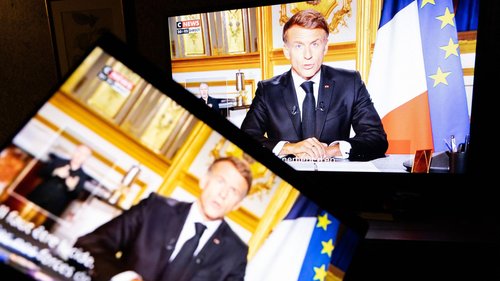
Rama visited police command centres and brandished a stone hurled at his officers, accusing the protestors of being influenced by “dark forces” in Europe and the US. He warned that negotiating with the demonstrators would amount to the state’s collapse.
The Flash‑Fight in Rinia Park
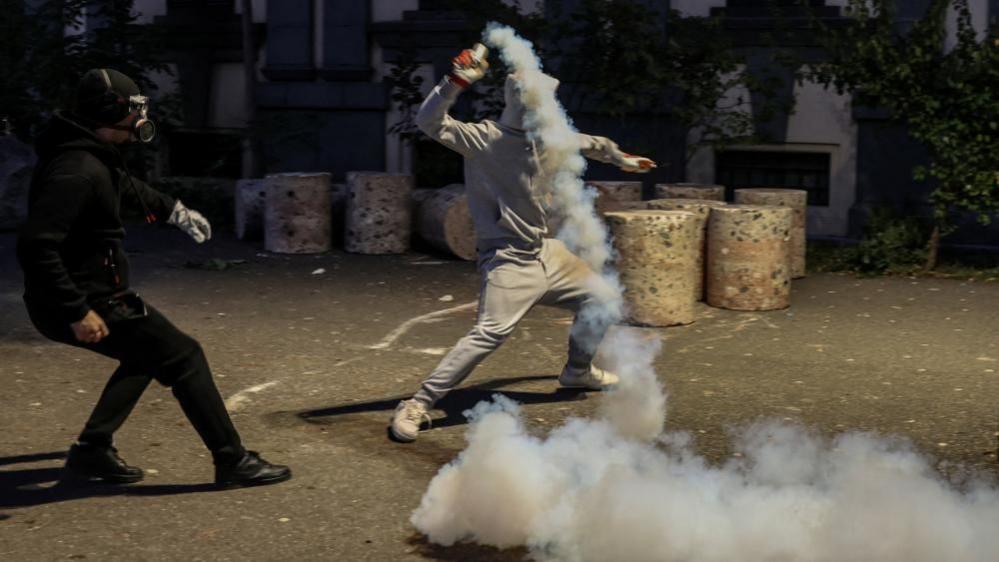
One of the most vivid scenes unfolded in Rinia Park where protestors dismantled cobblestones to use against police. A convoy of riot vehicles led by an armoured truck launched tear gas and water cannon, forcing hundreds to flee into nearby cafés and alleys.
Voices from the Frontline
Human‑rights lawyer Gentian Sejrani said the police “rarely present evidence in court” and that many arrests are made over unrelated incidents. A 27‑year‑old student activist, Sidorela Vatnikaj, described her daily role of coordinating groups, securing first aid and monitoring the safety of friends and family, while noting her anger at the government’s handling of the protests.
Possible Outcomes
- Formation of a technocratic interim government as urged by protestors, aimed at preparing for democratic elections.
- Potential for further policy concessions by the government to quell unrest.
- Escalation of violence if protests resume and police assert stricter control.
The next few days will be critical, as the government weighs the balance between maintaining order and addressing legitimate grievances that continue to fuel dissent across Albania’s youth.