In brief
Unrest that scorched Paris and other French cities has left the country fractured, with officials accusing far‑left militias while student unions claim legitimate grievances. Police describe looting as opportunistic, yet social media is blamed for amplifying violence. The chaos arrives six months before a presidential election, turning the incident into political fodder. With public debt high and a crisis of confidence in democracy, a parliamentary inquiry and new policing strategies are being demanded. The nation must decide if these riots signal a deeper structural crisis or a fleeting flare of discontent.
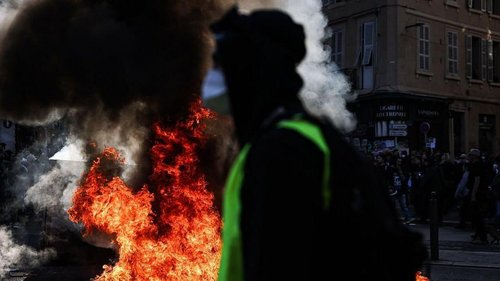
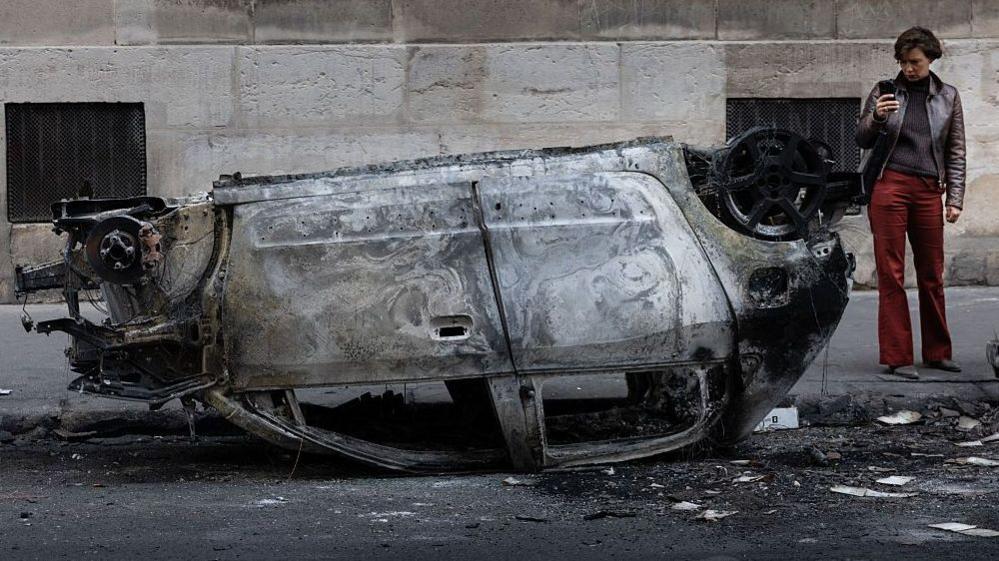
The wave of unrest that left Paris, Lyon and other cities in ashes has left France fractured as politicians, activists and ordinary citizens fight over who bears responsibility.
Prime Minister Sebastian Lecornu and Interior Minister Laurent Nunez pinned the violence on far‑left militias, citing a black “A” logo and videos of masked attackers. Meanwhile, student union leaders say protests grew out of real grievances over education and public services.
Police say looting was opportunistic; 3,000 shops pillaged, with online resale platforms scrambling to track thieves. Meanwhile, the government warns that social media “TikTokisation” of violence is fueling further disorder and calls for temporary blackouts.
The incident arrives six months before the presidential election, turning the spotlight onto political opportunism. Jean‑Luc Mélenchon’s LFI claims to be fighting for the disenfranchised, yet opponents accuse it of weaponising dissent to win votes.
With public debt soaring and citizens backing out of confidence in democracy, calls for a new policing strategy and a parliamentary investigation grow louder. As the nation rebuilds its streets, it must decide whether the unrest signals a structural crisis or a fleeting flare.