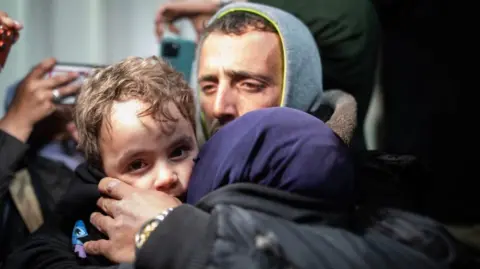
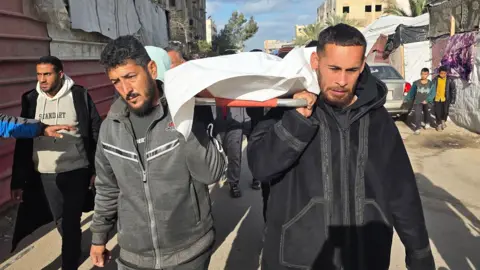
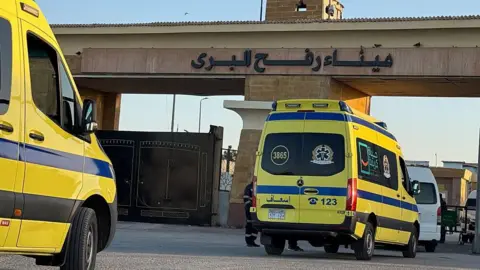
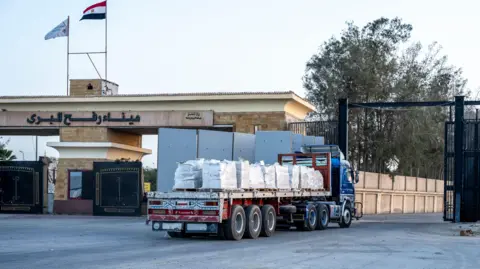
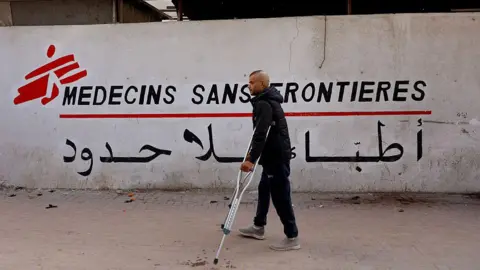
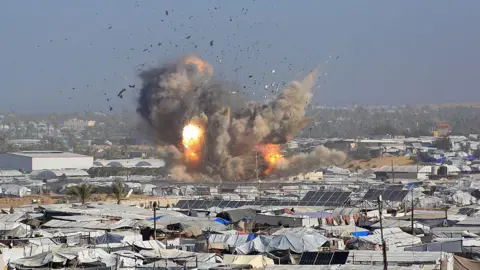
The Rafah border crossing between Egypt and Gaza has reopened, permitting sick and wounded Palestinians to exit the enclave for medical care after being closed for over eight months. This development comes in light of a cease-fire agreement between Israel and Hamas, which includes provisions for a more stable humanitarian corridor.
The reopening is part of a 42-day cease-fire along with exchanges of hostages for prisoners. The arrangements dictate that Israel will now authorize the exit of up to 50 sick and wounded militants, along with women and children needing medical treatment through Rafah on a daily basis. Healthcare officials expect the first group of evacuees to begin leaving as early as Saturday.
Negotiations for this agreement involved complex diplomacy and cooperation among Israel, Egypt, and the Palestinian Authority, the latter being a rival to Hamas which has controlled Gaza since 2007. The previous control by Israel was reinstated during significant military interventions against Hamas.
The reopening of this crucial lifeline to the outside world is a significant milestone hoped to pave the way for a more sustainable resolution to the ongoing humanitarian situation in Gaza and marks a noteworthy shift in the dynamic between the parties involved.
The reopening is part of a 42-day cease-fire along with exchanges of hostages for prisoners. The arrangements dictate that Israel will now authorize the exit of up to 50 sick and wounded militants, along with women and children needing medical treatment through Rafah on a daily basis. Healthcare officials expect the first group of evacuees to begin leaving as early as Saturday.
Negotiations for this agreement involved complex diplomacy and cooperation among Israel, Egypt, and the Palestinian Authority, the latter being a rival to Hamas which has controlled Gaza since 2007. The previous control by Israel was reinstated during significant military interventions against Hamas.
The reopening of this crucial lifeline to the outside world is a significant milestone hoped to pave the way for a more sustainable resolution to the ongoing humanitarian situation in Gaza and marks a noteworthy shift in the dynamic between the parties involved.