In brief
Berlin intends to replace the last physical relic of Adolf Hitler’s New Reich Chancellery with new flats, igniting a heated debate between officials and heritage advocates. Housing Senator Christian Gaebler says the bunker is a liability in a growing city, while Dietmar Arnold of the Berlin Underworlds Association complains that demolishing the structure would erase important history. The bunker, a 1,200‑square‑meter concrete complex built by Albert Speer, was partially destroyed during the war and later by Soviet decree. A recent review by the Berlin State Monuments Council underscored the bunker’s historical value. Arnold proposes a memorial that could honor the site’s role during the end of WWII, while others point to the potential for a new museum in partnership with the Holocaust Museum. The debate highlights how Berlin negotiates memory and development in the post‑war era.
Berlin’s housing commissioner proposes to tear down the last physical reminder of Adolf Hitler’s New Reich Chancellery, a concrete bunker that survived the war’s end but has remained in a patch of wasteland since 1949.
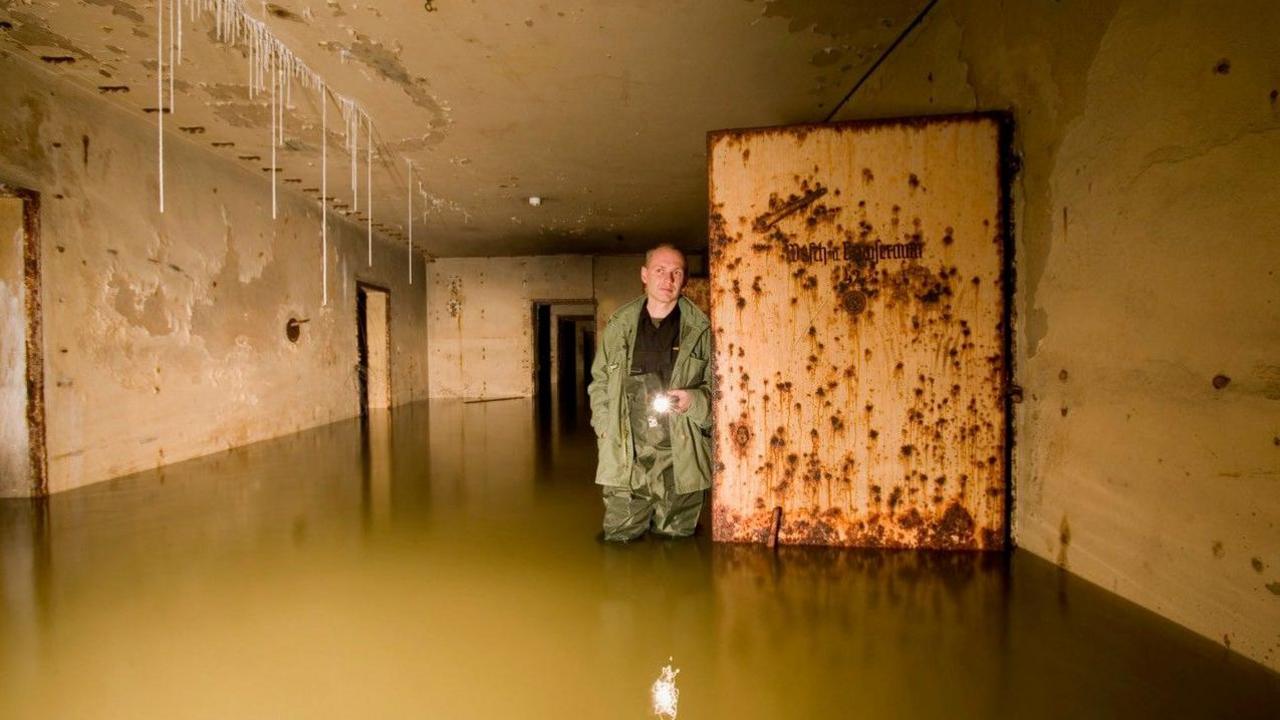
Christian Gaebler, the city’s Housing Senator, has said the structure is a hindrance to new housing projects. He told a local newspaper that the bunker “could become a place of pilgrimage” but that it should not stand in the way of development. According to Gaebler, demolishing the site allows the city to make new apartments and office blocks that meet housing needs.
Dietmar Arnold, chairman of the Berlin Underworlds Association, fights back with a call for preservation. He called the demolition decision “absolute madness” and stressed that the bunker was the central planning hub for Nazi Germany. Arnold wants to transform the space into a museum, partnering with the Holocaust Museum to display a new exhibit on the war’s final days. He has visited the site in 2007 and said the bunker was in robust condition, comprising 1,200 square metres of thick concrete walls and ceilings.
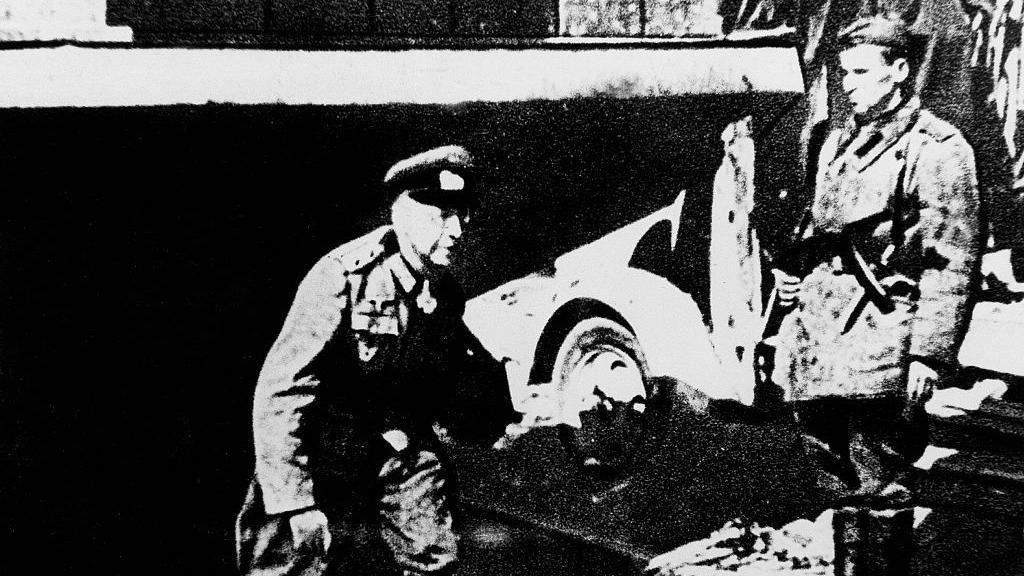
The Berlin State Monuments Council warns against demolition. Last year it criticized the plans, noting the bunker’s significant historical value. The council described the New Reich Chancellery as the “planning centre and starting point of World War Two” and urged a thorough assessment by the State Office for the Preservation of Historical Monuments.
Competing views co‑exist as Berlin tackles the legacy of war. While some viewpoint insists on erasing the site’s physical imprint to serve contemporary urban needs, others argue the bunker should stand as a reminder of history and serve an educational purpose.