Heidenau Bans Stumbling Stones: A Clash Over Holocaust Memory
The town of Heidenau, located near Dresden in Saxony, has decided to remove the small brass plaques known as Stolpersteine that commemorate Jewish victims of the Holocaust. The decision was made by a coalition of the Alternative für Deutschland (AfD) and the conservative Christian Democratic Union (CDU) on the town council.

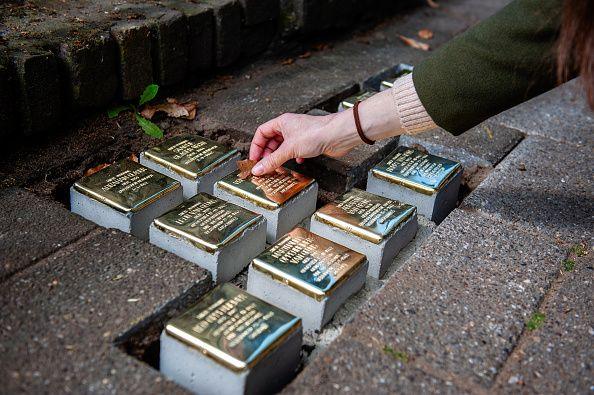
The plaques, placed since the 1990s throughout Europe, are embedded in pavements outside houses where the victims once lived or worked. They serve as unexpected reminders for passers‑by to reflect on the atrocities committed during the Nazi era.
Education Minister Karin Prien described the ban as “a scandal” and criticized the council’s choice to shift the memorials to the Nordfriedhof cemetery. She argued that to take them out of public street space was to give death priority over life and to silence Jewish remembrance once again.
Survivor and community leader Charlotte Knobloch condemned the move as a “transparent manoeuvre by extremists.” She stressed that decentralised remembrance—where memorials are woven into the public landscape—creates a genuine culture of memory that should not be removed.
Knobloch noted that Munich, her own city, does not allow Stolpersteine on municipal land but permits memorial plaques on public buildings. She believes that keeping remembrance visible in streets is vital for keeping the past alive in collective consciousness.

The decision comes amid recent electoral gains for the AfD in Saxony-Anhalt and Mecklenburg‑Vorpommern, raising concerns about how national parties are shaping the narrative of Germany’s history. While the party rejects extremist labels, intelligence agencies maintain a divided stance on its influence.
This debate highlights a tension between preserving high‑profile national memorial sites and maintaining everyday reminders of the Holocaust that challenge citizens to engage with the past directly. The future of Stolpersteine in Heidenau and other German towns may continue to be a focal point in the country’s ongoing conversation about remembrance and national identity.
Source: BBC News, 26 September 2026