In brief
Swiss aid worker Eva Greztmacher, 76, and Austrian community worker Claudia Abbt, 69, were taken hostage in the northern Sahel city of Agadez in early 2026. They endured more than a year of captivity before being released by forces in eastern Libya and handed over to their respective embassies in Benghazi. No details were released about their captors, though initial reports linked the abductions to Islamic State affiliates. The women thanked MLK Khalifa Haftar and his son for securing their freedom, and flights were arranged to return them to Austria and Switzerland.
Two European aid workers, a Swiss and an Austrian, were freed after more than a year in captivity in Niger and handed over to Libyan authorities in Benghazi.
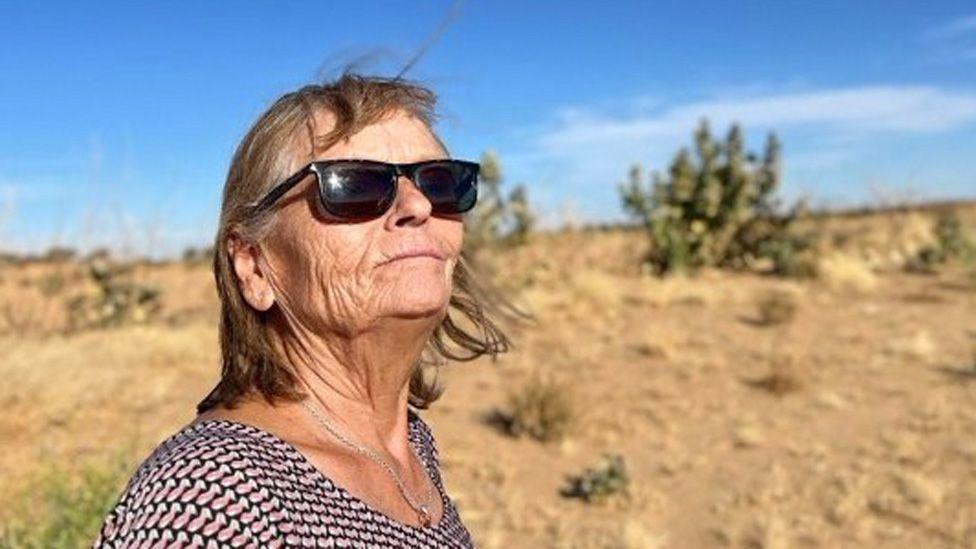
Eva Greztmacher, 76, spent many years as an aid worker in Niger, while Claudia Abbt, 69, had worked for several years as a community worker in Agadez. They were kidnapped separately in January and April 2026, the first in Agadez’s northern city and the second a few weeks later.
No specific details on those who held them or their demands were released; early reports suggested a link to Islamic State militants, but no confirmation followed. The circumstances of their release remain undisclosed.
Libyan officials said the women would be transferred to their respective governments after necessary procedures. Al‑Masar TV recorded the pair entering what appeared to be an ambulance and later being attended to by a health worker.
Speaking in French, the two thanked Khalifa Haftar, the military commander of eastern Libya, and his son Saddam Haftar, labeling them as key figures in their freedom. Flights were arranged to take the women back to Vienna and Switzerland the following day for hand‑over to Austrian and Swiss authorities, respectively.
Libya remains politically fractured after the 2021 uprising that toppled former leader Muammar Gaddafi, with eastern forces backed by Haftar fighting a rival western government in Tripoli. The Sahel region, including Niger, has long been plagued by jihadist activity from Islamist organisations such as al‑Qaeda affiliates and the Islamic State, contributing to the rise in kidnappings and attacks.
The women’s release offers a glimmer of hope amid a region that has endured instability, violence and a surge in hostages targeting foreigners and aid personnel. Their safe return marks a rare success against the backdrop of a volatile security environment on the African continent.