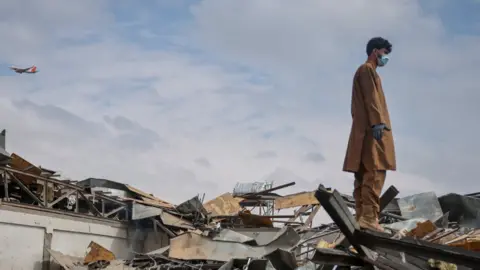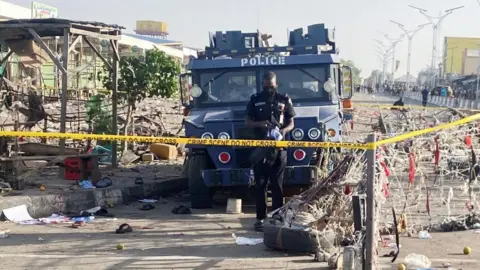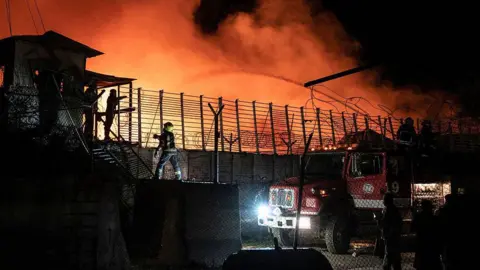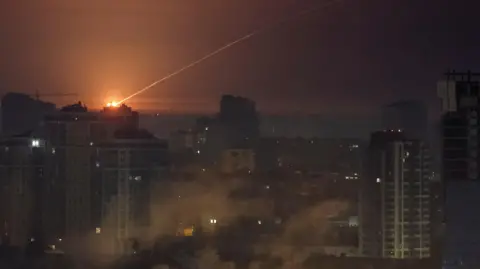
A large Russian aerial strike on Ukraine has again left half of Kyiv's residential buildings without heating or power as temperatures across the country continue to hover around -10C.
Drones, ballistic, and cruise missiles targeted several locations in Ukraine, including Kyiv, Dnipro in the center, and Odesa in the south.
Air raid alerts in the capital lasted for most of the night. On Tuesday, sirens rang out again as Russian drones and cruise missiles approached the capital.
President Volodymyr Zelensky said a significant number of targets had been intercepted. However, he also noted that repelling the attack cost Ukraine about €80m (£69m) just in air defense missile expenses.
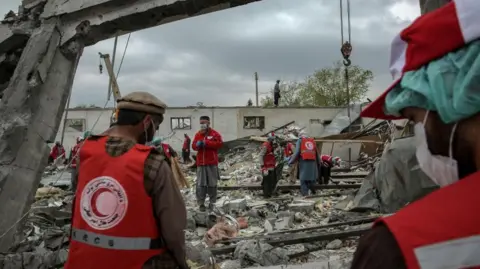
At least four people died, and 33 others were injured across Ukraine between Monday and Tuesday. On Tuesday morning, over 5,600 residential buildings in Kyiv woke up to no heating, with many also lacking water.
Mayor Vitalii Klitschko stated that nearly 80% of those buildings had just restored heating after a previous attack on January 9, which had already caused extensive outages. The quick restoration efforts were undone by this recent attack.
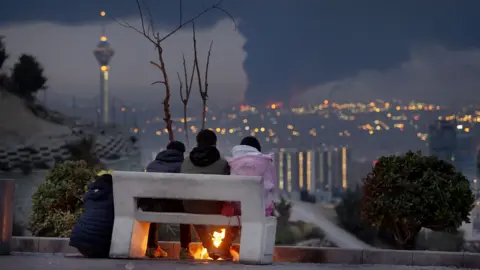
The humanitarian impact is felt deeply, with residents resorting to makeshift solutions such as portable stoves, while families with children face greater difficulties in coping without electricity.
On social media, videos showed Ukrainians attempting to keep warm through outdoor barbecues and communal gatherings amidst the ongoing power cuts. Reports highlight this as potentially the worst winter in the context of the ongoing war.
More than 10,000 people, including nearly 800 children, sought refuge in Kyiv’s metro stations during the recent airstrikes, as many high-rise buildings lack adequate shelter from aerial attacks.
Ukraine maintains a continuous appeal for more air defense systems as the conflict shows little sign of resolution, with escalating fears over external geopolitical pressures affecting support.