Sensitive content: This article contains a graphic description of death that some readers may find upsetting
I've reported on more than 40 wars around the world during my career, which goes back to the 1960s. I watched the Cold War reach its height, then simply evaporate. But I've never seen a year quite as worrying as 2025 has been - not just because several major conflicts are raging but because it is becoming clear that one of them has geopolitical implications of unparalleled importance.
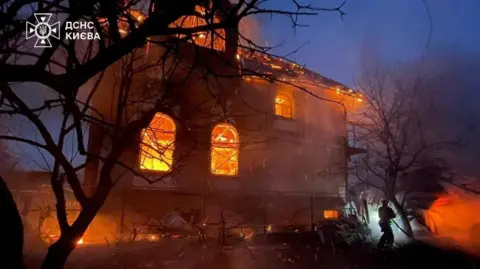
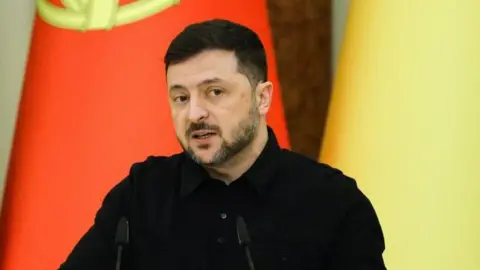
Ukrainian President Volodymyr Zelensky has stated that the conflict in Ukraine could escalate into a global war, a notion that resonates deeply with my experiences from nearly six decades of reporting.
Nato governments remain vigilant, facing fears of Russian aggression that extend beyond Ukraine, as evidenced by their undersea cable threats and cyber attacks on Western institutions.
2025 has been shaped by three devastating wars: in Ukraine, where the UN estimates civilian casualties at 14,000; in Gaza, resulting in a staggering toll of Palestinians killed following Hamas’s attack; and in Sudan, where a civil war has left over 150,000 dead and millions displaced.
Despite the U.S. engaging in ceasefire negotiations in Gaza, the situation appears unresolved, highlighting the varied levels of global conflict. The wars we are witnessing today constitute a serious threat to international stability, particularly with Russia's expanding role under President Putin's regime.
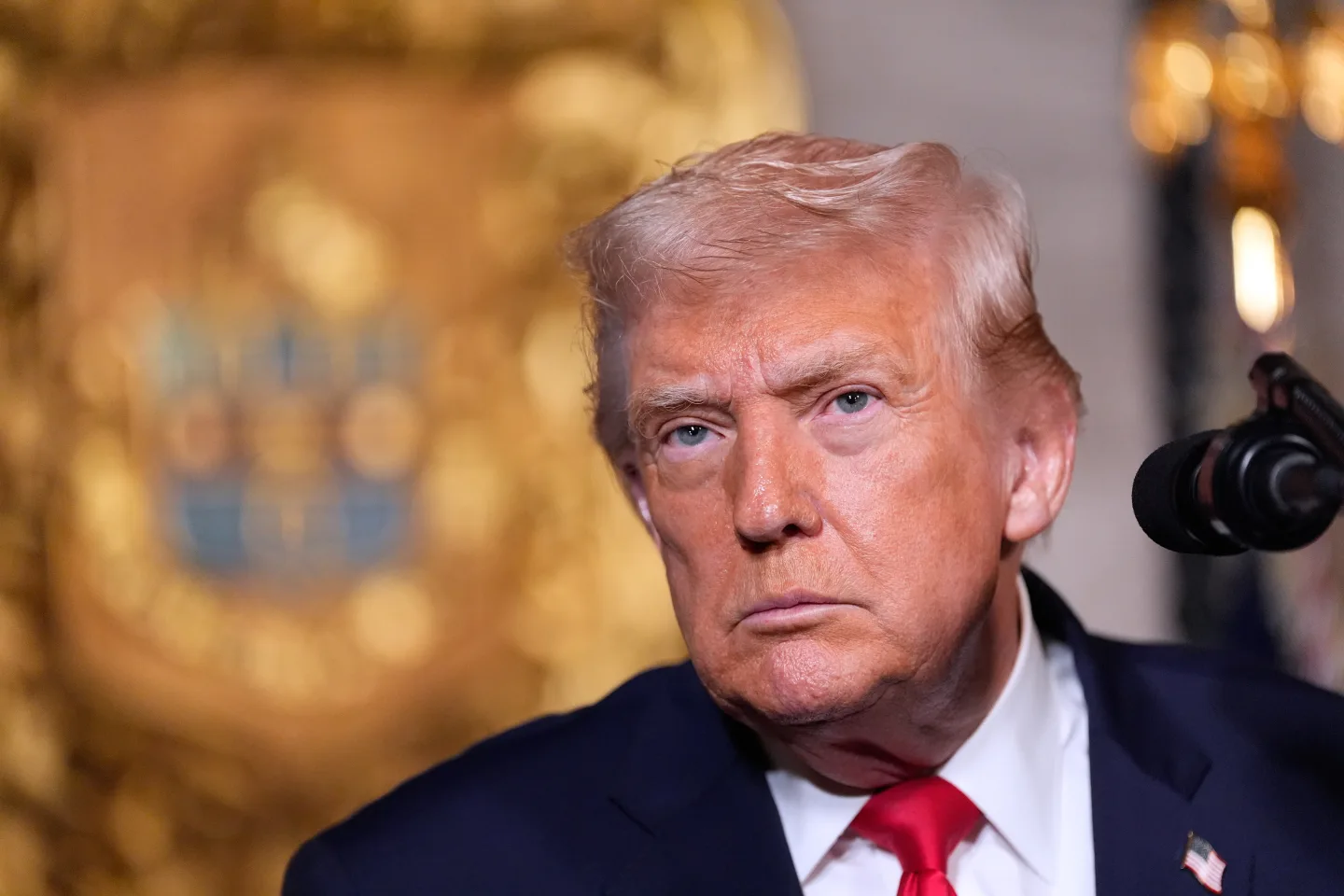
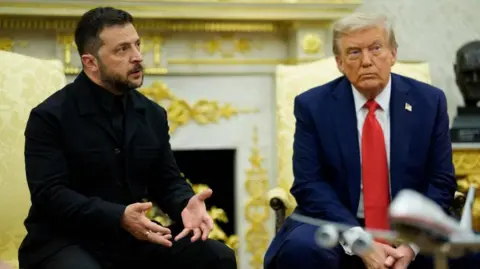
The shift in U.S. policy towards a more isolationist stance under President Trump only exacerbates these tensions, risking a withdrawal of support from Europe and its broader consequences for global security. This year showcases how fragile international relations can swiftly alter, potentially heralding a new era of geopolitical strife.