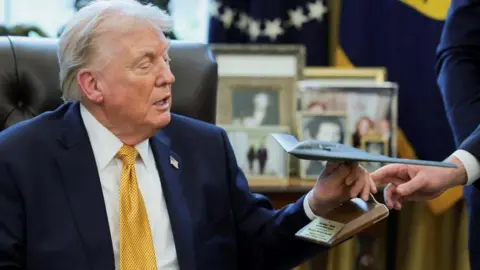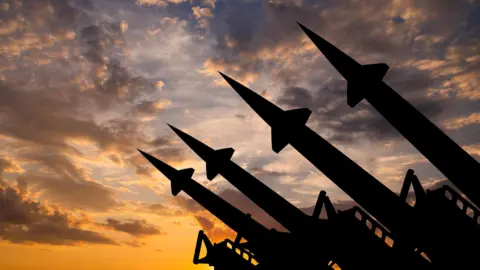
WEST PALM BEACH, Fla. (AP) — President Donald Trump has proclaimed a powerful and deadly airstrike against the Islamic State group's forces in Nigeria. This decision follows weeks of criticism directed at the West African nation's government, which Trump accused of failing to prevent violence against Christians.
In a Christmas evening post on his platform, Trump did not disclose specifics regarding the operation's damage, although a Defense Department official indicated these strikes were conducted with Nigerian cooperation and official approval.
The cooperation between the US and Nigeria involved intelligence sharing and strategic coordination in adherence to international law, according to Nigeria’s Foreign Affairs Ministry. However, the extent of the strikes’ impact remains unverified by the Associated Press.
Nigeria's Ongoing Conflict
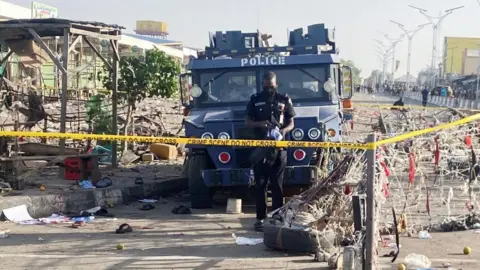
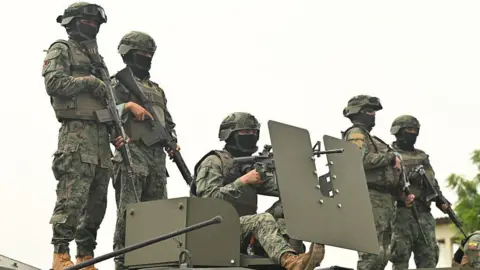
Nigeria faces multiple violent factions, including Islamic State allies and groups like the Lakurawa gang, which poses a mounting threat in the northwestern region. Security experts suggest the recent US actions might target the Lakurawa, responsible for escalating violence against remote communities and security forces.
Malik Samuel, a Nigerian security analyst, emphasized that the Lakurawa group now controls areas in states including Sokoto and Kebbi. The increasing presence of extremist groups in these regions is attributed to the lack of government and security forces.
Violence Across Divides
In the context of this military response, Trump asserted that the US commenced this offensive against Islamic State militants, stating that they were responsible for vicious killings primarily affecting innocent Christians. However, local analysis underscores the overarching impact of violence on diverse communities including Muslims in Nigeria.
The Nigerian government has previously contended that the violence has not discriminated based on religious lines, indicating a shared crisis among various faiths against extremist forces.
US Military Strategy and Nigeria's Response
Trump's administration previously indicated intentions to delineate military actions in Nigeria to address what he termed as Christian persecution. Moreover, the US has initiated visa restrictions on Nigerians linked to acts of violence against Christians, while also classifying Nigeria as a “country of particular concern” for religious freedom issues.
Nigeria, with a populace over 220 million largely divided between Christians and Muslims, has witnessed an array of violence ranging from religious extremism to resource-based conflicts.
Despite reductions in the US military footprint throughout Africa, Trump's commitment to addressing persecution in Nigeria continues. Defense Secretary Pete Hegseth assured the military's readiness for future engagements, emphasizing ongoing support from the Nigerian government.