Unraveling the Russian Disinformation Plot Behind Angolan Protests
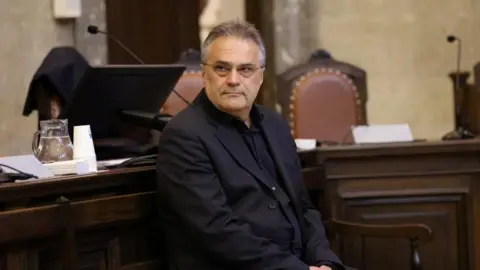
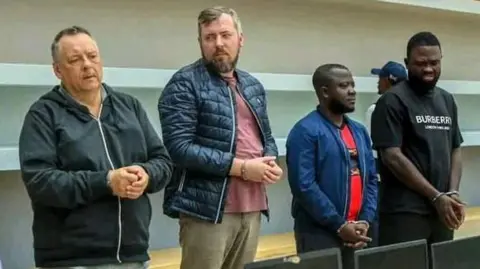
Two Russians are facing trial in Angola, charged with stirring up anti-government protests and conducting a campaign of disinformation in preparation for the upcoming presidential election. Arrested in August of the previous year, political consultant Igor Ratchin and translator Lev Lakshtanov are implicated in 11 charges that include terrorism, espionage, and influence peddling.
The indictment presented outlines their alleged involvement in a coordinated effort to alter Angola's political trajectory, orchestrated on behalf of a clandestine network of operatives that emerged from the now-defunct Wagner Group. This group has been accused of various destabilization efforts across Africa.
Ratchin's lawyers have challenged the legitimacy of the indictment, arguing it relies on vague assertions rather than solid evidence. Meanwhile, the Russian defendants claim their mission was solely aimed at fostering cultural ties through a supposed Russian House initiative in Luanda.
In a politically volatile environment, marked by Angola's significant oil and diamond exports, Moscow's interest in the region remains strong. However, Angola's government has expressed a noticeable shift toward Western alliances, with the country distancing itself from Russian influence historically rooted in their Cold War relations.
In addition to the Russian operatives, two local Angolans—sports journalist Amor Carlos Tomé and political activist Francisco Oliveira—are implicated in the unfolding scandal, facing multiple charges themselves. Prosecutors allege that Tomé assisted in gathering intelligence and conducting propaganda aimed at undermining President João Lourenço's administration, amid the backdrop of last summer's deadly protests that shook Angola.
The protests, which resulted in significant casualties and widespread arrests, were initially ignited by a taxi drivers' strike but quickly evolved into a broader discontent against the government, raising concerns that local grievances are being co-opted into international geopolitical conflicts.
As the trial unfolds, both the Angolan authorities and defense teams will engage in a complex legal battle that could see the Russians sent home if convicted, although Russia's diplomatic efforts to intervene appear lukewarm at best, indicating a low priority for the Kremlin regarding the fate of private contractors acting outside state directives.