The Minerva Gloria is docked at a wharf in the Mississippi Sound, just miles from the US's vast oil reserves in the Gulf of Mexico. This 820ft (250m) oil tanker is transporting a precious cargo from Venezuela—400,000 barrels of crude oil—something unthinkable just six months ago due to previous sanctions.
Venezuela is known for possessing the world's largest oil reserves. However, under former President Nicolas Maduro, oil exports dwindled significantly from lack of investment and the imposition of US sanctions. A shift came when US President Donald Trump vowed to capitalize on Venezuelan oil reserves after US military forces captured Maduro in a surprise night-time raid in January.
Now that oil exports are up, with Venezuela surpassing one million barrels per day last month for the first time since September, major companies like Chevron are re-engaging with Venezuelan crude. Tim Potter, director of Chevron's refinery in Pascagoula, highlighted that this development is vital not only for his company but also for the Gulf region.
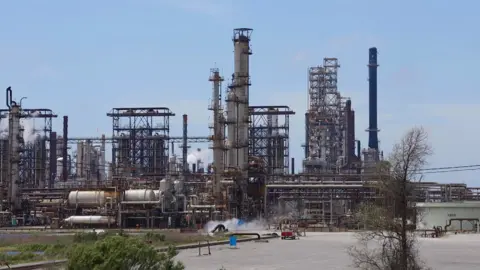
Chevron is uniquely positioned as the only major US oil company actively extracting Venezuelan oil, processing it directly in the US, aiming to offset rising domestic gasoline prices. The refinery is specifically tailored to utilize heavy oils, aligning perfectly with the thick and sulfur-rich Venezuelan crude.
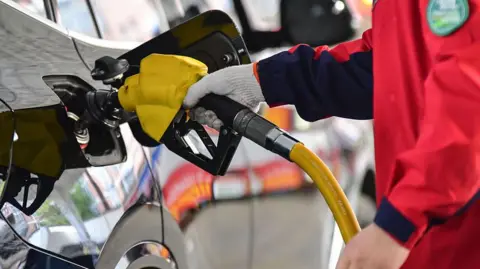
Despite these hopeful changes, local gas prices continue to rise, prompting frustrations among consumers. With the average price at the pump still outpacing the national average, many locals feel the pinch as they struggle to maintain regular driving habits.
While Chevron maintains that increased Venezuelan oil imports might lead to eventual price drops for American consumers, they acknowledge the current complexities of global oil market fluctuations complicating immediate impacts.