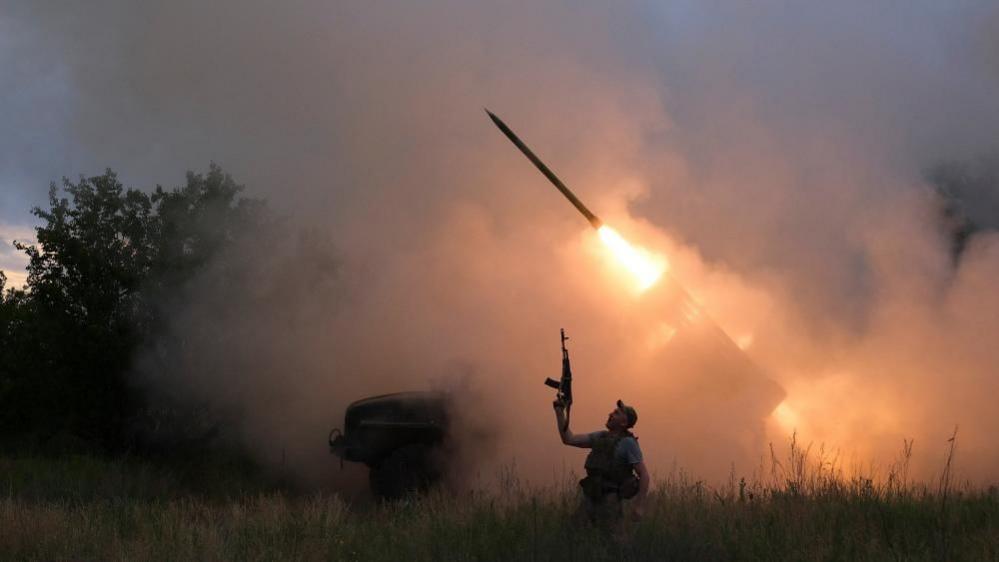
Ukrainian President Volodymyr Zelensky has accused Moscow of opting for an 'Easter escalation' instead of a ceasefire, following a recent round of deadly drone and missile attacks across the country.
In these attacks, six civilians lost their lives, and approximately 40 others were injured as hundreds of drones and missiles struck various locations.
Notably, Ukraine has seen a rise in daytime military assaults, a tactic that was previously rare but has become more frequent in the ongoing conflict.
The recent military surge coincides with stalled efforts for a diplomatic resolution, as the U.S. has redirected focus towards conflicts in the Middle East, leaving Ukrainian negotiations in limbo.
Despite the attacks, Zelensky noted an intelligence appraisal that suggests the situation on the eastern front is currently the most favorable for Ukraine in nearly ten months, as Russian advancements appear to have slowed down.
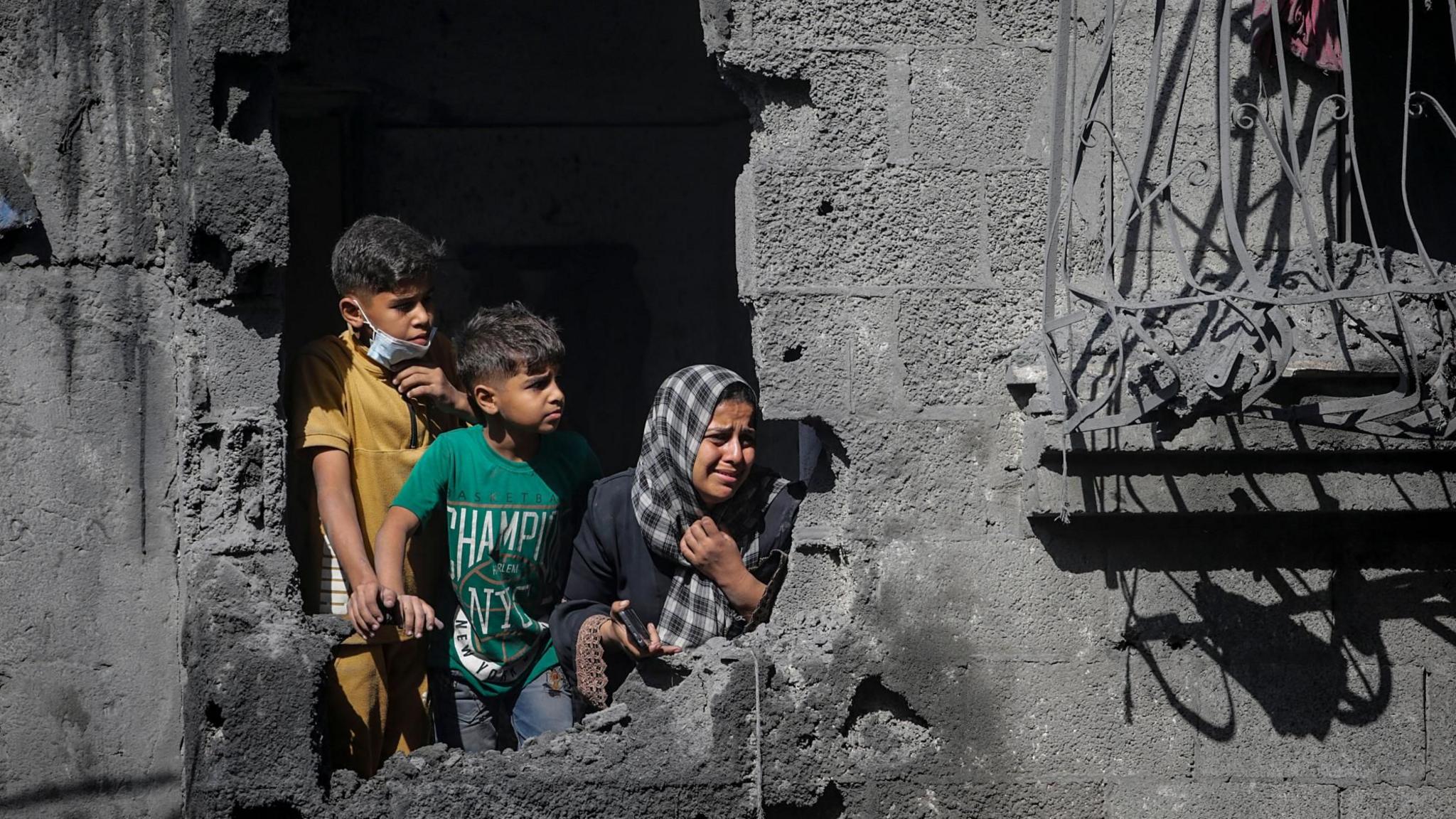
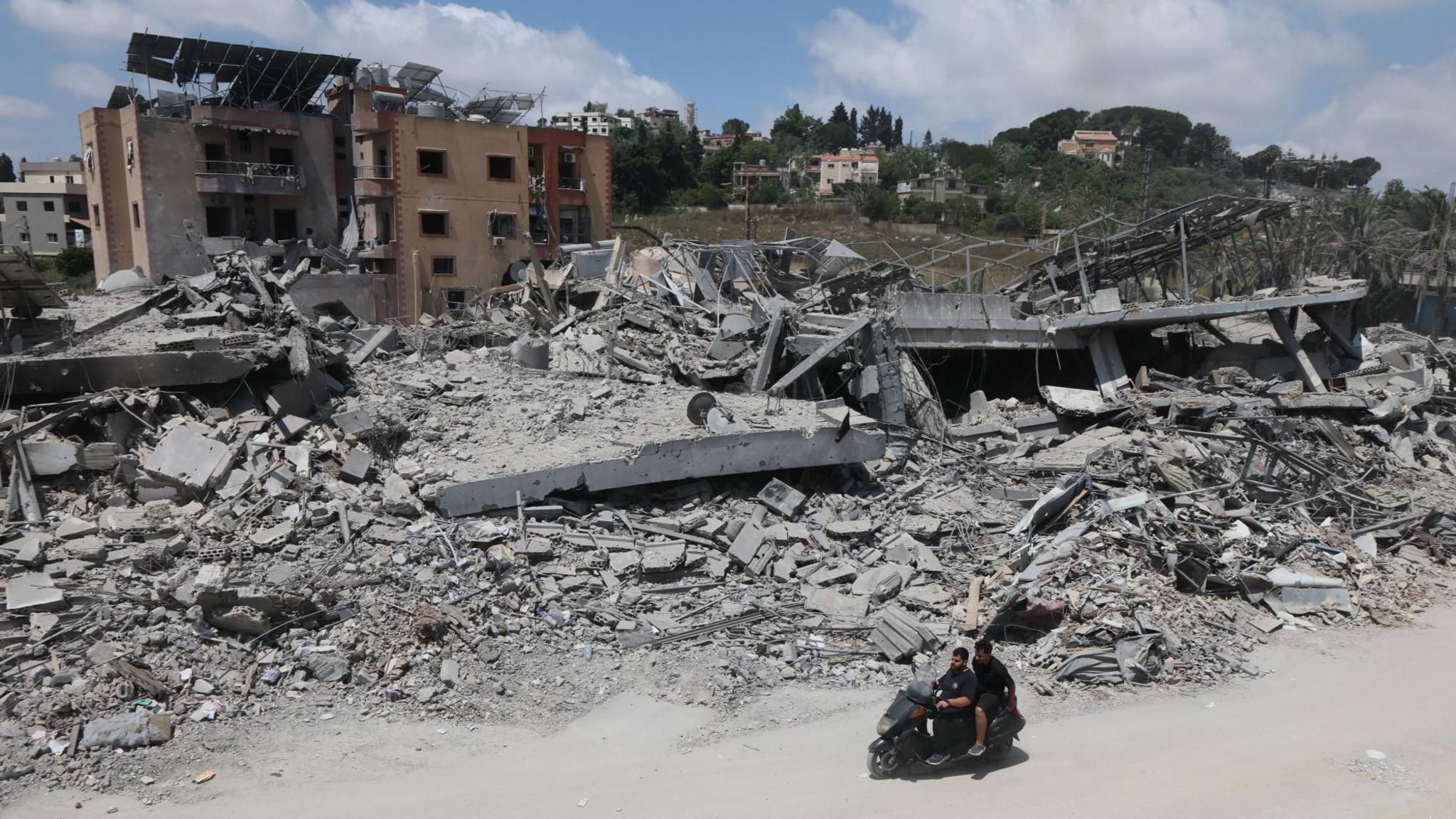
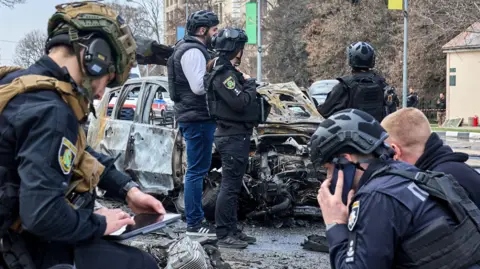
However, the severity of air raids continues unabated, with regions like Zhytomyr facing significant destruction and casualties with entire rows of residential homes obliterated.
The strikes have been particularly fierce in Kharkiv, where local authorities reported one of the largest attack days to date, and images of devastation flood the media.
Zelensky condemned the strikes which came right after his call for a temporary truce in light of the Easter holiday recognized by both nations. He stated on the platform X, 'The Russians have only intensified their strikes, turning what should have been silence in the skies into an Easter escalation.'
In an act of retaliation, Ukraine has launched its own targeted strikes on Russian facilities, including an industrial plant and energy infrastructure on Russian territory, resulting in damage and disruption.
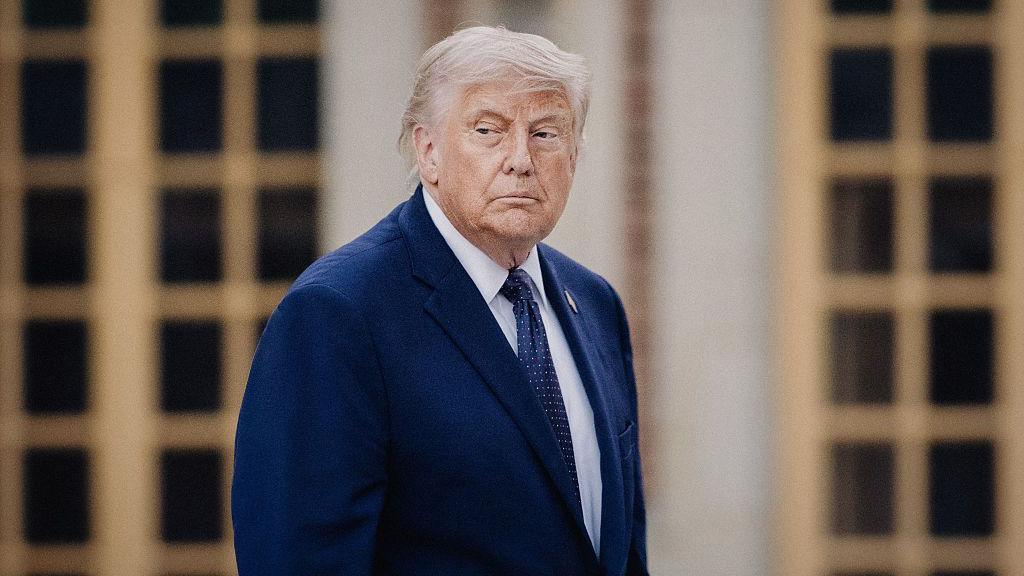
While Zelensky remains open to discussions regarding a holiday ceasefire, he has indicated that such communication has reached U.S. representatives, including Trump's envoys, about the ongoing need for peace talks amid rising tensions.
Nevertheless, the likelihood of a genuine negotiation appears dim, as doubts grow over Moscow's willingness to engage meaningfully, given the shifting geopolitical landscape that seemingly favors Russia.
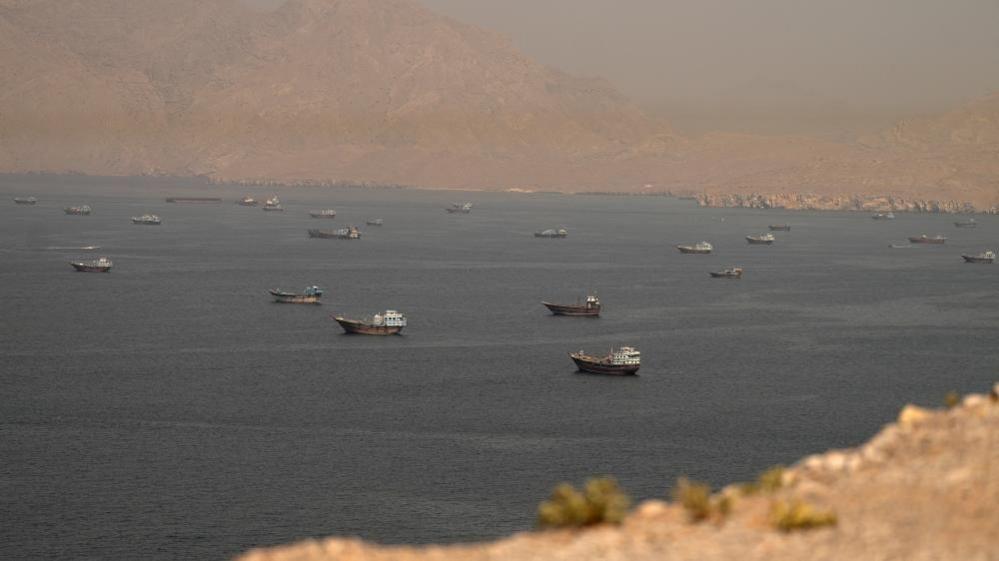
The ongoing conflict, compounded by a burgeoning war in the Middle East, raises concerns over the future logistics and supply of military resources for Ukraine. As fuel prices surge and availability diminishes, President Zelensky provided a stark warning about the implications for his frontline troops' readiness in the wake of increasing global tensions.
With the war’s toll continuing to escalate, the focus remains on stabilizing frontline defenses rather than pursuing significant territorial gains during this uncertainty.