In brief
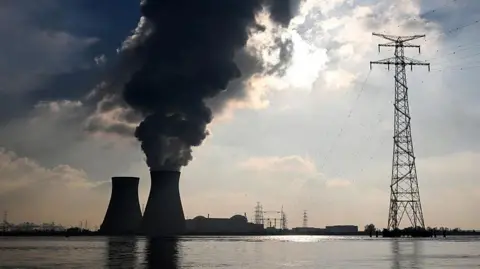
With escalating energy costs and geopolitical uncertainty surrounding fossil fuel supplies, Europe is reevaluating nuclear power as a potential cornerstone of its energy strategy. Despite past hesitations and safety concerns, countries like Belgium, Italy, and Sweden are now considering nuclear energy's role in achieving energy independence. European Commission President Ursula von der Leyen notes that Europe's past decisions on nuclear energy were a 'strategic mistake.' Yet, the long-term challenges of investing in nuclear infrastructure and public perceptions of safety remain formidable barriers.
With a pit in their stomach, families and industries across Europe are anxious as gas prices and the cost of filling vehicles with petrol spiral.
The UK government urges voters to remain calm, while the European Commission has advocated for remote work and reduced travel. As situations worsen, the spotlight has returned to the need for energy independence, placing nuclear energy back into discussions.
The European Nuclear Energy Summit in Paris saw President Ursula von der Leyen criticize Europe's prior exit from nuclear energy as a 'strategic mistake,' noting that nuclear's contribution to electricity production has dramatically declined from one-third in 1990 to about 15% today.
Due to dependencies on fossil fuel imports, European nations are increasingly vulnerable, exposed to geopolitical tensions and price fluctuations. France, with 65% of its energy sourced from nuclear, thrives while neighbors like Germany, struggling with rising electricity costs, reconsider their past phasing out of nuclear energy.
Governmental shifts reflect a renewed enthusiasm for nuclear power across Europe, as nations like Italy and Belgium pivot towards it after years of avoidance. Furthermore, innovative concepts such as small modular reactors (SMRs) promise more efficient, localized energy generation.
While enthusiasm grows, challenges remain: the necessity for substantial investment in aging reactors, public safety apprehensions, and competition from rapidly advancing renewable energy technologies cast doubt on whether nuclear can serve as the quick solution to Europe's pressing energy crisis.